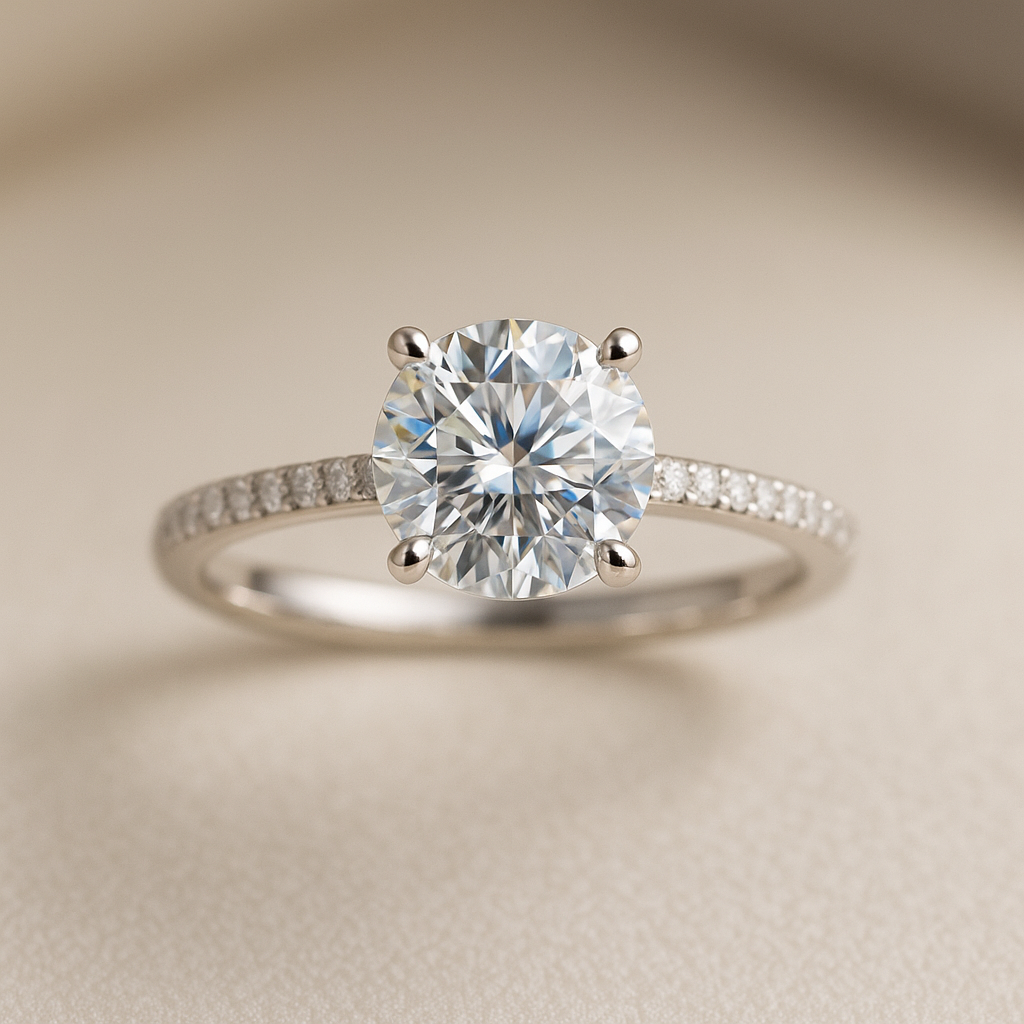

The Truth About Lab-Grown Diamonds
When it comes to engagement rings and fine jewelry, diamonds remain the most popular choice for couples looking to symbolize their love and commitment. But with the rise of lab-grown diamonds in recent years, many consumers find themselves asking: What exactly are lab-grown diamonds, and how do they compare to natural diamonds? In this comprehensive guide, we’ll explore the intricacies of lab-grown diamonds, their benefits, and why you might consider them for your next purchase.
Understanding Lab-Grown Diamonds
Lab-grown diamonds, also known as synthetic or cultured diamonds, are real diamonds that are created in controlled environments using advanced technological processes. Unlike natural diamonds, which are formed over billions of years deep within the Earth’s crust, lab-grown diamonds are produced within weeks or months in labs that mimic the natural diamond-growing process.
The Technology Behind Lab-Grown Diamonds
There are two primary methods for creating lab-grown diamonds: Chemical Vapor Deposition (CVD) and High Pressure High Temperature (HPHT). Both methods produce diamonds that are chemically, physically, and optically identical to their natural counterparts.
- CVD Process: This method involves using carbon-rich gases in a vacuum chamber to create diamonds layer by layer.
- HPHT Process: This method simulates the natural conditions under which diamonds form, using extreme heat and pressure.
Benefits of Choosing Lab-Grown Diamonds
More consumers are choosing lab-grown diamonds for various reasons, including:
- Affordability: Lab-grown diamonds can cost 20-40% less than natural diamonds, allowing buyers to maximize their budget.
- Ethical Considerations: Lab-grown diamonds are free from the ethical concerns associated with conflict diamonds, ensuring your purchase supports responsible sourcing.
- Environmental Impact: The production of lab-grown diamonds typically has a lower environmental impact compared to traditional diamond mining.
- Quality and Variety: Lab-grown diamonds can be created with specific characteristics, such as color and clarity, giving buyers a wide array of options.
Lab-Grown Diamonds vs. Natural Diamonds: Key Comparisons
When comparing lab-grown and natural diamonds, it’s important to understand the factors that matter most to consumers:
1. Appearance and Quality
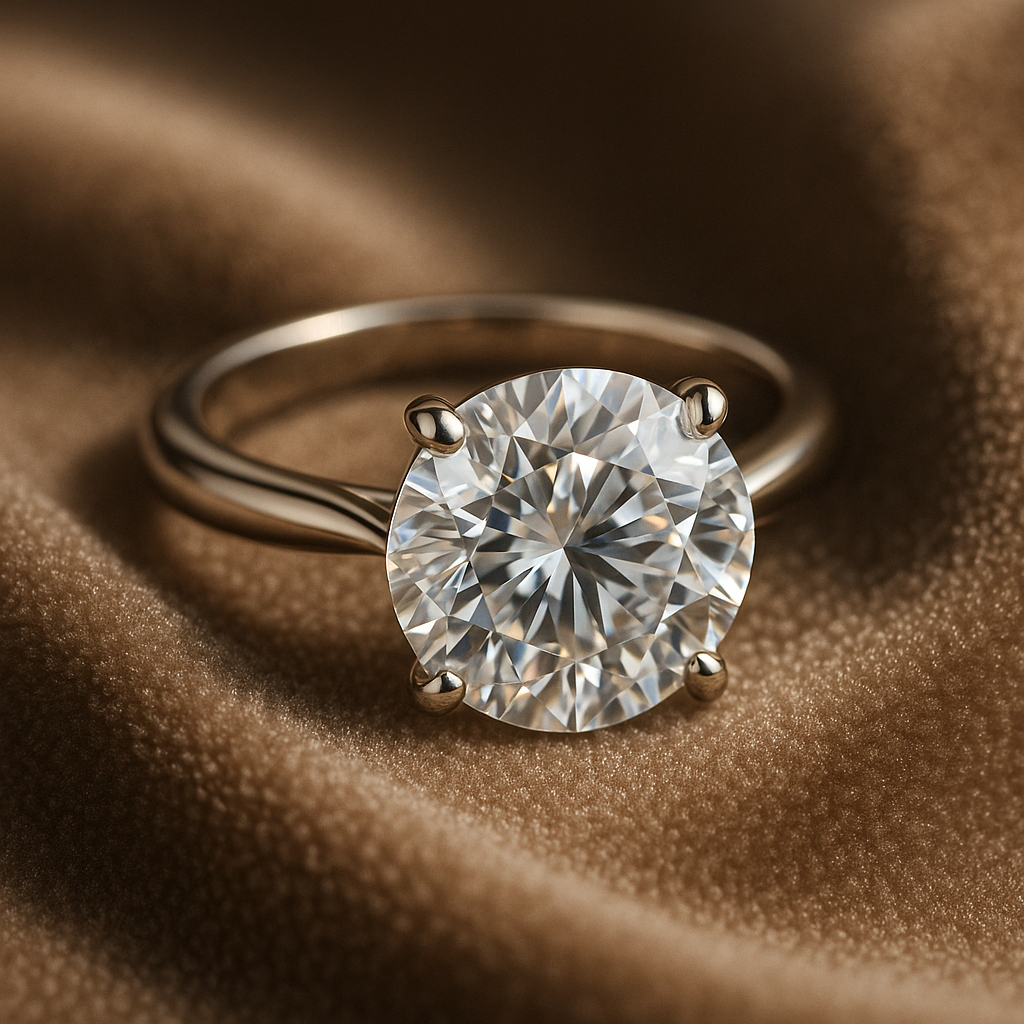
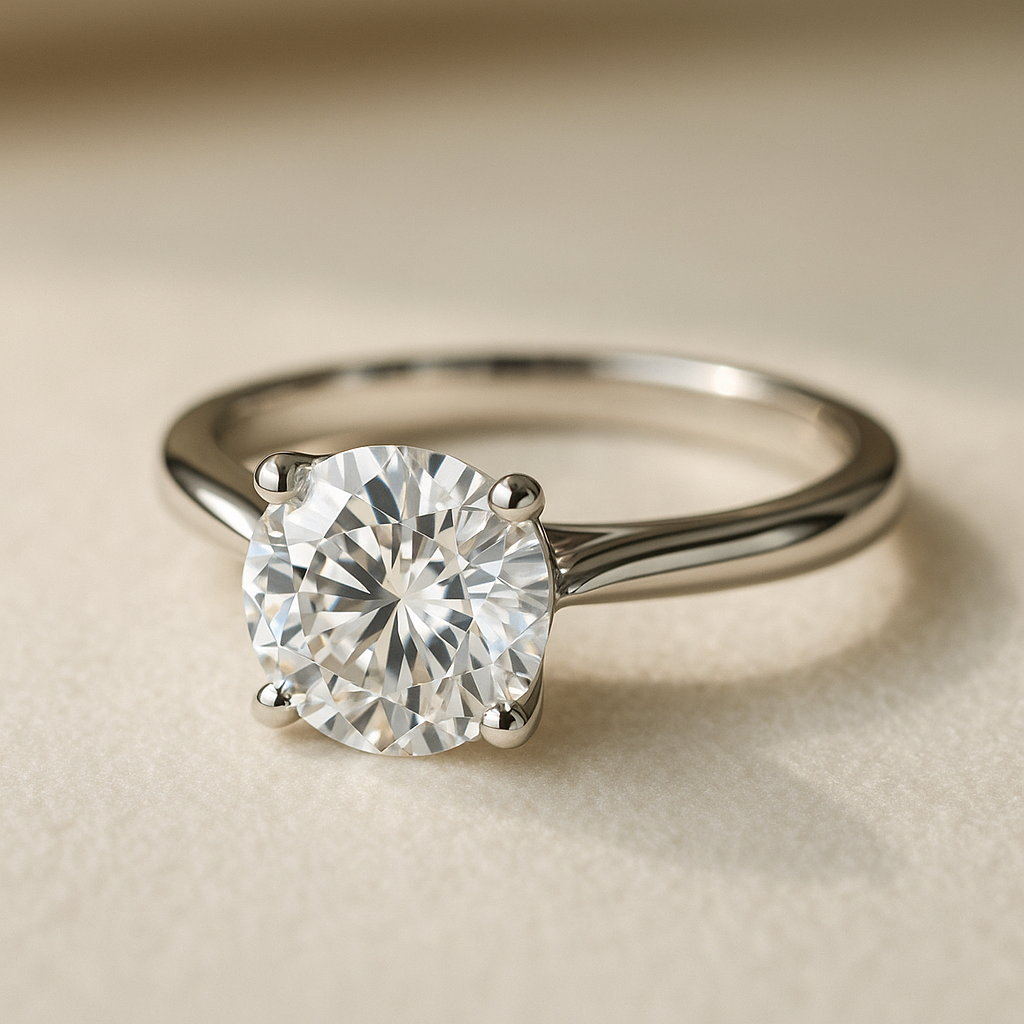
Lab-grown diamonds are virtually indistinguishable from natural diamonds to the naked eye. Both types are graded on the same scale (the 4 Cs: Cut, Color, Clarity, and Carat weight) by certified gemologists.
2. Value Retention
Natural diamonds tend to retain their value better over time than lab-grown diamonds, as they are rarer and have a long-standing reputation. However, lab-grown diamonds have been gaining acceptance and their resale value is slowly improving.
3. Certification
Both diamonds can be certified by reputable gemological laboratories. It’s crucial to check for certifications from institutions like the Gemological Institute of America (GIA) or the International Gemological Institute (IGI) when purchasing a diamond.
Frequently Asked Questions (FAQs)
Are lab-grown diamonds cheaper than natural diamonds?
Yes, lab-grown diamonds are typically 20-40% less expensive than natural diamonds, making them an attractive option for budget-conscious shoppers.
How can I tell if a diamond is lab-grown or natural?
While lab-grown diamonds are visually identical to natural ones, they can be identified through advanced testing techniques and specific inclusions that are unique to the lab-grown process.
Do lab-grown diamonds have the same resale value as natural diamonds?
Generally, lab-grown diamonds do not retain value as well as natural diamonds. However, their acceptance in the market is growing, potentially improving their resale value in the future.
Are lab-grown diamonds eco-friendly?
Lab-grown diamonds typically have a smaller environmental footprint than mined diamonds, as their production requires less land disturbance and resource extraction.
Making the Right Choice for You
Ultimately, the decision between lab-grown and natural diamonds comes down to personal preference, values, and budget. Consider what aspects matter most to you: ethical sourcing, budget constraints, or long-term investment potential. Regardless of your choice, both types of diamonds can beautifully represent your commitment and love.
Conclusion
Lab-grown diamonds offer an exciting alternative to natural diamonds, combining beauty, affordability, and ethical considerations. As you navigate your options for engagement rings and fine jewelry, understanding the differences between lab-grown and natural diamonds will empower you to make an informed choice that aligns with your values and budget. At Celebrity Diamonds, we are committed to providing exquisite options, ensuring that your choice in diamonds is both meaningful and memorable.