
The Rise of Lab-Grown Diamonds: What You Need to Know
In recent years, lab-grown diamonds have emerged as a compelling choice for consumers seeking ethical, affordable, and stunning options for engagement rings and fine jewelry. As more people become educated about these sparkling gems, it’s essential to understand what they are, their benefits, and how they compare to natural diamonds.
What Are Lab-Grown Diamonds?
Lab-grown diamonds, also known as synthetic, cultured, or man-made diamonds, are real diamonds created in controlled environments using advanced technological processes. These diamonds possess the same physical, chemical, and optical properties as natural diamonds. The primary methods for creating lab-grown diamonds are High-Pressure High-Temperature (HPHT) and Chemical Vapor Deposition (CVD).
Benefits of Lab-Grown Diamonds
1. Ethical Sourcing
One of the most significant advantages of lab-grown diamonds is their ethical sourcing. Unlike natural diamonds, often associated with conflict and unethical mining practices, lab-grown diamonds are created in controlled environments that ensure no human rights violations or environmental degradation.
2. Affordability
Lab-grown diamonds typically cost 20-40% less than their natural counterparts, making them an attractive option for budget-conscious consumers. This price difference allows buyers to purchase larger or higher-quality stones without stretching their finances.
3. Quality and Variety
Lab-grown diamonds are available in a broad range of shapes, sizes, and qualities. With advancements in technology, it is now possible to create diamonds that are virtually flawless and exhibit excellent color and clarity. This variety ensures consumers can find the perfect stone that meets their unique preferences.
4. Environmental Impact
The environmental impact of lab-grown diamonds is significantly lower than that of mined diamonds. Mining operations can lead to habitat destruction, soil erosion, and water pollution. In contrast, lab-grown diamonds require fewer resources and energy, making them a more sustainable choice for environmentally-conscious consumers.
Comparing Lab-Grown Diamonds to Natural Diamonds
1. Composition
Both lab-grown and natural diamonds are composed of carbon atoms arranged in a crystal structure. The differences lie in their origins; natural diamonds are formed over billions of years through geological processes, while lab-grown diamonds are cultivated in a matter of weeks to months in a lab setting.
2. Certification
Just like natural diamonds, lab-grown diamonds are graded and certified by reputable gemological laboratories. Certificates from organizations like the Gemological Institute of America (GIA) or the International Gemological Institute (IGI) provide essential details about the diamond’s quality, including the 4Cs: cut, color, clarity, and carat weight.
3. Resale Value
One common concern among consumers is the resale value of lab-grown diamonds. Generally, natural diamonds hold their value better than lab-grown diamonds, which can depreciate more significantly. However, as consumer acceptance of lab-grown diamonds increases, this discrepancy may continue to evolve.
FAQs About Lab-Grown Diamonds
Are lab-grown diamonds real diamonds?
Yes, lab-grown diamonds are real diamonds with the same chemical and physical properties as natural diamonds. They are certified and graded in the same way as natural stones.
How do I know if a diamond is lab-grown?
Lab-grown diamonds typically come with a certificate indicating their origin. Additionally, they may have laser inscriptions on the girdle that denote their lab-grown status.
Can lab-grown diamonds be used for engagement rings?
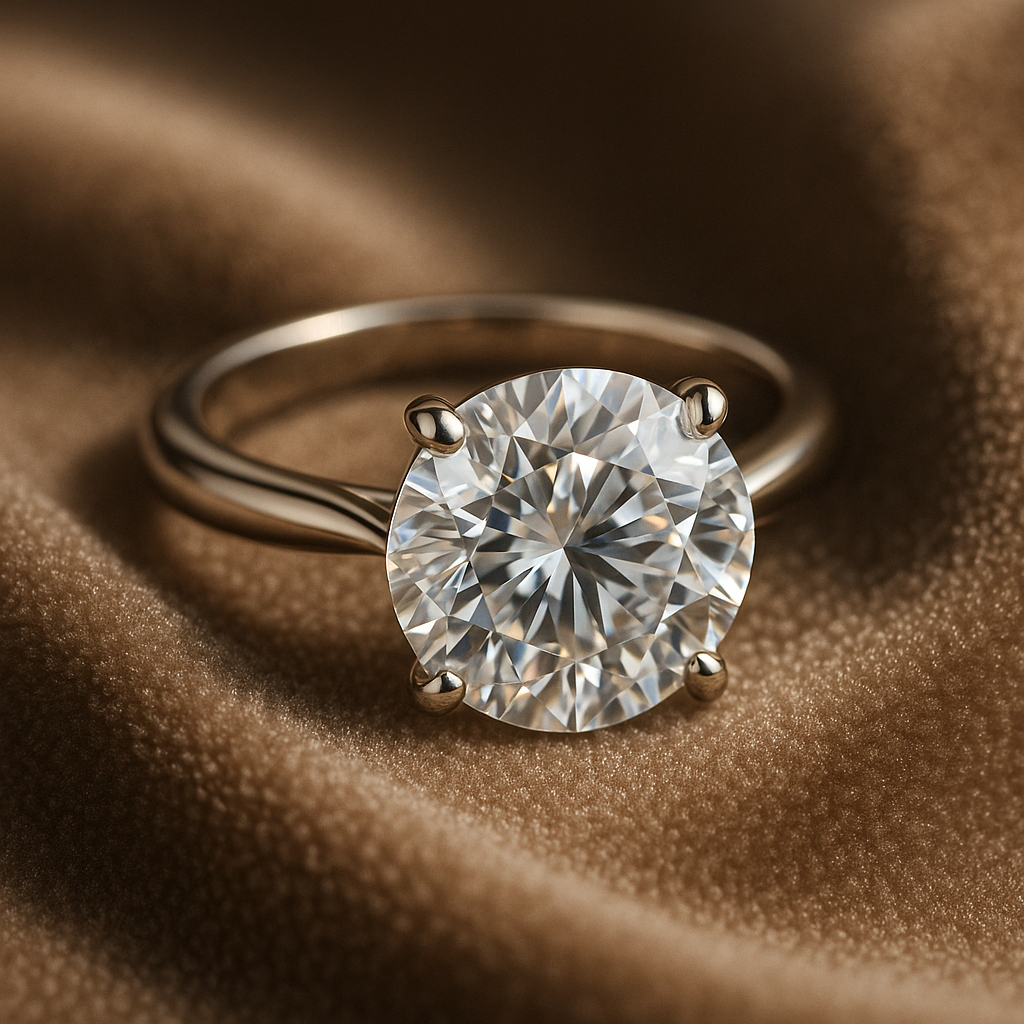
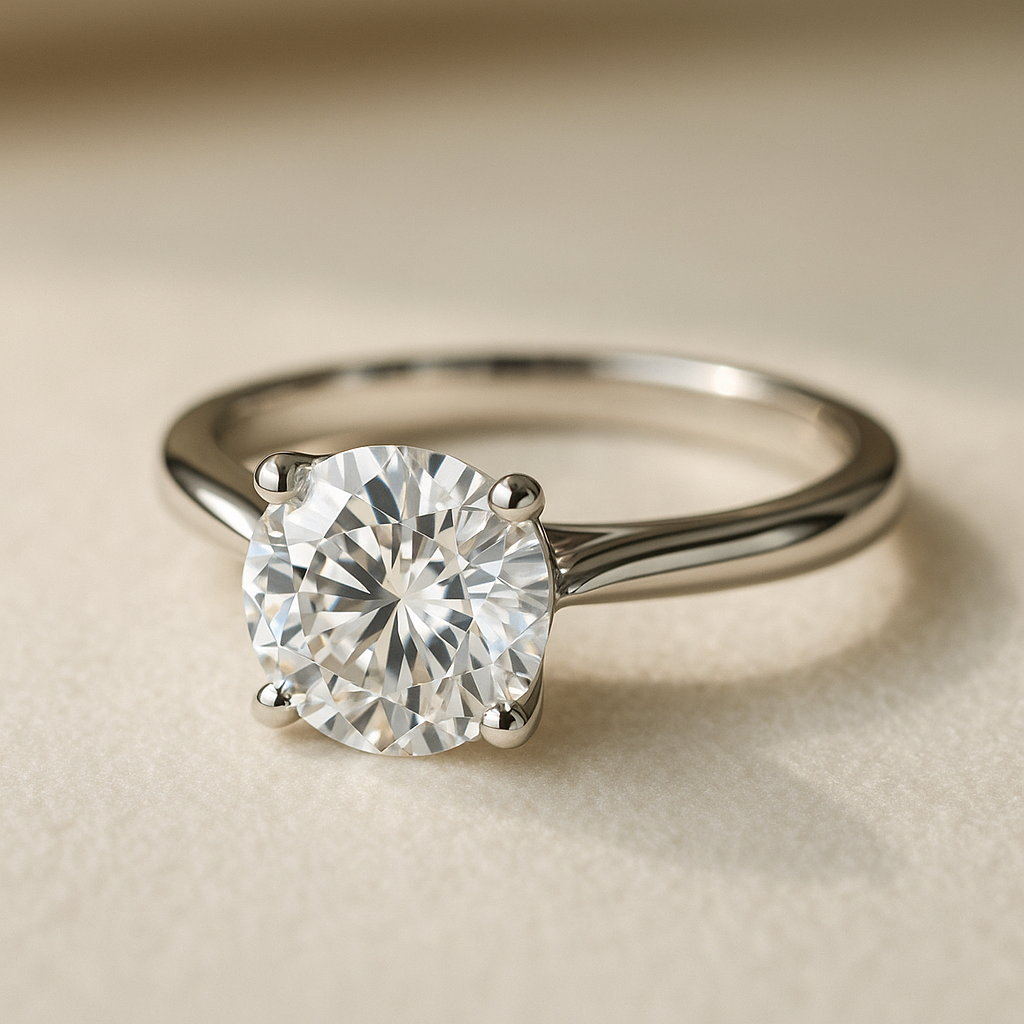
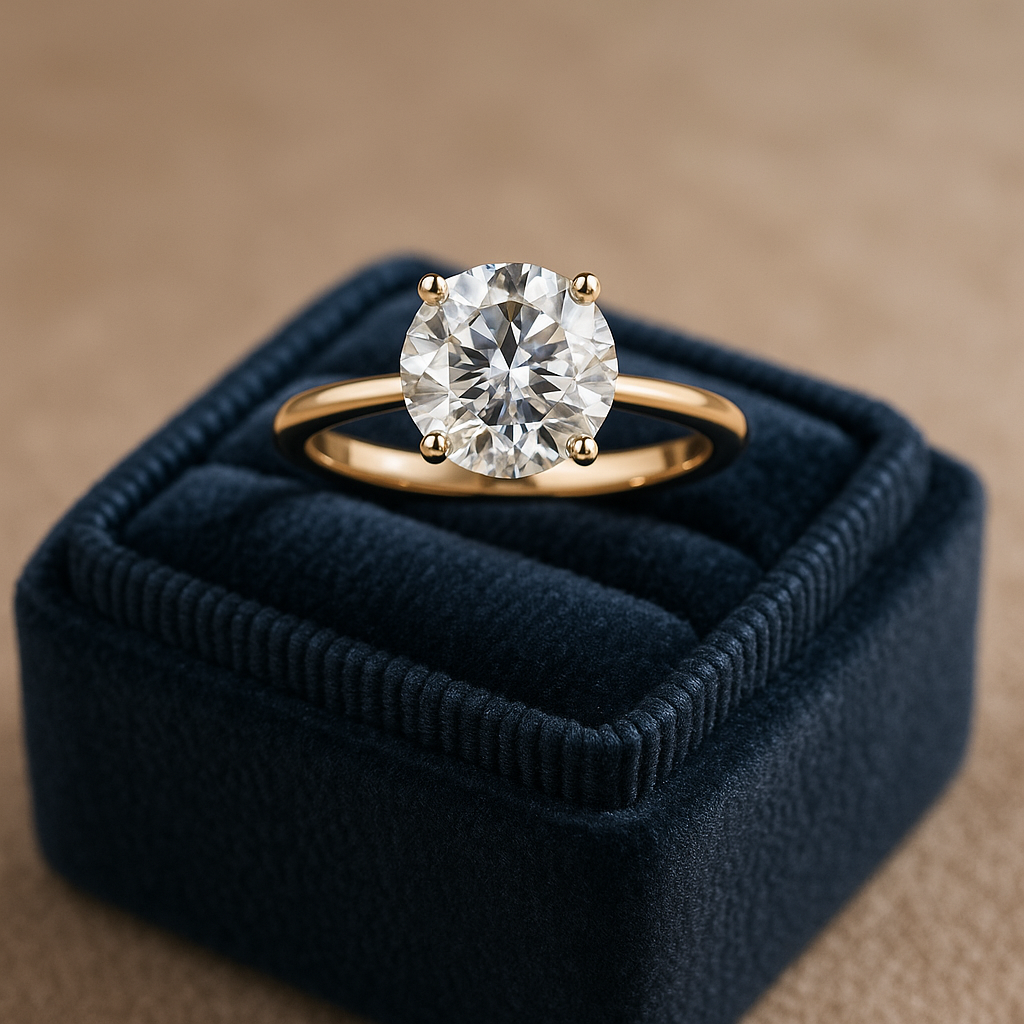
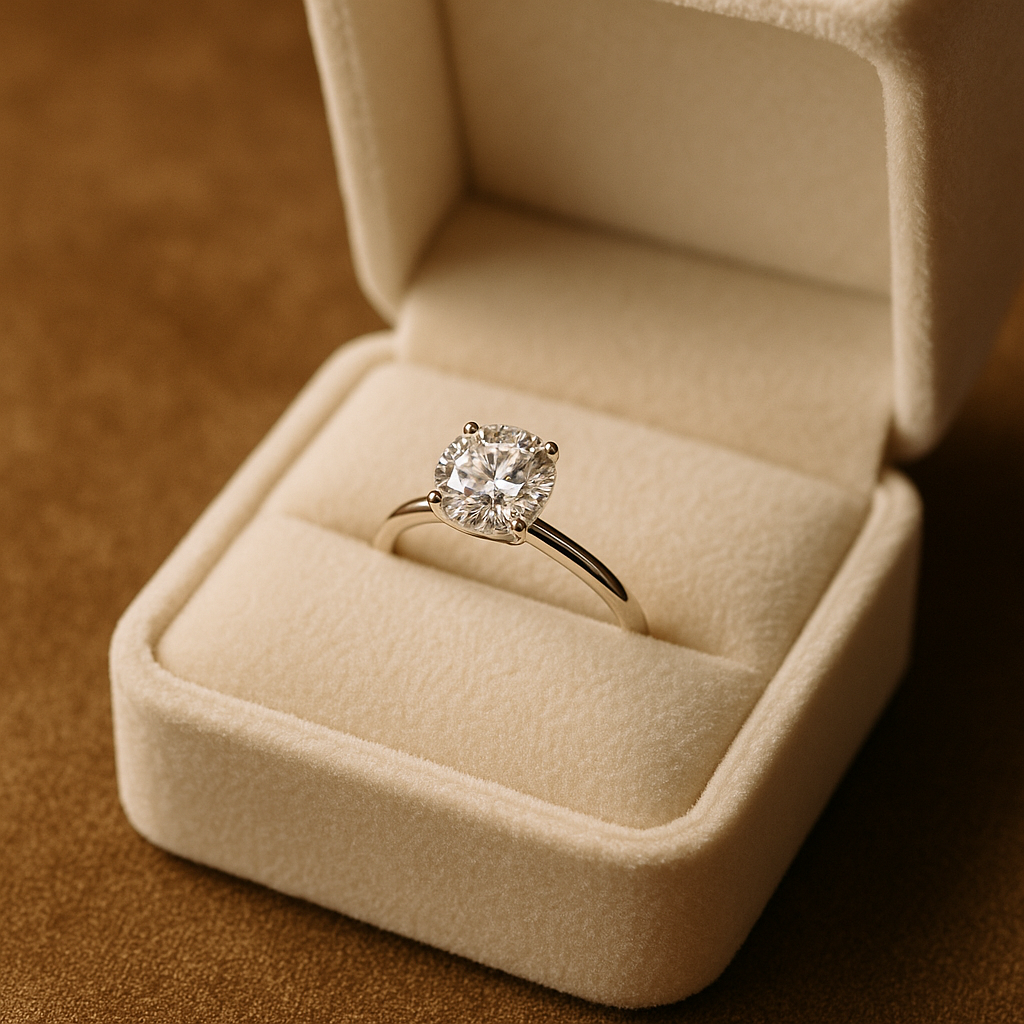
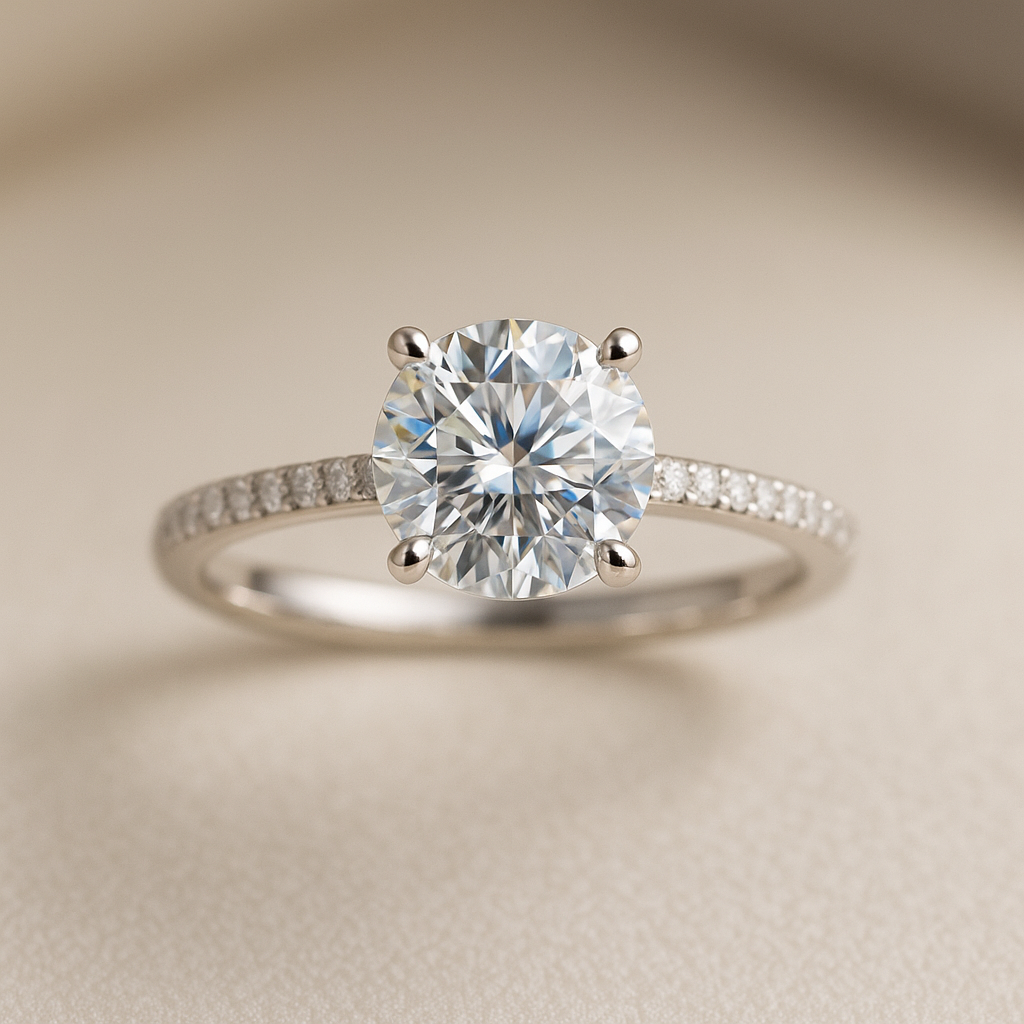
Absolutely! Lab-grown diamonds make beautiful engagement rings and are increasingly popular among couples seeking ethical and budget-friendly options.
What is the price difference between lab-grown and natural diamonds?
Lab-grown diamonds generally cost 20-40% less than natural diamonds, making them a more affordable option for many consumers.
Conclusion
Lab-grown diamonds are shaping the future of the diamond industry, offering an ethical, affordable, and environmentally-friendly alternative to natural diamonds. As consumers become more informed about their options, the demand for lab-grown diamonds is likely to continue rising. Whether you’re shopping for an engagement ring or a piece of fine jewelry, consider the benefits of choosing a lab-grown diamond for your purchase.