
The Comprehensive Guide to Lab-Grown Diamonds
In recent years, the diamond industry has witnessed a significant shift with the rise of lab-grown diamonds. As consumers become more informed and conscientious, understanding the differences between lab-grown and natural diamonds has become essential for those seeking engagement rings and fine jewelry. This guide aims to provide you with the knowledge needed to make an informed choice.
What are Lab-Grown Diamonds?
Lab-grown diamonds, also known as synthetic or cultured diamonds, are gemstones that possess the same physical, chemical, and optical properties as natural diamonds. They are created in controlled environments using advanced technological processes that replicate the natural diamond formation process, which can take millions of years under high pressure and temperature conditions within the Earth.
How Are Lab-Grown Diamonds Made?
There are two main methods used to create lab-grown diamonds: High Pressure High Temperature (HPHT) and Chemical Vapor Deposition (CVD).
- High Pressure High Temperature (HPHT): This method simulates the natural processes that create diamonds. A carbon source is subjected to extreme pressure and temperature, resulting in diamond formation.
- Chemical Vapor Deposition (CVD): This technique involves placing a diamond seed in a chamber filled with carbon-rich gas. The gas is heated, causing the carbon to deposit onto the seed and form a diamond over time.
Benefits of Choosing Lab-Grown Diamonds
1. Ethical Considerations
One of the most compelling reasons to choose lab-grown diamonds is their ethical sourcing. Unlike natural diamonds, which can sometimes be associated with environmental degradation and unethical labor practices, lab-grown diamonds are produced in controlled environments, ensuring fair labor practices and minimal environmental impact.
2. Cost-Effective
Lab-grown diamonds are typically 20-40% less expensive than their natural counterparts. This price difference allows consumers to purchase larger or higher-quality stones without stretching their budgets.
3. Quality and Purity
Lab-grown diamonds are often of higher quality than natural diamonds, as they can be created with fewer impurities. In many cases, they receive higher clarity ratings compared to natural stones, making them an appealing choice for discerning buyers.
4. Customization Options
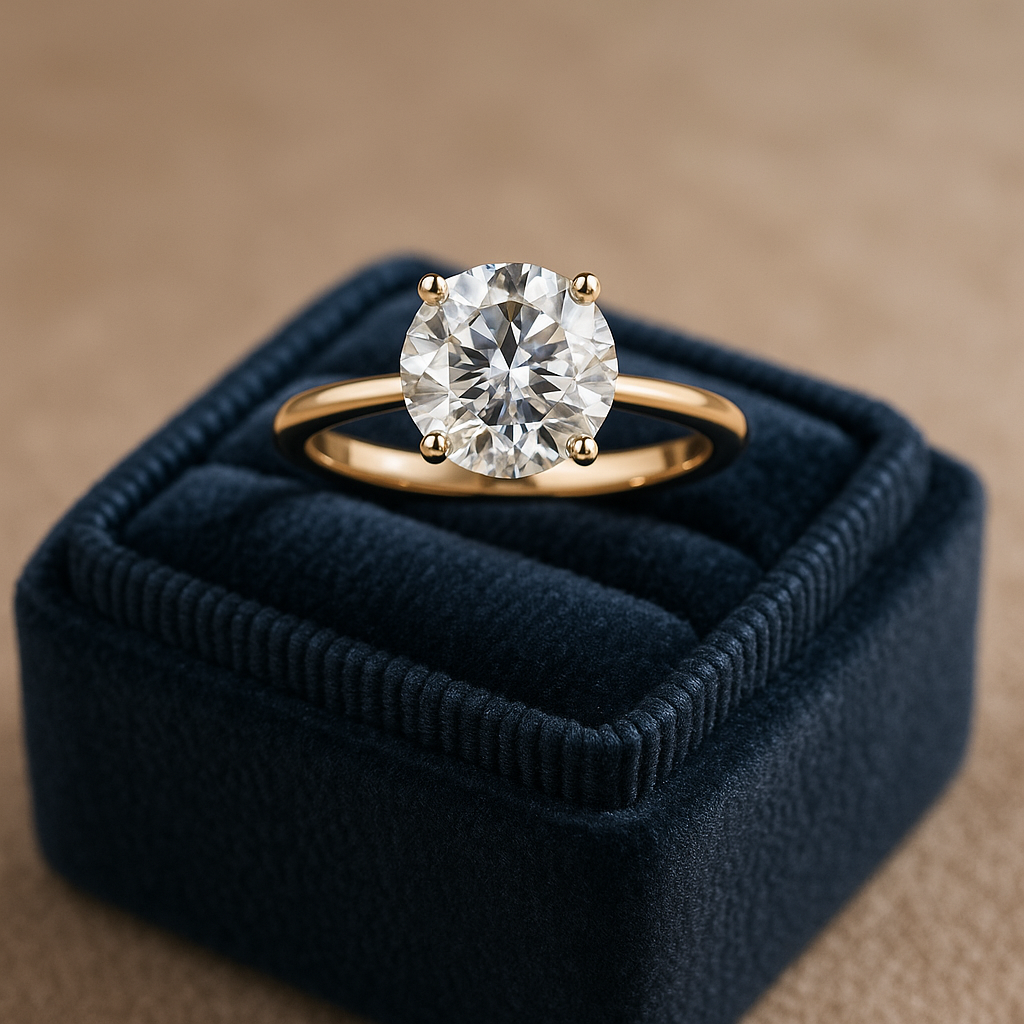
Consumers often have more options when it comes to customizing lab-grown diamonds. Jewelers can offer unique cuts and settings tailored to individual preferences, enhancing the overall personal experience.
Lab-Grown vs. Natural Diamonds: Key Differences
1. Formation Process
The most apparent difference lies in their formation. Natural diamonds are formed over millions of years beneath the Earth’s surface, while lab-grown diamonds can be created in a matter of weeks.
2. Value Retention
Natural diamonds tend to hold their value better over time due to their rarity and the romantic perception of their natural origins. Lab-grown diamonds, while gaining acceptance, may not retain value as effectively, making them more suitable for consumers primarily interested in aesthetics rather than investment.
3. Resale Market
The resale market for natural diamonds remains more robust. Lab-grown diamonds are still relatively new, and the resale market is developing. Consumers should consider this if they plan on reselling their diamonds in the future.
FAQs About Lab-Grown Diamonds
Are lab-grown diamonds real?
Yes, lab-grown diamonds are real diamonds. They share the same physical and chemical properties as natural diamonds, making them indistinguishable to the naked eye.
How can I tell if a diamond is lab-grown or natural?
While lab-grown diamonds are chemically identical to natural diamonds, gemological laboratories can determine their origin through advanced testing. If you’re concerned about authenticity, always ask for a grading report from a reputable lab.
Do lab-grown diamonds look different from natural diamonds?
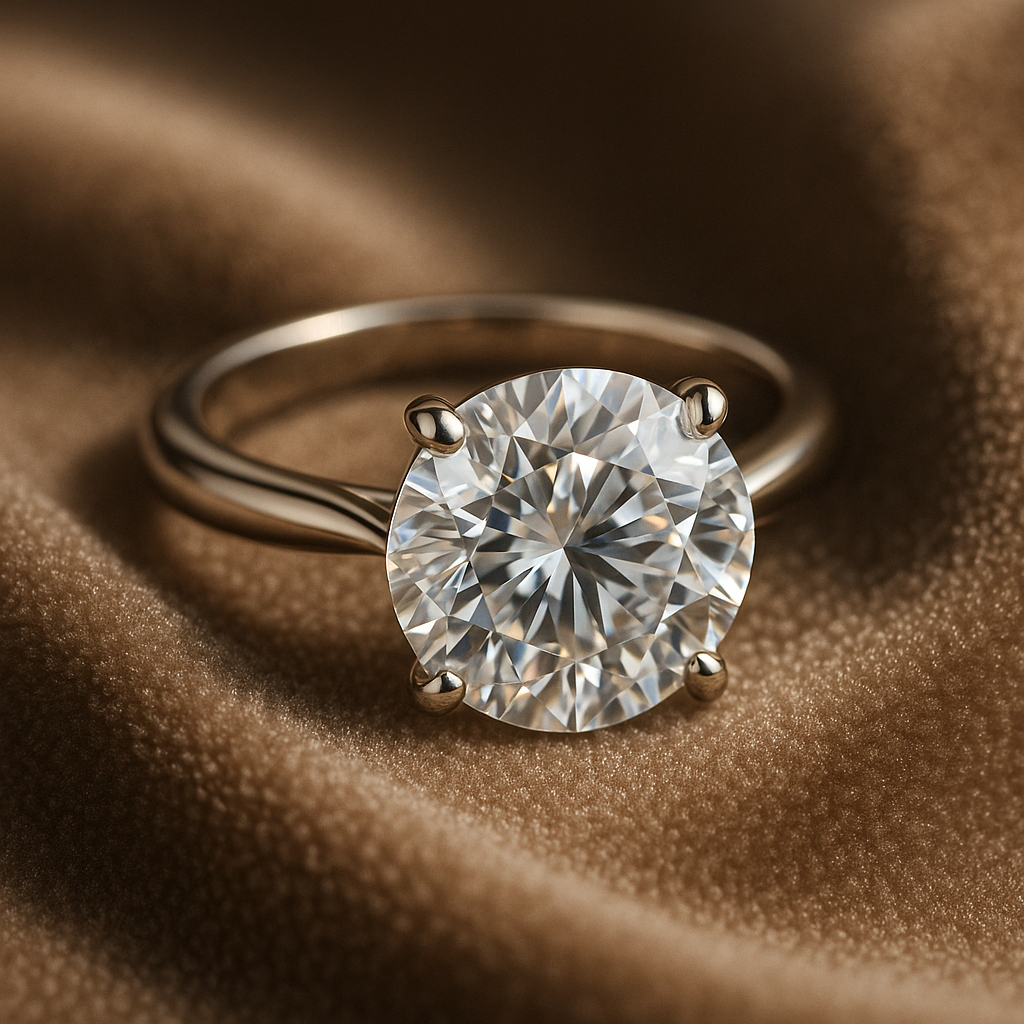
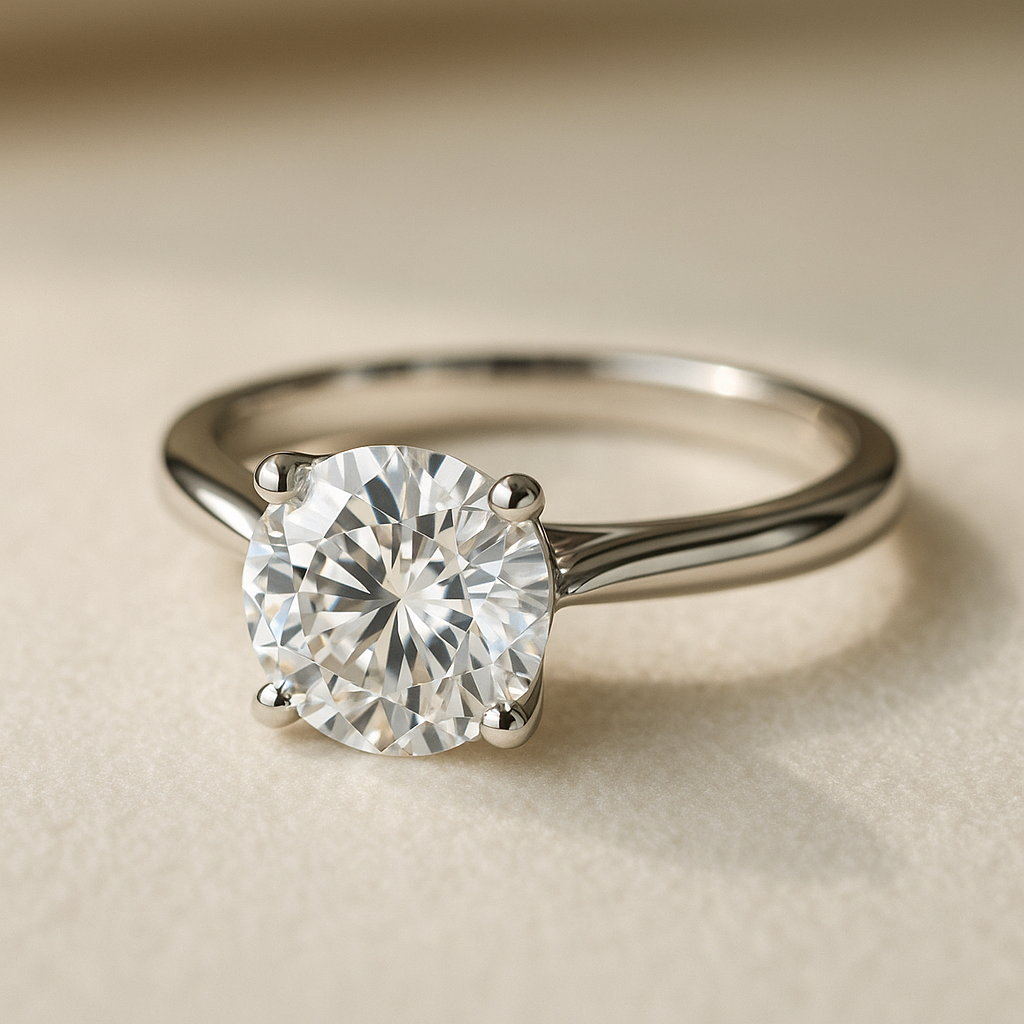
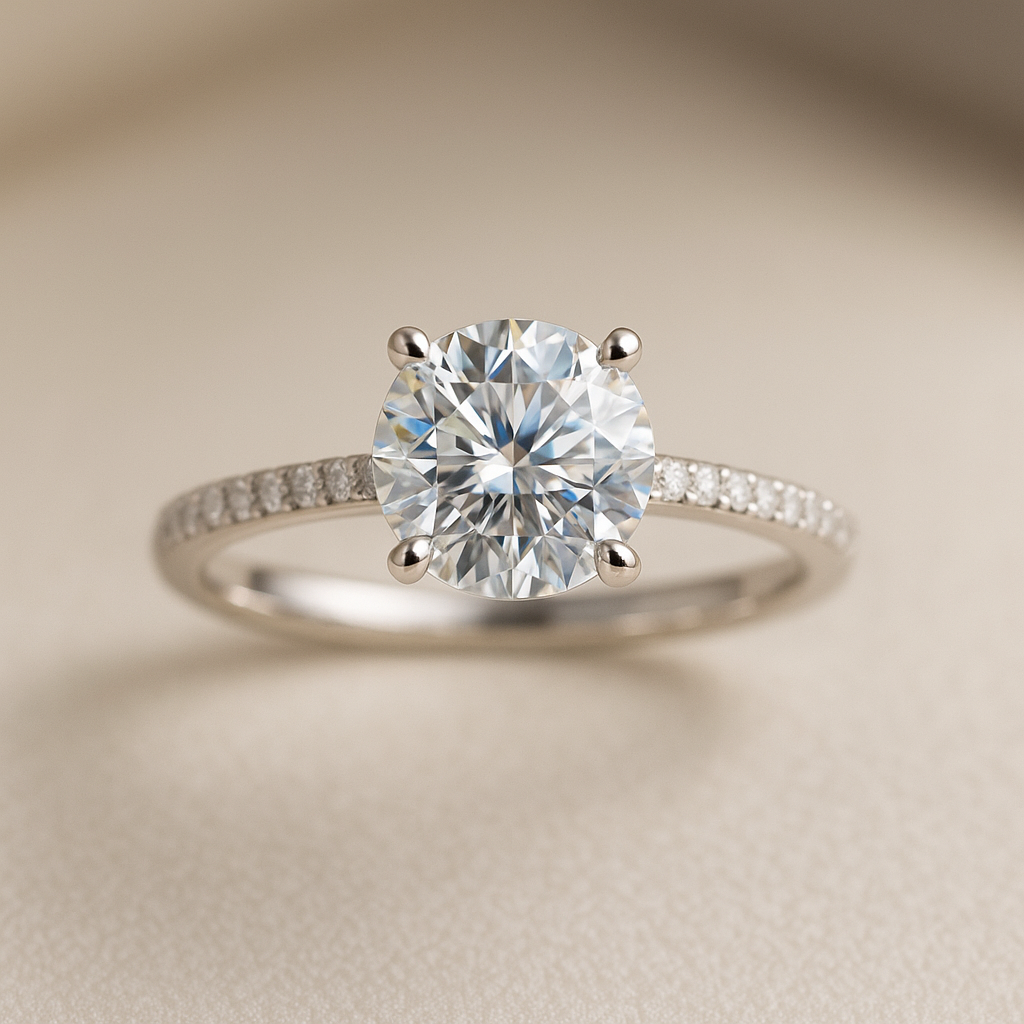
Not at all. Lab-grown diamonds can be cut and polished to match the brilliance and sparkle of natural diamonds. In fact, they often surpass natural stones in quality.
Are lab-grown diamonds environmentally friendly?
Yes, lab-grown diamonds tend to have a smaller environmental footprint compared to natural diamonds. They require less land disruption and typically use cleaner production methods.
Can I get a lab-grown diamond in any shape or size?
Yes! Lab-grown diamonds can be produced in various shapes and sizes, providing you with a wide range of options to suit your personal style.
Conclusion
When shopping for engagement rings and fine jewelry, understanding the differences between lab-grown and natural diamonds is crucial. Lab-grown diamonds offer ethical sourcing, affordability, and customizable options without compromising on quality. As consumers become increasingly conscious of their purchasing decisions, lab-grown diamonds present a compelling choice. Ultimately, your decision will depend on your values, preferences, and budget.
At Celebrity Diamonds, we encourage you to explore both options and choose the diamond that best reflects your personal story. Whether you opt for a stunning lab-grown diamond or a traditional natural diamond, our collection is curated to help you find the perfect piece of jewelry for your special moments.