Understanding Lab-Grown Diamonds: A Smart Choice for Engagement Rings
When it comes to selecting the perfect engagement ring, couples are facing a pivotal decision: choosing between lab-grown diamonds and their natural counterparts. Both types of diamonds offer unique advantages, but lab-grown diamonds are quickly gaining popularity for several compelling reasons. This article will explore what lab-grown diamonds are, their benefits, and why they may be the ideal choice for your special moment.
What Are Lab-Grown Diamonds?
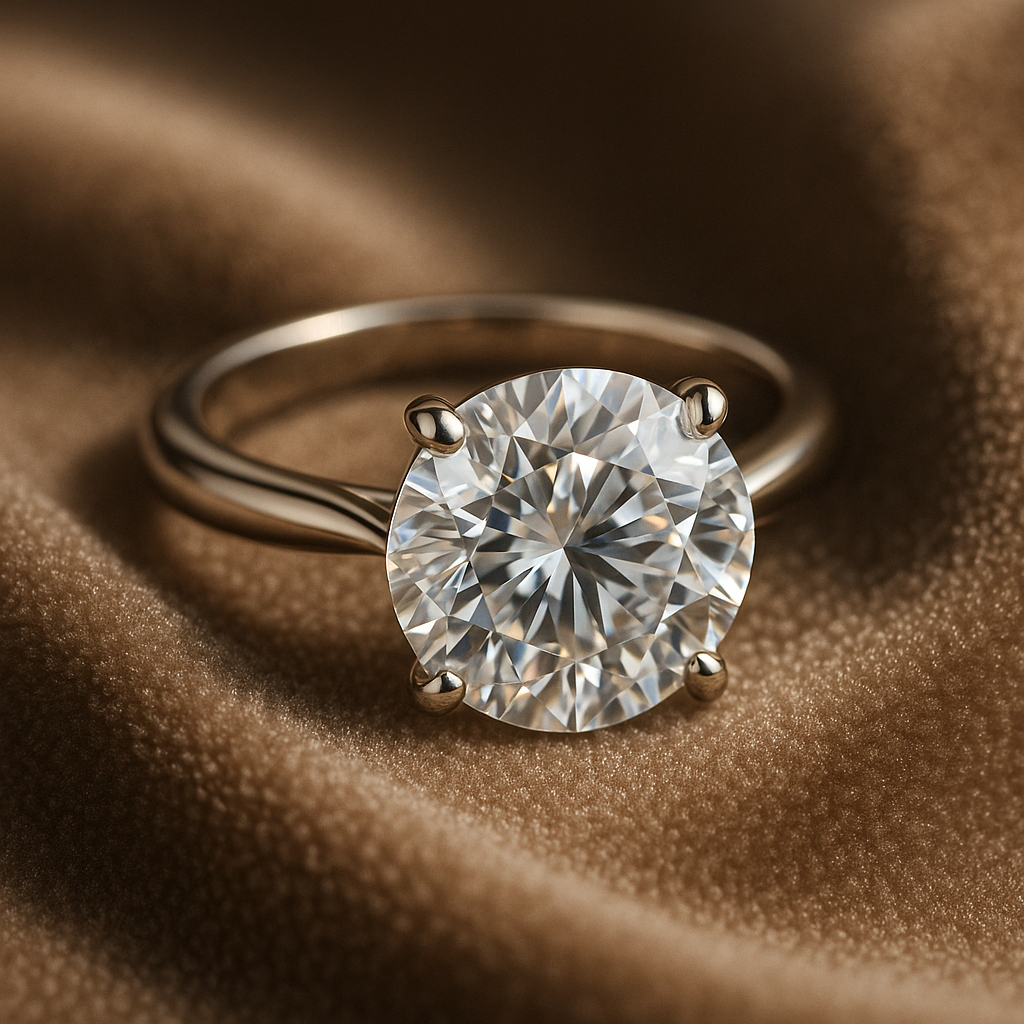
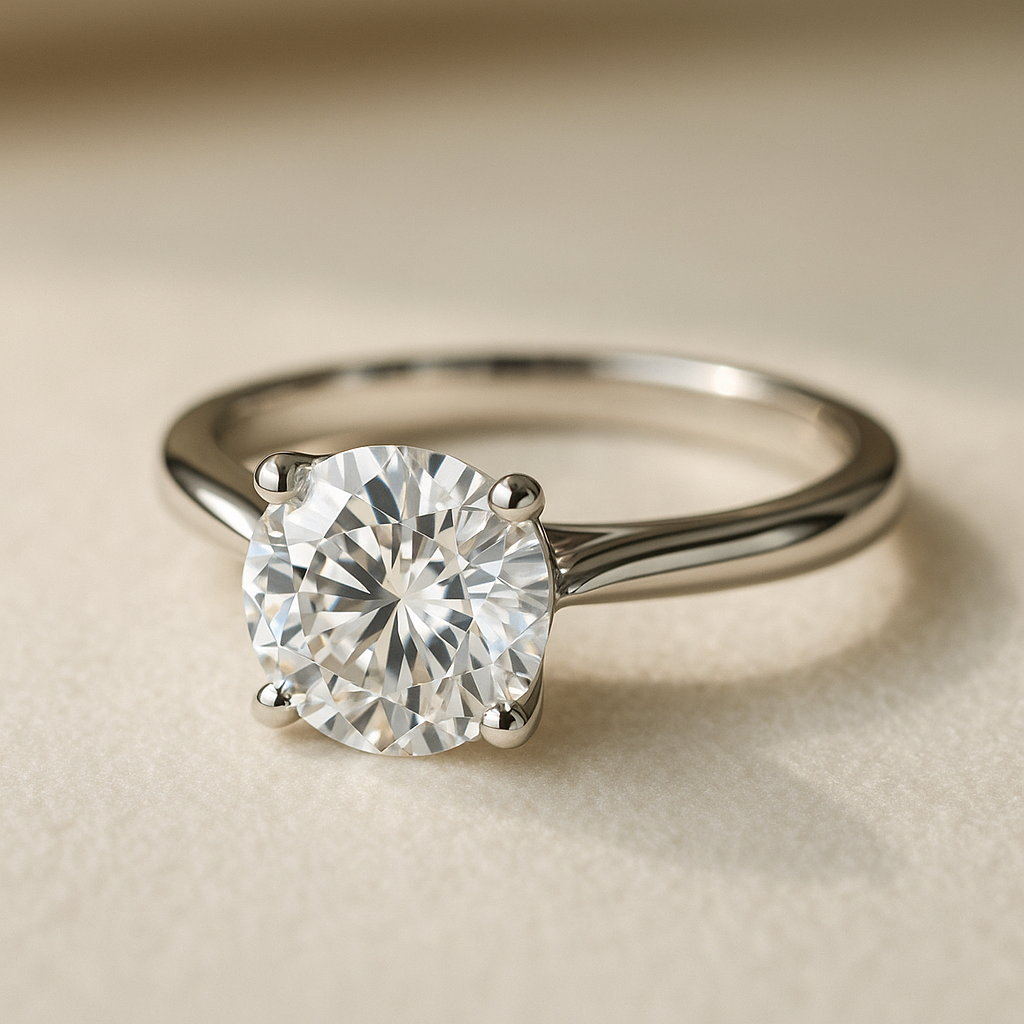
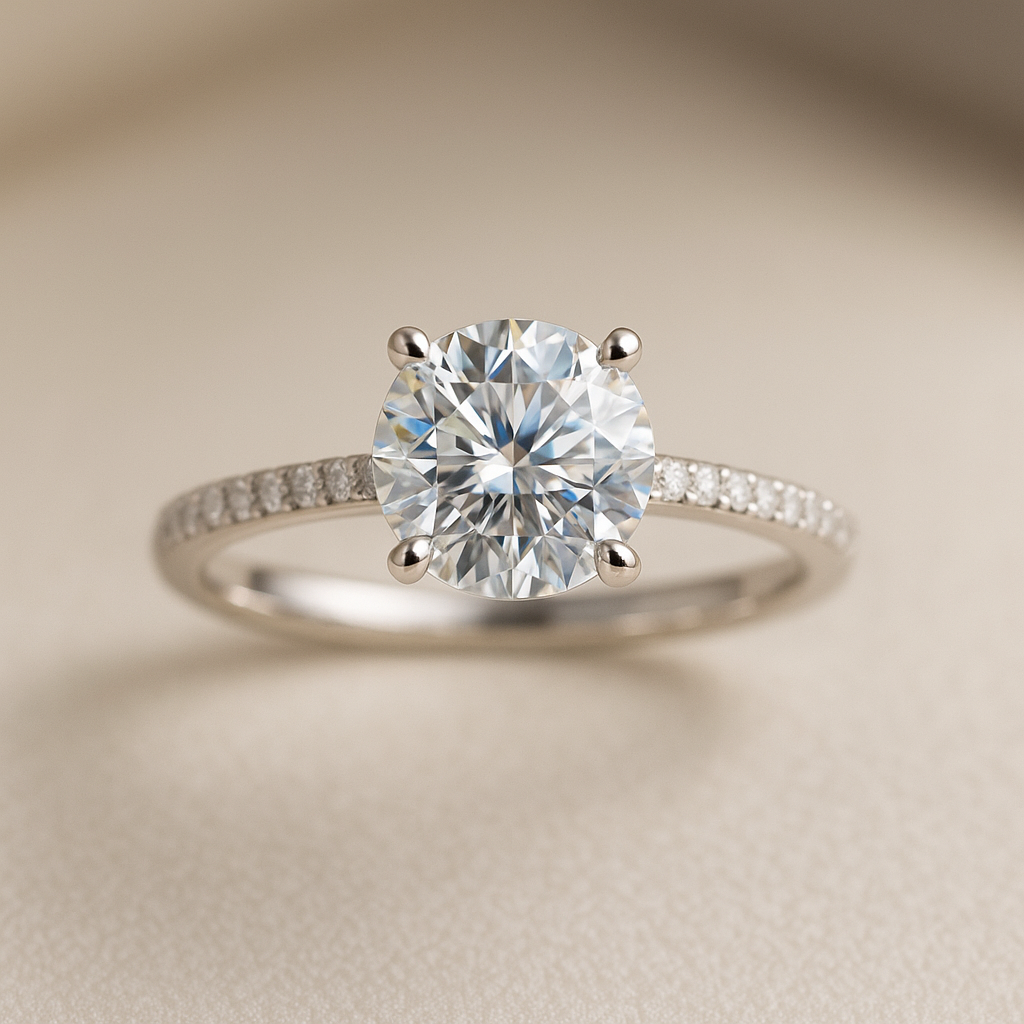
Lab-grown diamonds, often referred to as synthetic or cultured diamonds, are real diamonds that are created in controlled laboratory environments. They possess the same physical and chemical properties as natural diamonds, making them visually indistinguishable from their mined counterparts. The processes used to create lab-grown diamonds—primarily High-Pressure High-Temperature (HPHT) and Chemical Vapor Deposition (CVD)—mimic the natural diamond formation that occurs deep within the Earth.
Benefits of Lab-Grown Diamonds
Choosing a lab-grown diamond offers several advantages, especially for couples considering their engagement ring options. Here are a few key benefits:
1. Ethical Sourcing
One of the primary motivations for many consumers is the ethical implications of diamond sourcing. Lab-grown diamonds are created in a controlled environment, eliminating concerns about mining practices, conflict diamonds, and environmental damage. This makes them an attractive choice for ethically-conscious shoppers.
2. Cost-Effectiveness
Lab-grown diamonds typically cost 20-40% less than natural diamonds of comparable size and quality. This price advantage allows couples to either save money or invest in a larger stone, higher quality, or additional pieces of jewelry.
3. Variety and Customization
With lab-grown diamonds, consumers often have access to a wider variety of sizes, shapes, and qualities. This flexibility allows for a greater level of customization, giving couples the opportunity to design a ring that perfectly reflects their personal style and preferences.
4. Environmental Impact
Mining natural diamonds can have significant environmental repercussions, including habitat destruction and pollution. Lab-grown diamonds, on the other hand, have a much smaller environmental footprint. They use fewer resources and generate less waste, making them an eco-friendly alternative.
5. Quality Assurance
Lab-grown diamonds are graded using the same criteria as natural diamonds: the Four Cs—cut, color, clarity, and carat weight. This means that consumers can be confident in the quality of their purchase. Additionally, lab-grown diamonds are often free from the inclusions and imperfections commonly found in natural diamonds.
Comparing Lab-Grown Diamonds and Natural Diamonds
For consumers still on the fence about which type of diamond to choose, a comparison can be beneficial. Here are some key differences:
| Feature | Lab-Grown Diamonds | Natural Diamonds |
|---|---|---|
| Origin | Created in a lab | Formed naturally over millions of years |
| Cost | 20-40% less expensive | Higher prices due to rarity |
| Ethical Considerations | Ethically sourced | Potential for conflict diamonds |
| Environmental Impact | Lower environmental footprint | Significant impact from mining |
| Resale Value | Lower resale market | Higher resale value |
Frequently Asked Questions
Are lab-grown diamonds real diamonds?
Yes, lab-grown diamonds are real diamonds. They share the same chemical composition and physical properties as natural diamonds, making them indistinguishable to the naked eye.
How can I tell if a diamond is lab-grown or natural?
The best way to determine whether a diamond is lab-grown or natural is to have it evaluated by a certified gemologist. They can provide a detailed grading report that will indicate its origin.
Do lab-grown diamonds have resale value?
Lab-grown diamonds typically have a lower resale value compared to natural diamonds. However, many consumers prioritize the initial purchase price and ethical considerations over resale value.
How do I care for my lab-grown diamond jewelry?
Lab-grown diamonds require the same care as natural diamonds. Regular cleaning with mild soap and water, and avoiding exposure to harsh chemicals, will help maintain their brilliance.
Conclusion: Choosing the Right Diamond for You
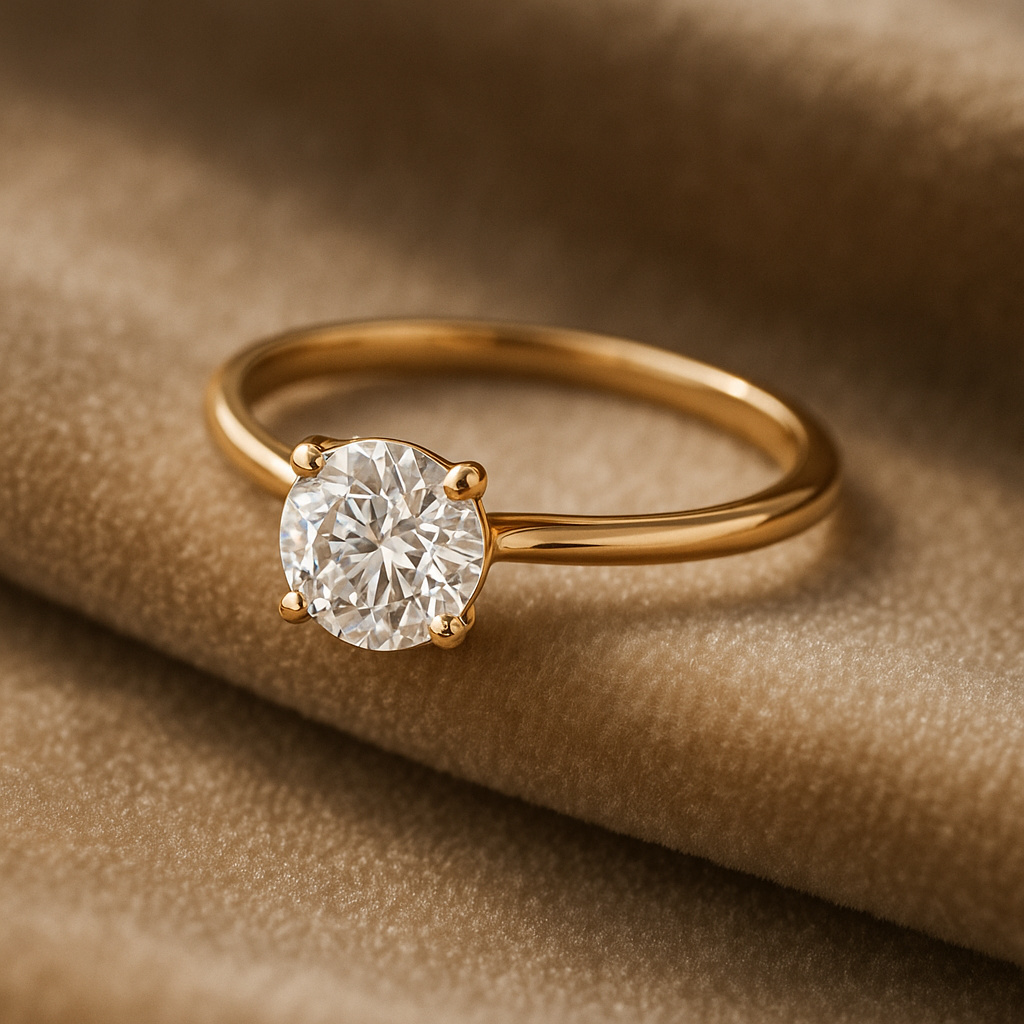
Ultimately, the choice between a lab-grown diamond and a natural diamond depends on individual preferences and values. Lab-grown diamonds offer a modern, ethical, and cost-effective alternative for engagement rings and fine jewelry. With their growing popularity, they provide a viable option for couples looking to express their love and commitment in a thoughtful manner.
If you’re considering purchasing an engagement ring, visit Celebrity Diamonds to explore our exquisite collection of lab-grown diamonds and find the perfect piece that aligns with your values and style.