Understanding Lab-Grown Diamonds: A Sustainable Choice for Engagement Rings
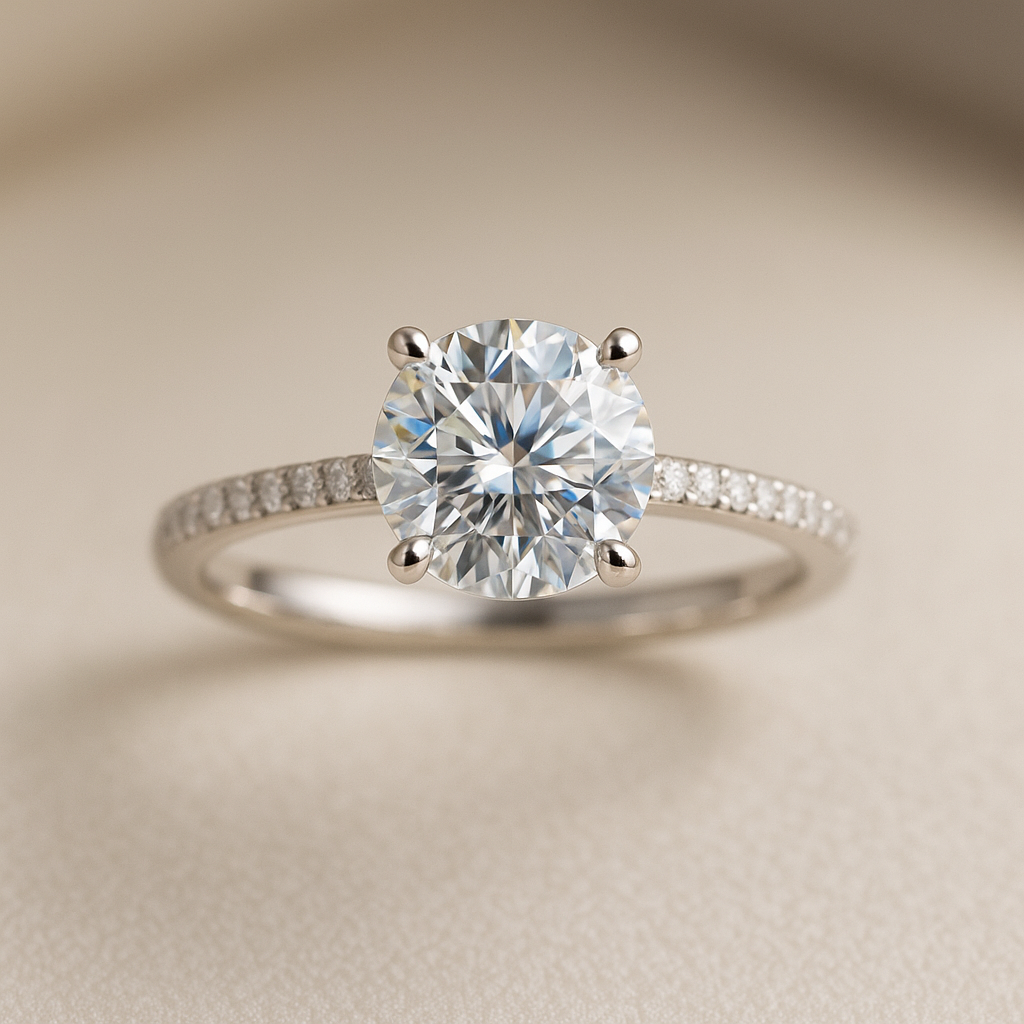
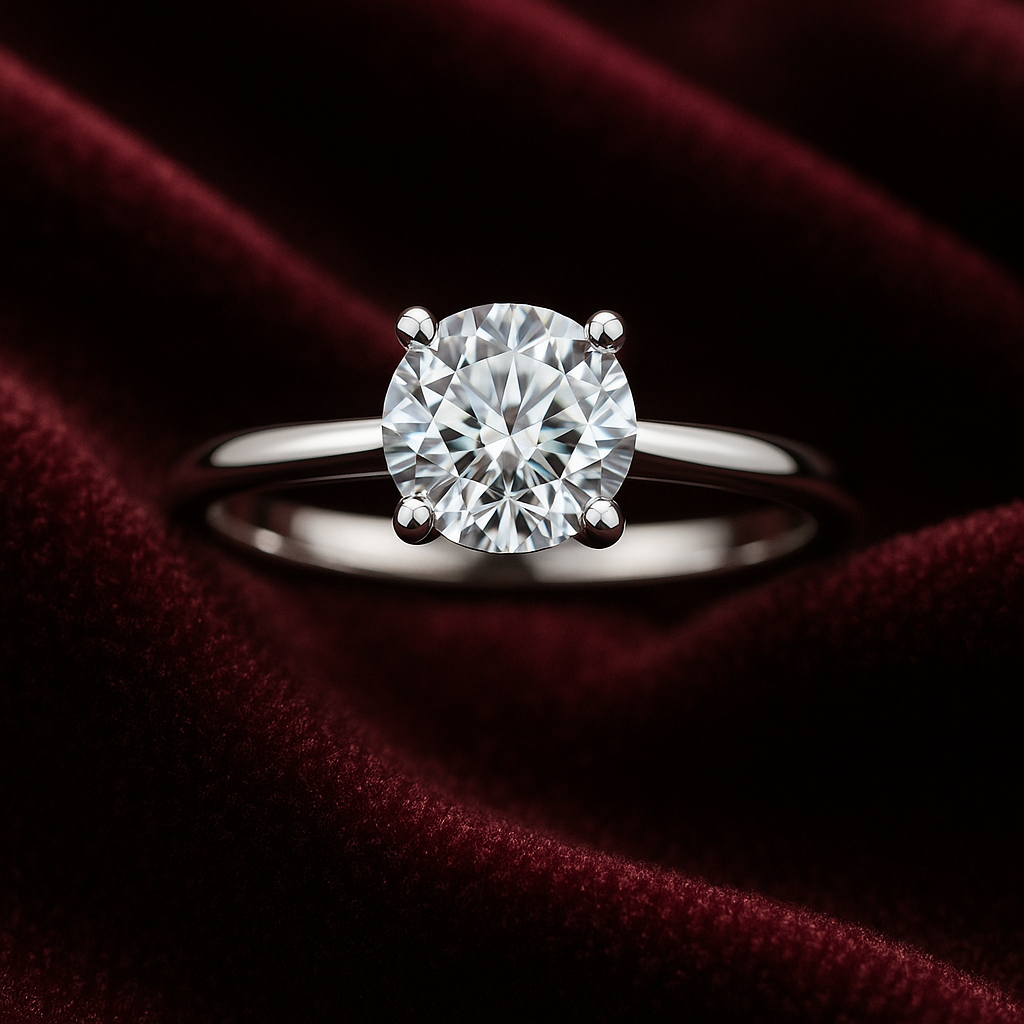
As couples embark on their journey toward a lifetime commitment, selecting the perfect engagement ring can be both exhilarating and overwhelming. In recent years, lab-grown diamonds have emerged as a compelling alternative to natural diamonds, captivating the attention of ethically-minded consumers. This article explores the nuances of lab-grown diamonds, their benefits, and why they may be the ideal choice for your engagement ring.
What Are Lab-Grown Diamonds?
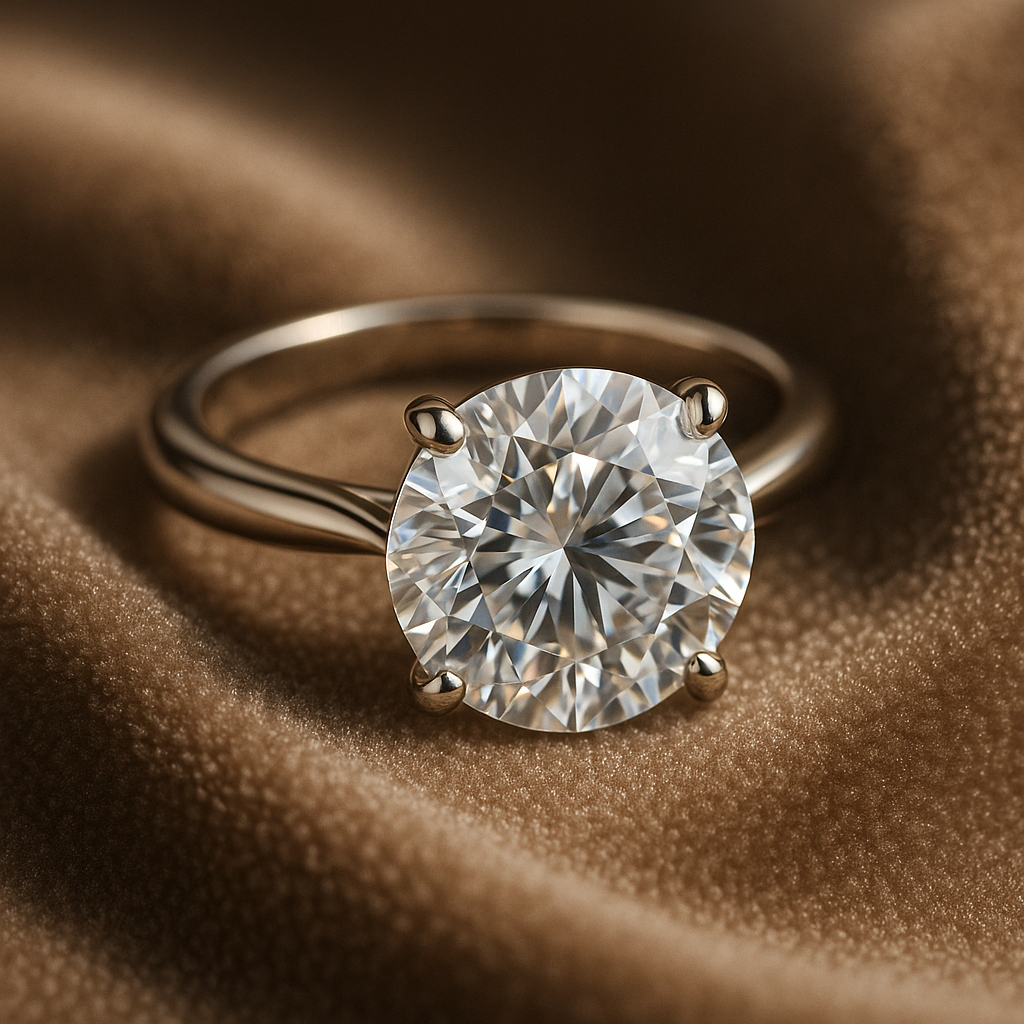
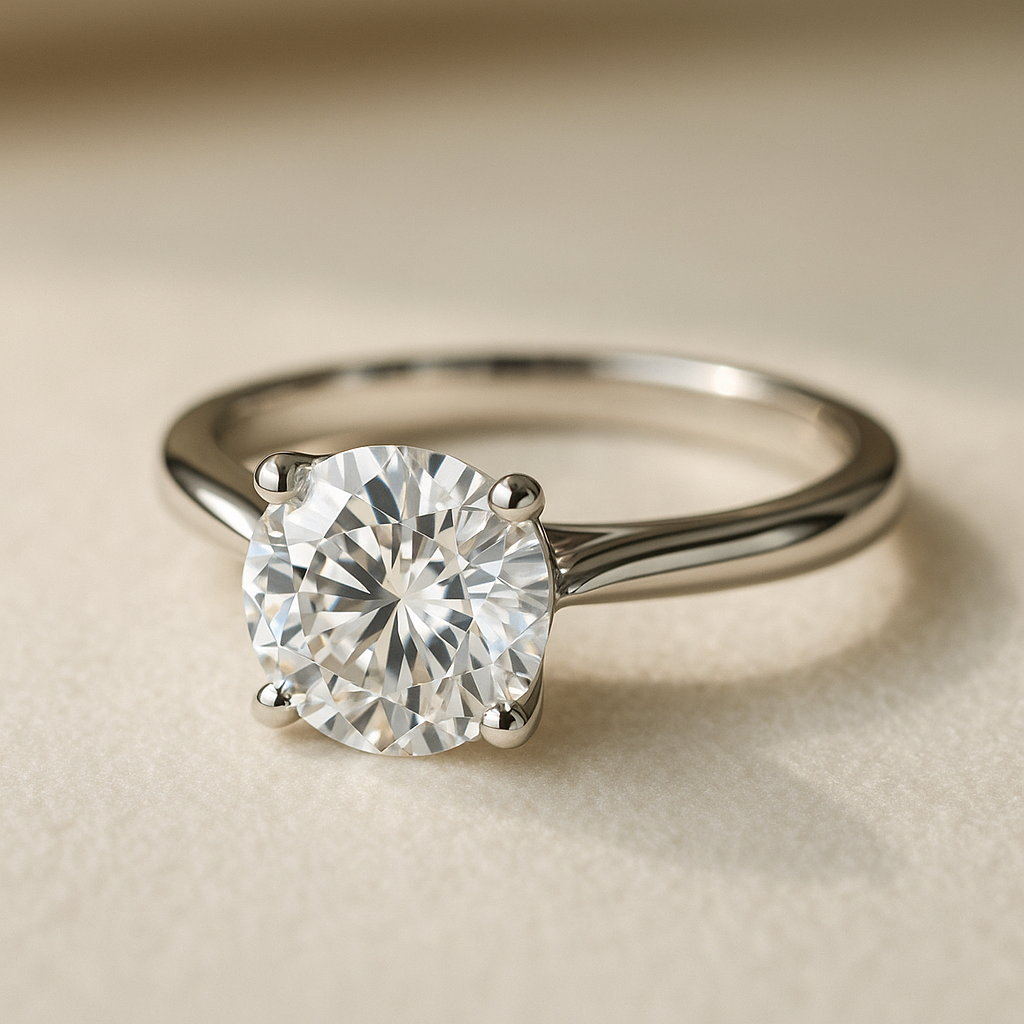
Lab-grown diamonds, also known as synthetic or cultured diamonds, are created in a controlled environment using advanced technological processes that replicate the natural formation of diamonds. Utilizing techniques such as High Pressure High Temperature (HPHT) or Chemical Vapor Deposition (CVD), these diamonds possess the same physical, chemical, and optical properties as their natural counterparts.
The Environmental Impact
One of the most significant advantages of lab-grown diamonds is their lower environmental impact. Traditional diamond mining is resource-intensive, often resulting in habitat destruction, water pollution, and substantial carbon emissions. In contrast, lab-grown diamonds require significantly less land and water, making them a more sustainable option for the environmentally conscious consumer.
Quality and Affordability
When comparing lab-grown diamonds to natural diamonds, potential buyers often discover that lab-grown options are more affordable. Lab-grown diamonds can be up to 30-50% less expensive than natural diamonds of comparable size and quality. This affordability allows couples to choose larger or higher-quality stones without exceeding their budget.
Gemological Certification
Just like natural diamonds, lab-grown diamonds can be certified by reputable gemological laboratories. Certification ensures that the diamond’s qualities—such as carat weight, cut, color, and clarity—are accurately evaluated. When purchasing a lab-grown diamond, always seek certification from well-known institutions to ensure you are getting a high-quality product.
Myths About Lab-Grown Diamonds
Despite their rising popularity, several myths about lab-grown diamonds persist. One common misconception is that lab-grown diamonds are ‘fake’ or of inferior quality. In reality, lab-grown diamonds are real diamonds, identical to natural diamonds at a molecular level. Furthermore, they are graded using the same criteria as natural diamonds, ensuring quality and authenticity.
Longevity and Durability
Lab-grown diamonds are equally as durable as natural diamonds, making them an excellent choice for everyday wear, especially in an engagement ring. Both types score a perfect 10 on the Mohs scale of hardness, meaning they are resistant to scratching and suitable for a lifetime of wear.
Consumer Preferences and Trends
As consumers become more educated about their purchasing decisions, trends reflect a growing preference for lab-grown diamonds. Studies indicate that an increasing number of couples are opting for lab-grown stones, valuing both sustainability and affordability. This shift showcases a broader acceptance of lab-grown diamonds as a legitimate choice in the luxury jewelry market.
How to Choose a Lab-Grown Diamond
When selecting a lab-grown diamond for your engagement ring, consider the following factors:
- Budget: Determine your budget and explore various options within your price range.
- Quality: Review the 4 Cs—cut, carat, color, and clarity—to understand the diamond’s quality.
- Certification: Ensure the diamond is certified by a reputable laboratory for peace of mind.
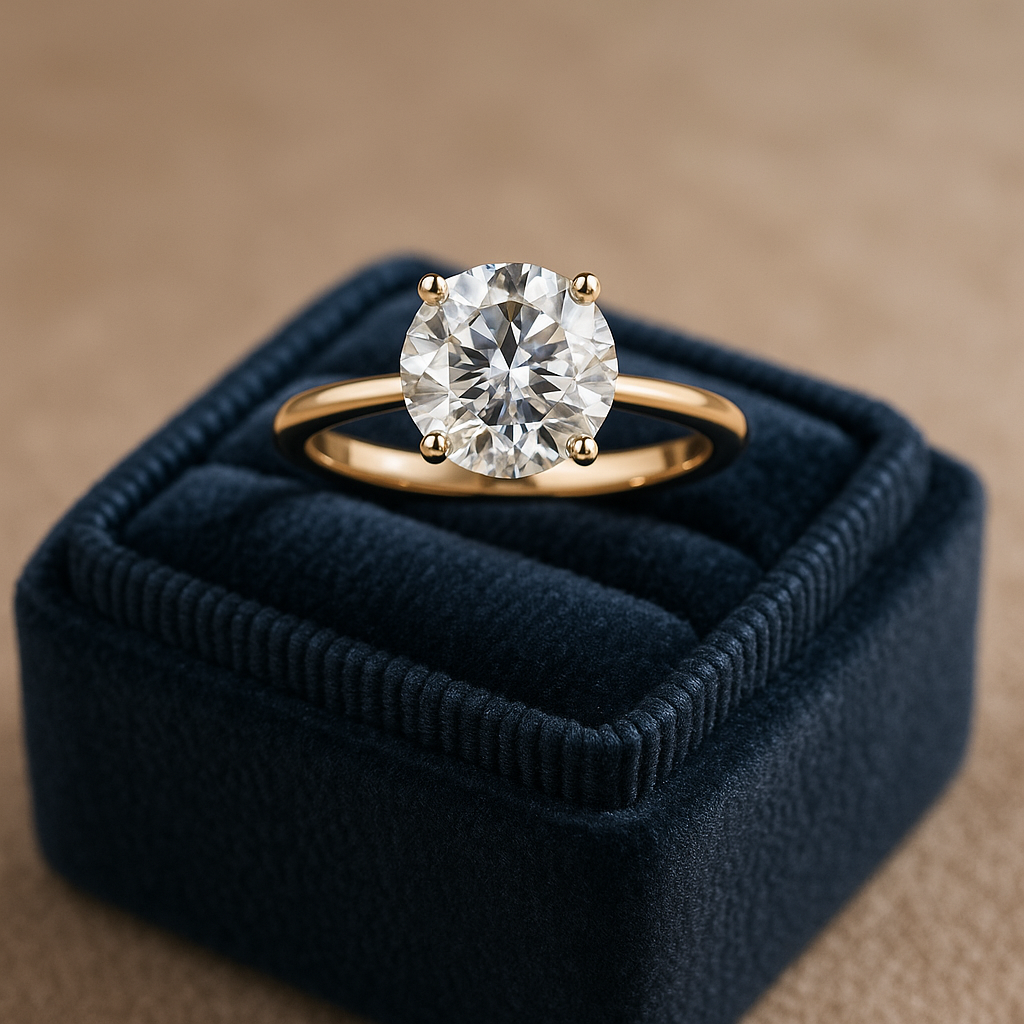
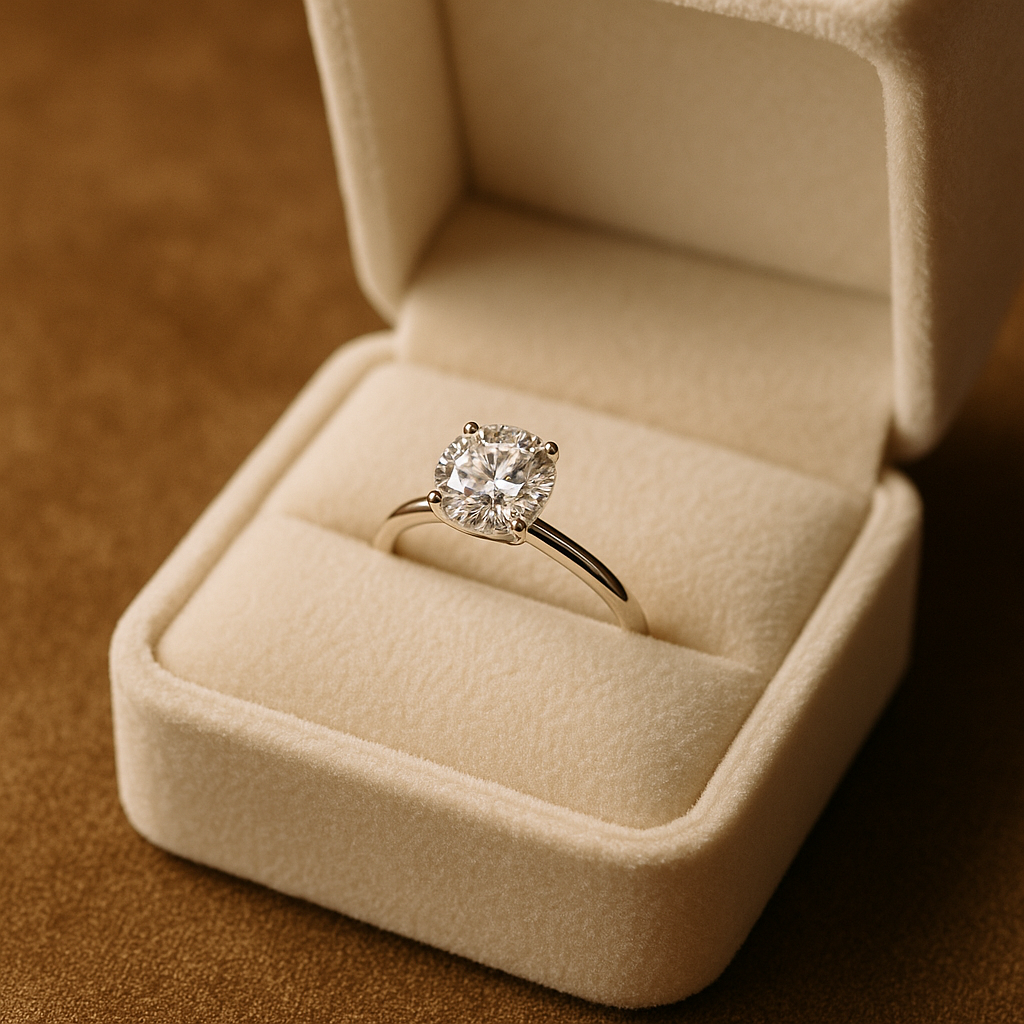
- Setting: Choose a ring setting that complements the diamond and fits your personal style.
Frequently Asked Questions
Are lab-grown diamonds more ethical than natural diamonds?
Yes, lab-grown diamonds are generally considered more ethical due to their lower environmental impact and the absence of unethical mining practices associated with some natural diamonds.
Do lab-grown diamonds hold their value?
Lab-grown diamonds typically do not retain value the same way natural diamonds do, as they are more abundant. However, they can still be a valuable investment due to their quality and craftsmanship.
Can you tell the difference between lab-grown and natural diamonds?
To the untrained eye, lab-grown and natural diamonds appear identical. However, specialized equipment can detect the differences in their origin.
How do I care for a lab-grown diamond?
Caring for a lab-grown diamond is similar to caring for a natural diamond. Avoid exposing the diamond to harsh chemicals, and clean it regularly with mild soap and water.
Conclusion
Lab-grown diamonds represent a significant advancement in the jewelry industry, offering consumers an ethical, sustainable, and cost-effective choice for engagement rings. As you navigate your options, consider the benefits of lab-grown diamonds and how they align with your values. With their exceptional beauty and durability, lab-grown diamonds are not just a trend—they are a responsible choice for the discerning couple.