
Understanding Lab-Grown Diamonds: A Comprehensive Guide
In recent years, lab-grown diamonds have emerged as a popular alternative to natural diamonds, captivating consumers with their beauty, ethical considerations, and price accessibility. As you embark on your journey to find the perfect engagement ring or piece of fine jewelry, it’s essential to understand the nuances of lab-grown diamonds and how they compare to their natural counterparts.
What Are Lab-Grown Diamonds?
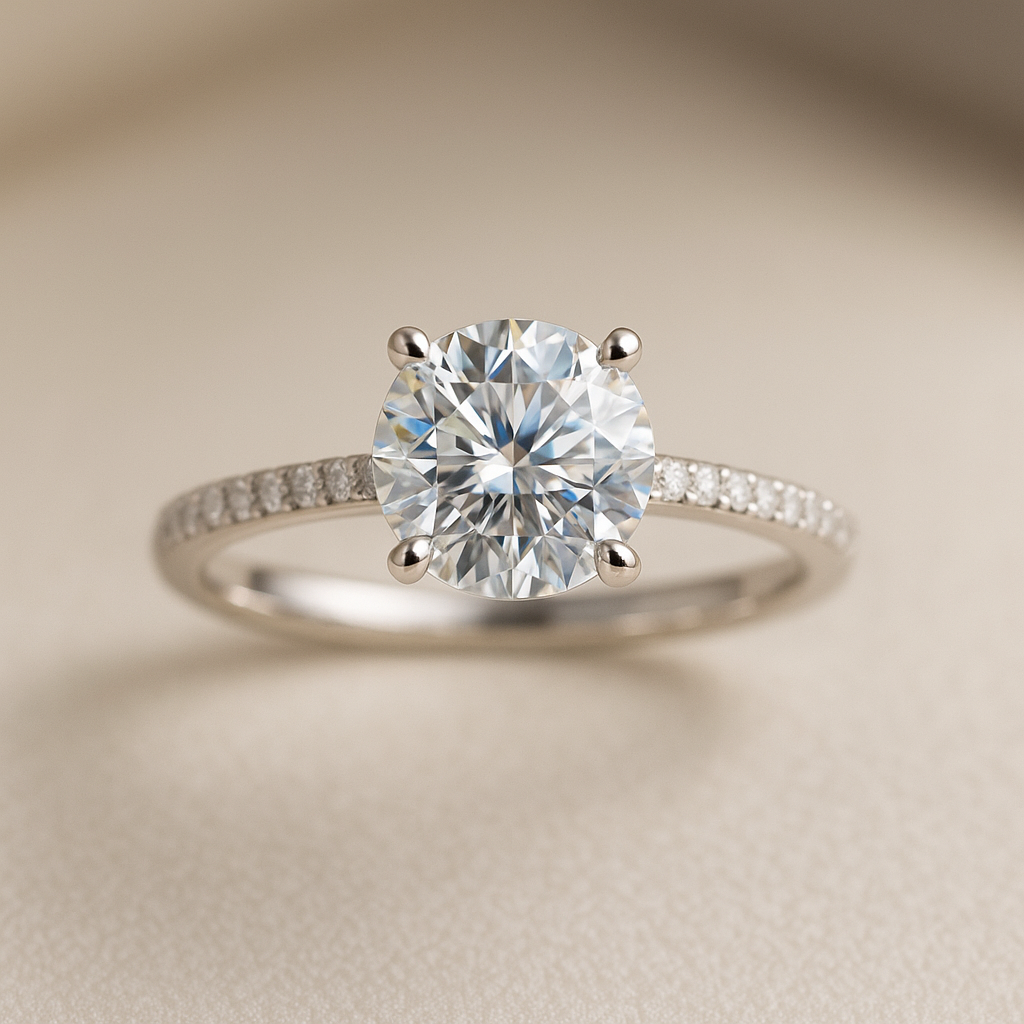
Lab-grown diamonds, also known as synthetic or cultivated diamonds, are real diamonds created in controlled environments using advanced technological processes that replicate the natural formation of diamonds deep within the Earth. These diamonds exhibit the same physical, chemical, and optical properties as natural diamonds, making them virtually indistinguishable to the naked eye.
The Process of Creating Lab-Grown Diamonds
There are two primary methods used to grow diamonds in a laboratory: High Pressure High Temperature (HPHT) and Chemical Vapor Deposition (CVD).
High Pressure High Temperature (HPHT)
The HPHT method mimics the natural conditions under which diamonds form. A small diamond seed is placed in a chamber with carbon and subjected to extreme heat and pressure. This process can take a few weeks to produce high-quality diamonds.
Chemical Vapor Deposition (CVD)
The CVD method involves creating a plasma that allows carbon atoms to settle on a diamond seed, gradually building up a diamond crystal. This method can be more controlled and is often used to create larger diamonds.
Lab-Grown Diamonds vs. Natural Diamonds: Key Differences
While both lab-grown and natural diamonds are made of carbon and share similar characteristics, there are several key differences to consider when making your decision.
Origin
Natural diamonds are formed over millions of years under the Earth’s crust, while lab-grown diamonds are created in a matter of weeks in a laboratory setting. This distinction can influence ethical considerations for many consumers.
Cost
One of the most significant advantages of lab-grown diamonds is their cost-effectiveness. Lab-grown diamonds typically cost 20-40% less than natural diamonds of similar size and quality, allowing consumers to purchase a larger or higher-quality stone for their budget.
Environmental and Ethical Considerations
Lab-grown diamonds are often viewed as the more sustainable and ethical choice. The diamond mining industry has faced scrutiny for its environmental impact and human rights issues. In contrast, lab-grown diamonds are produced with fewer environmental concerns and do not involve the same ethical dilemmas.
Choosing the Right Diamond: Factors to Consider
When selecting a diamond—whether lab-grown or natural—it’s essential to consider the Four Cs: Cut, Color, Clarity, and Carat Weight.
Cut
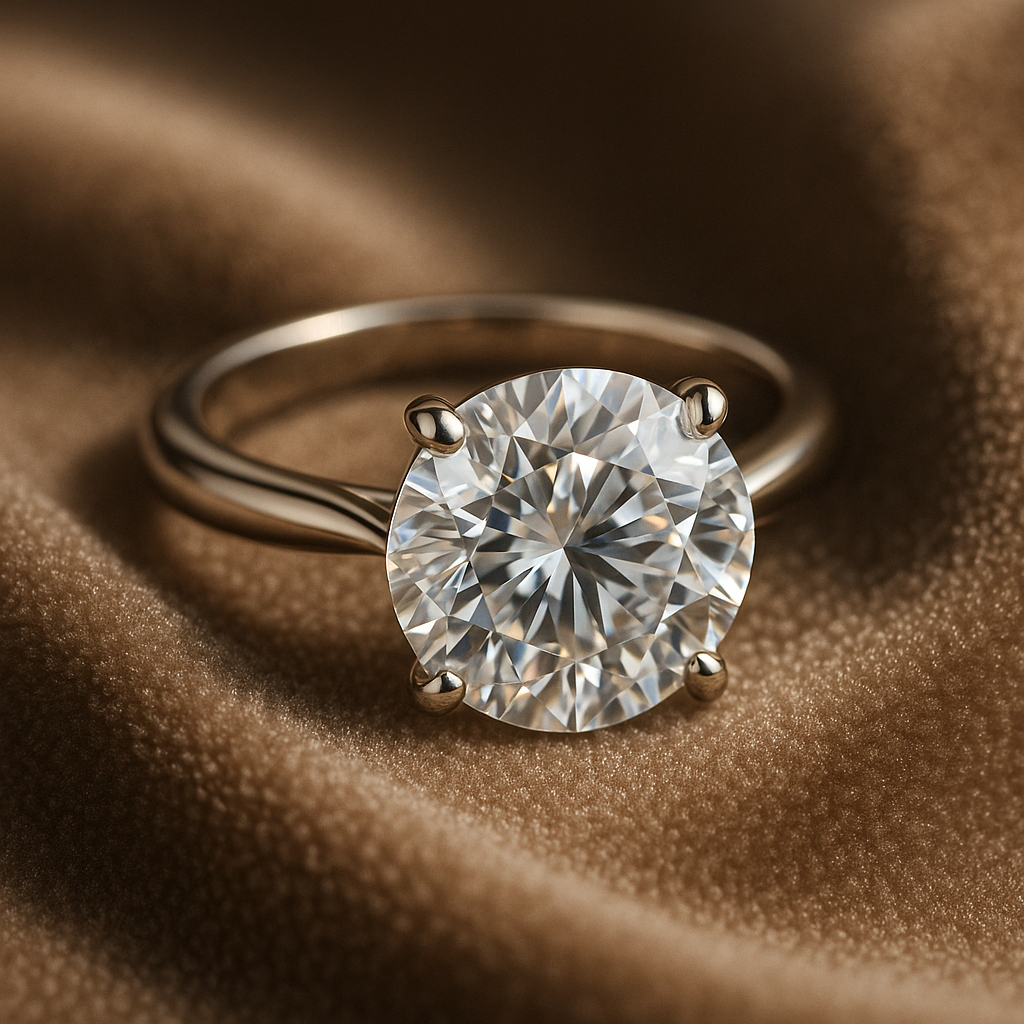
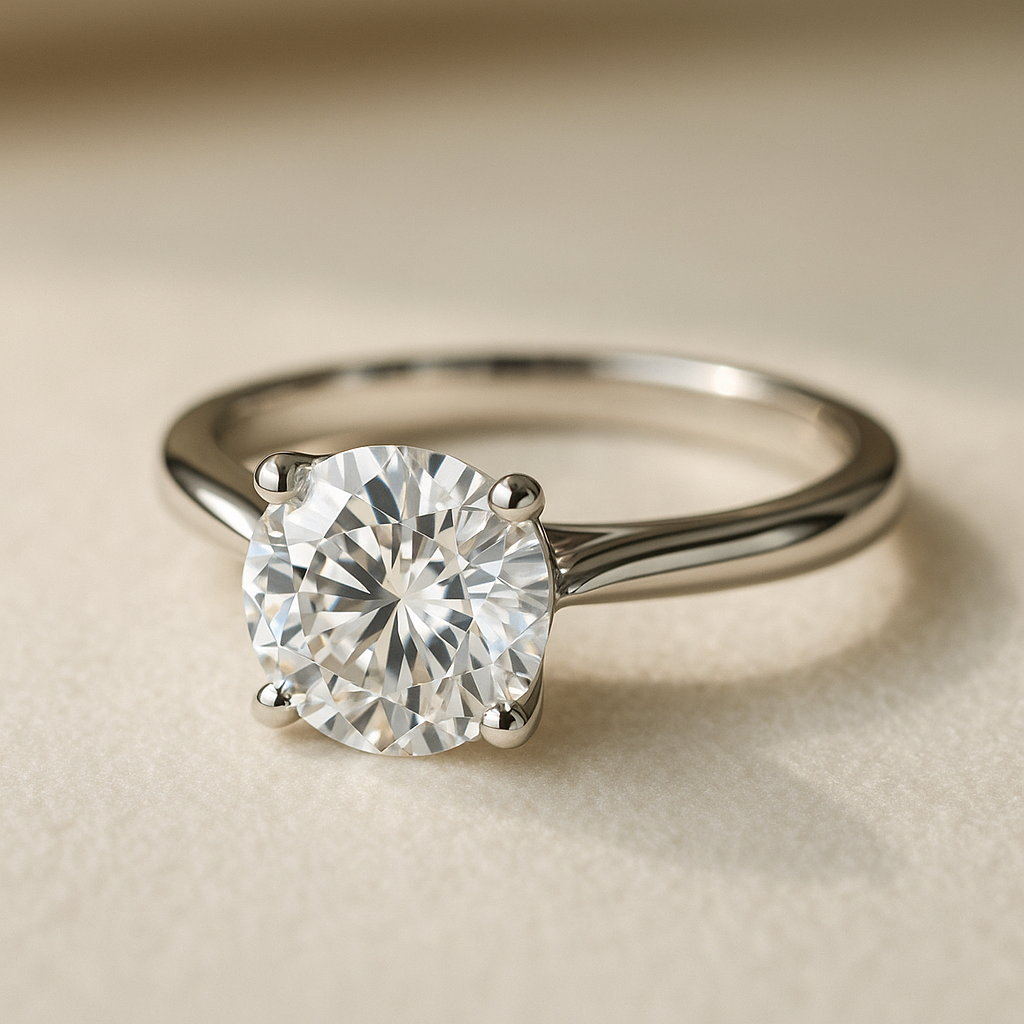
The cut of a diamond significantly impacts its brilliance and overall appearance. A well-cut diamond will reflect light beautifully, enhancing its sparkle. Both lab-grown and natural diamonds can be found in various cuts, including round, princess, and emerald.
Color
Diamond color grades range from D (colorless) to Z (light yellow or brown). Lab-grown diamonds can achieve higher color grades more easily due to the controlled growing conditions.
Clarity
Clarity refers to the presence of inclusions or blemishes within a diamond. Lab-grown diamonds are often found with fewer inclusions, resulting in higher clarity ratings.
Carat Weight
Carat weight measures the size of the diamond. Lab-grown diamonds allow you to maximize your carat weight within your budget, giving you options for larger stones.
Certification and Grading
When purchasing a diamond, look for certificates from reputable grading organizations, such as the Gemological Institute of America (GIA) or the International Gemological Institute (IGI). These certificates provide detailed information about the diamond’s characteristics and ensure you are getting a quality product.
Caring for Your Lab-Grown Diamond Jewelry
Proper care can maintain the beauty of your lab-grown diamond jewelry. Here are some tips to keep your diamonds sparkling:
- Regular Cleaning: Clean your diamond with a soft brush and mild dish soap to remove dirt and oils.
- Avoid Harsh Chemicals: Keep your diamonds away from harsh chemicals that can damage the metal setting.
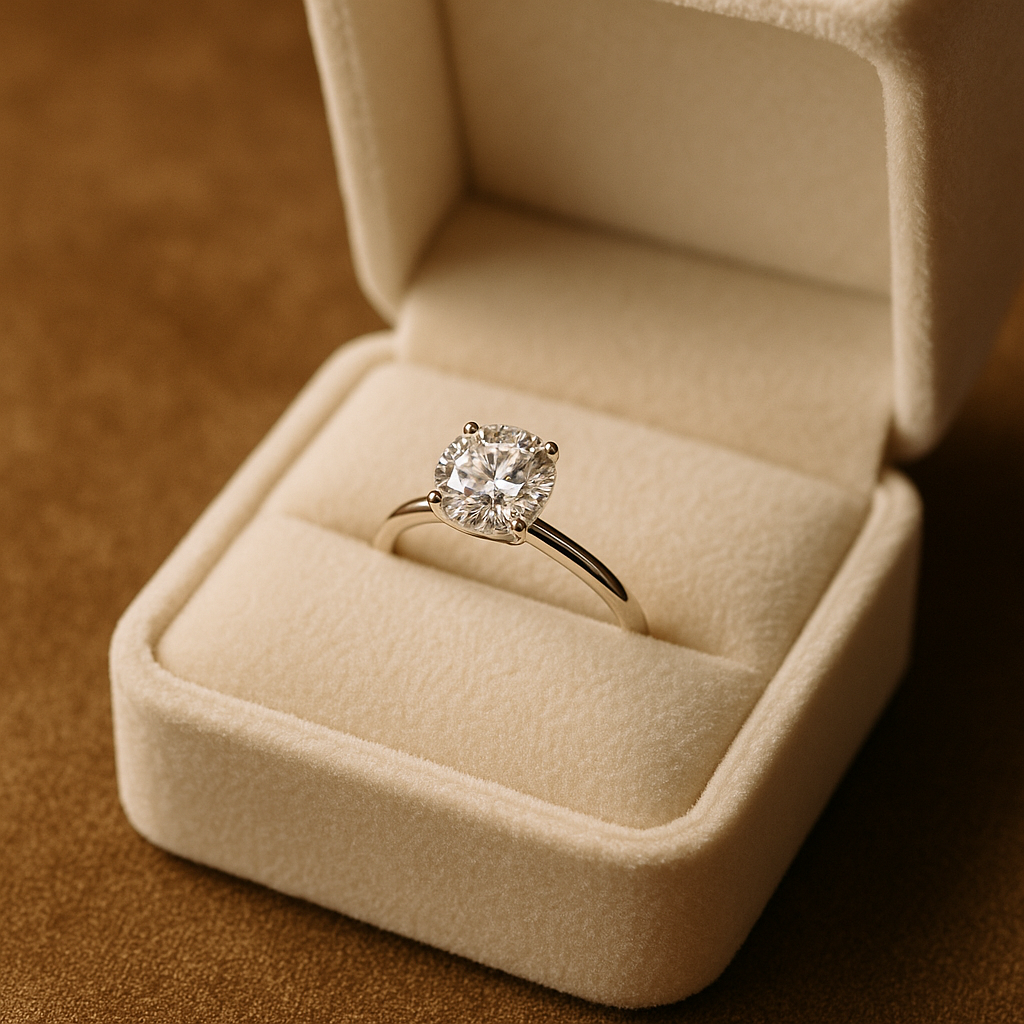
- Safe Storage: Store your diamond jewelry in a soft cloth or jewelry box to prevent scratches.
Frequently Asked Questions (FAQ)
Are lab-grown diamonds real diamonds?
Yes, lab-grown diamonds are genuine diamonds that match the chemical and physical properties of natural diamonds.
Do lab-grown diamonds hold their value?
Lab-grown diamonds generally do not hold their value as well as natural diamonds due to their lower market demand. However, they offer consumers more value for their budget initially.
Can you tell the difference between lab-grown and natural diamonds?
Without specialized equipment, it is nearly impossible to visually distinguish between lab-grown and natural diamonds, as they share the same characteristics.
What are the advantages of choosing lab-grown diamonds?
Lab-grown diamonds offer a combination of ethical sourcing, affordability, and environmental sustainability, making them an attractive option for many consumers.
Conclusion
As you navigate the world of diamonds, understanding the differences between lab-grown and natural diamonds will empower you to make an informed decision. Whether you prioritize ethical sourcing, budget considerations, or beauty, lab-grown diamonds present an appealing alternative in the realm of fine jewelry. At Celebrity Diamonds, we are committed to providing you with exquisite options that align with your values and preferences, ensuring you find the perfect piece for your special occasion.