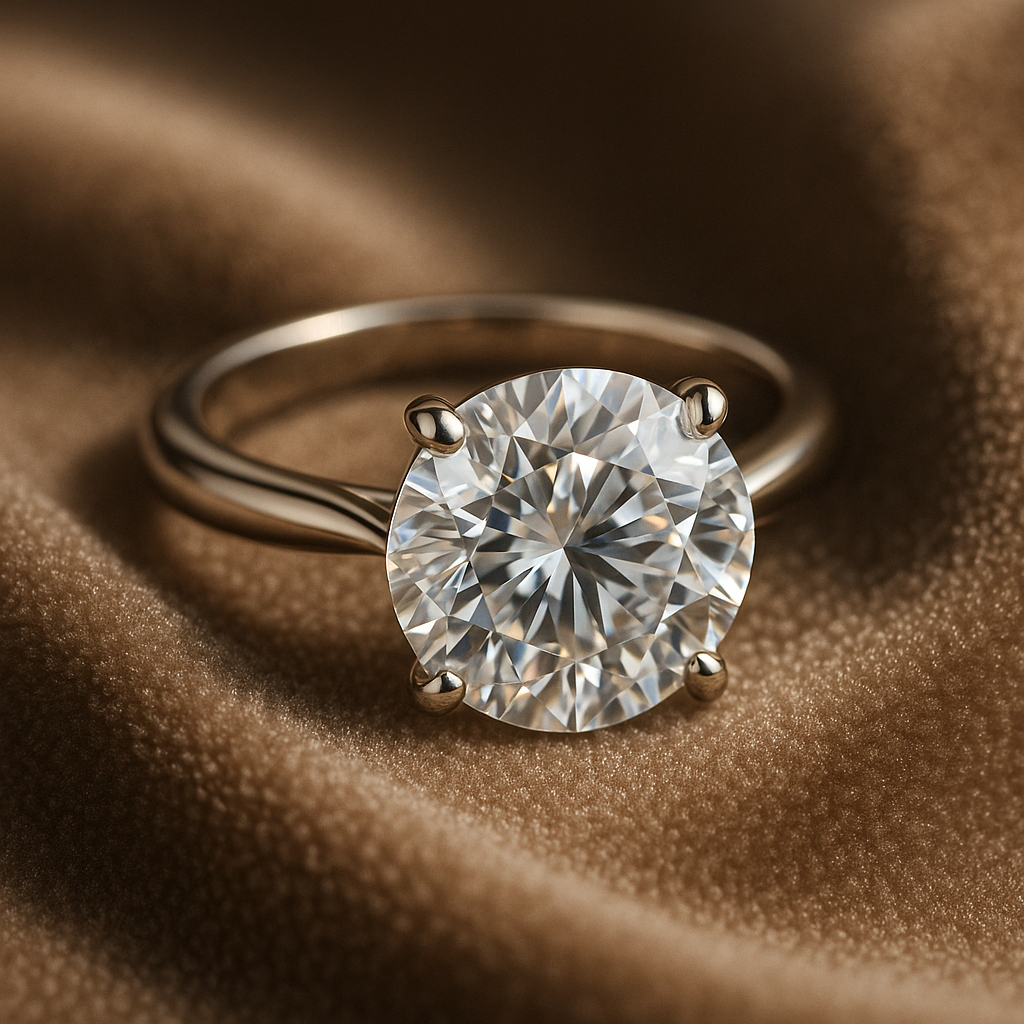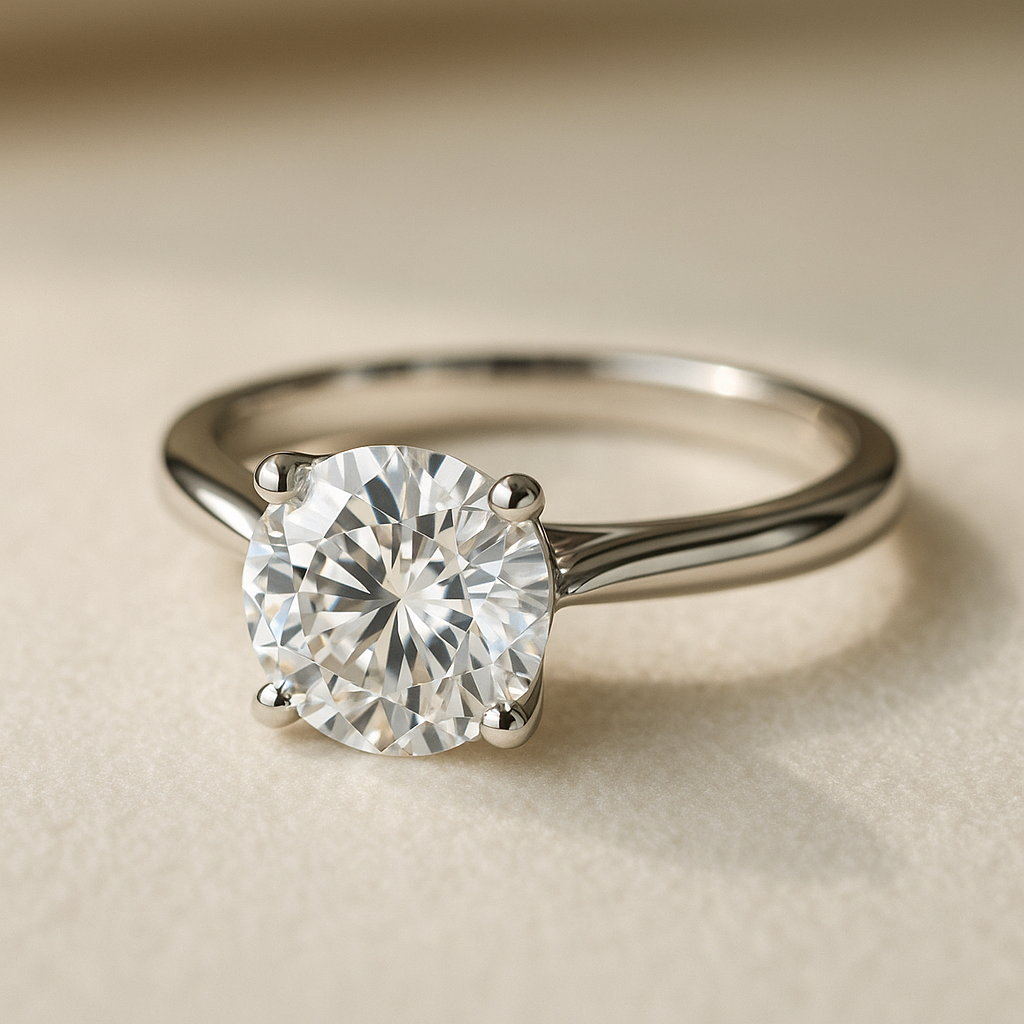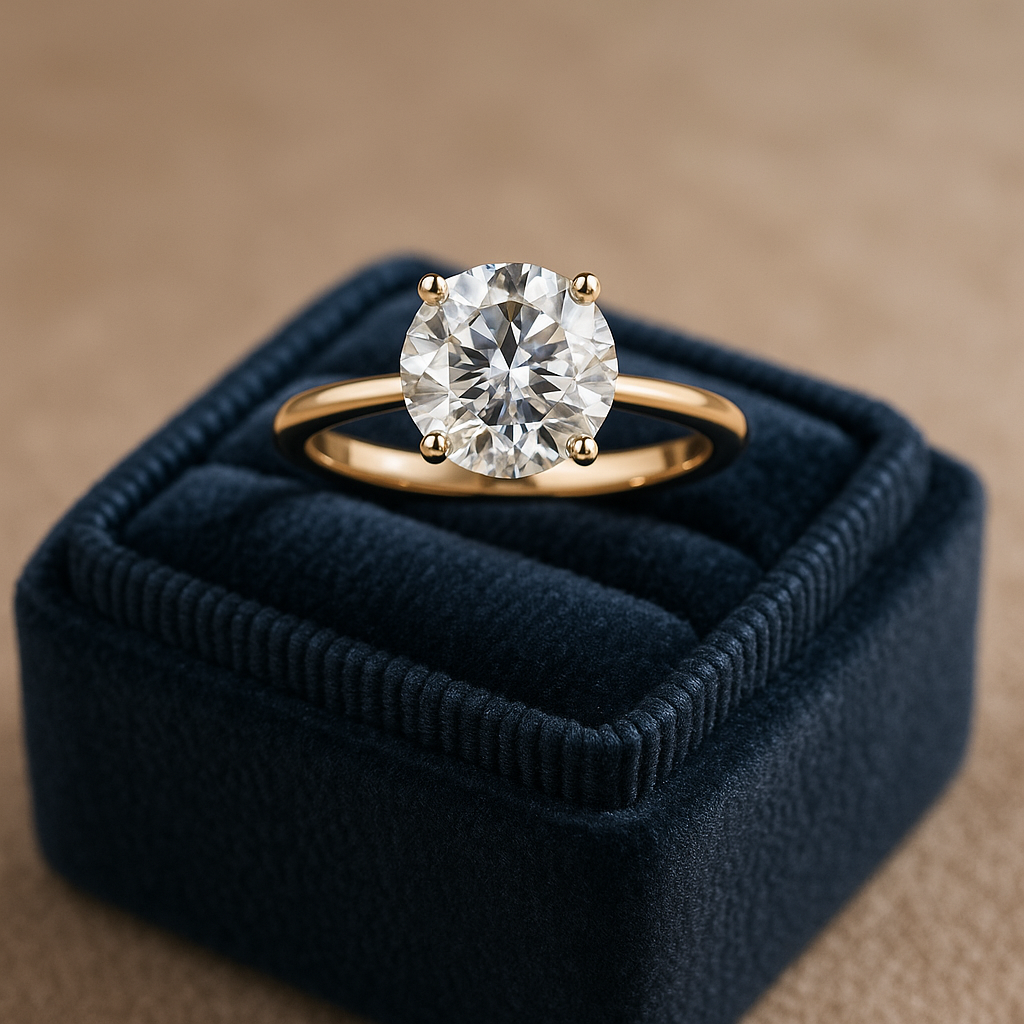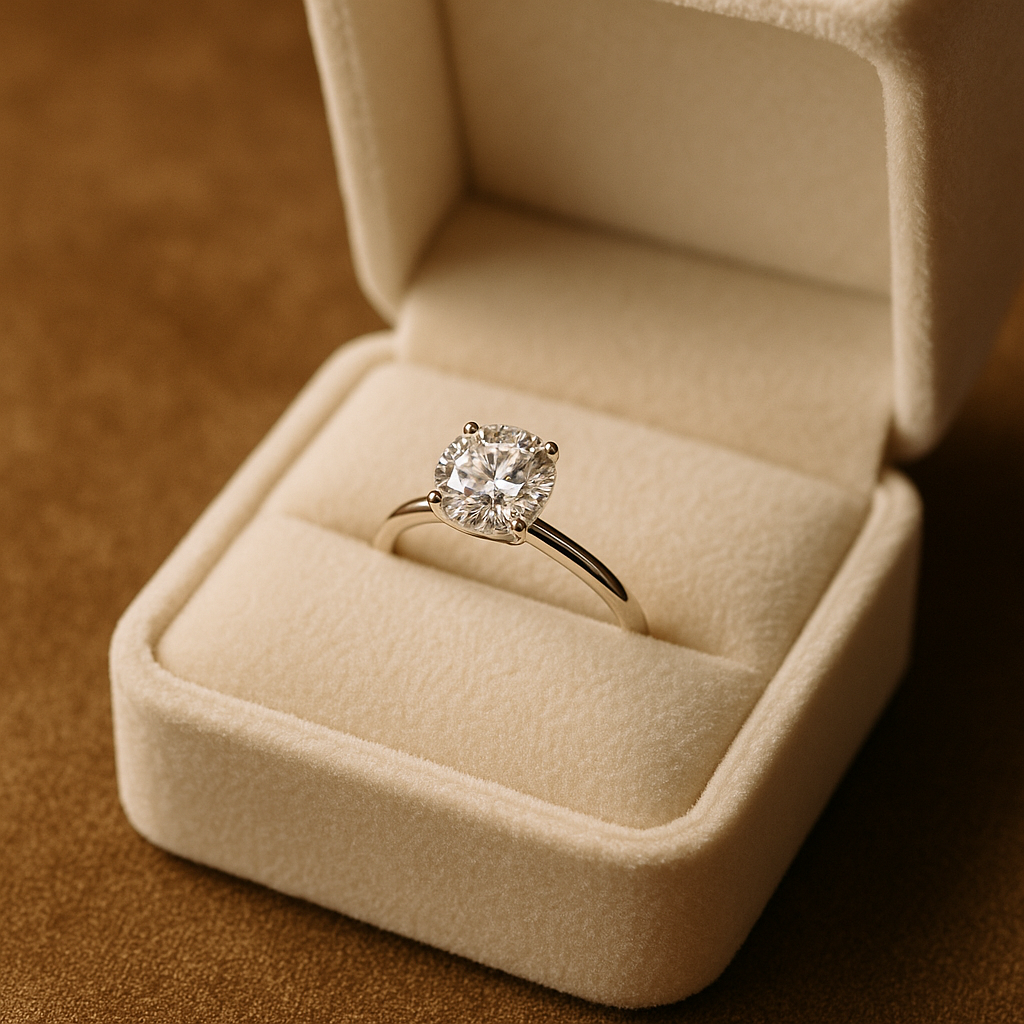
Understanding Lab-Grown Diamonds: The Smart Choice for Engagement Rings
As the diamond industry continues to evolve, consumers are increasingly drawn to lab-grown diamonds. These stunning gems offer a compelling alternative to their natural counterparts, with numerous benefits that are attracting attention from engaged couples and fine jewelry shoppers alike. In this article, we will delve into what lab-grown diamonds are, how they compare to natural diamonds, and why they are becoming the go-to choice for many.
What Are Lab-Grown Diamonds?
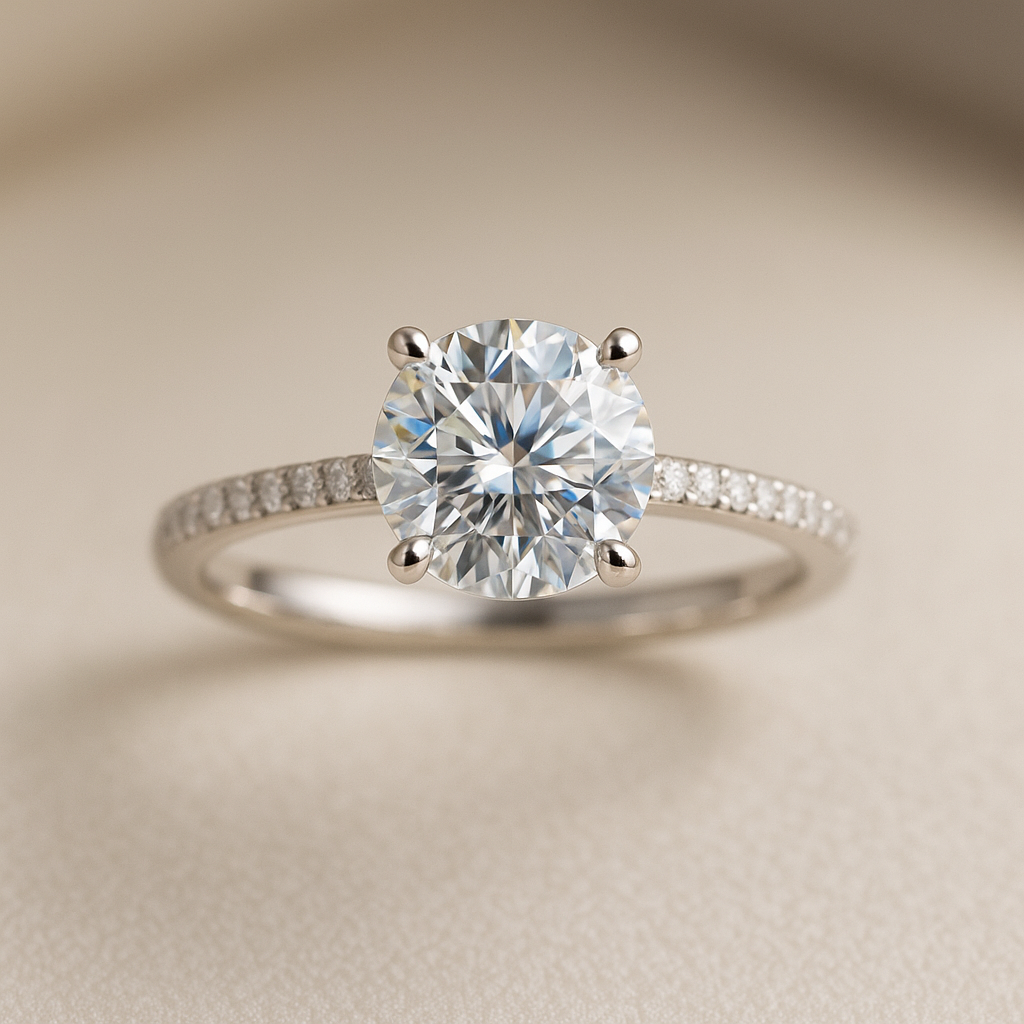
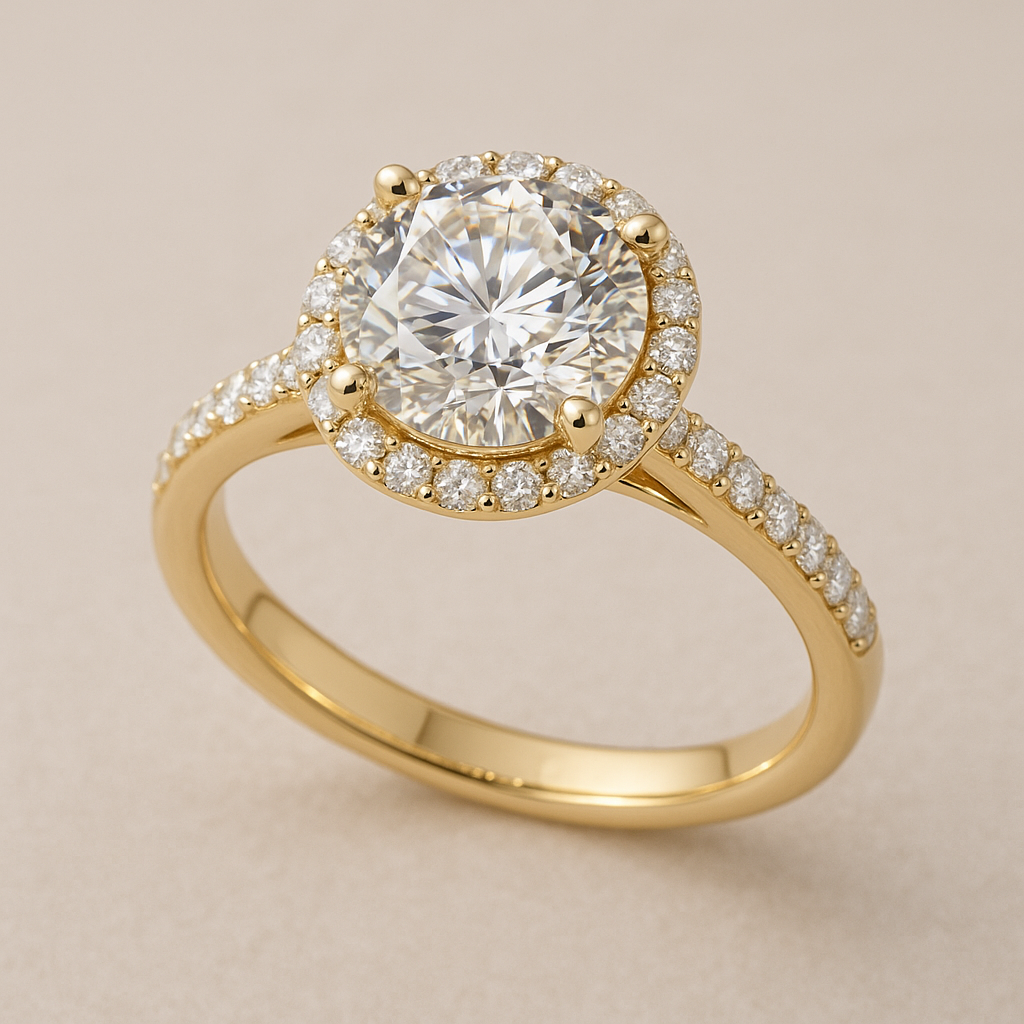
Lab-grown diamonds are real diamonds created in controlled environments using advanced technological processes. Unlike natural diamonds, which form over millions of years through geological processes beneath the Earth’s surface, lab-grown diamonds typically take a few weeks to produce. They possess the same physical, chemical, and optical properties as natural diamonds, making them indistinguishable to the naked eye.
The Two Main Methods of Creating Lab-Grown Diamonds
There are two primary methods for creating lab-grown diamonds: High Pressure High Temperature (HPHT) and Chemical Vapor Deposition (CVD). Each method has its unique processes and results, contributing to the overall quality and appearance of the diamond.
- High Pressure High Temperature (HPHT): This method simulates the natural conditions under which diamonds form. By recreating the high temperature and pressure found deep within the Earth, carbon is transformed into diamond crystals.
- Chemical Vapor Deposition (CVD): CVD involves placing carbon-rich gases in a chamber, where they are ionized, allowing carbon to deposit onto a substrate and form diamond. This method allows for precise control over the diamond’s growth and can yield larger gems.
Why Choose Lab-Grown Diamonds?
There are many reasons to consider lab-grown diamonds when selecting an engagement ring or fine jewelry. Here are some of the most significant advantages:
1. Ethical Sourcing
One of the primary concerns for many consumers today is the ethical implications of diamond mining. Lab-grown diamonds are created in laboratories, eliminating the environmental and humanitarian issues associated with traditional diamond mining. This transparency in sourcing appeals to socially conscious consumers.
2. Cost-Effectiveness
Lab-grown diamonds are generally more affordable than natural diamonds, often costing 20% to 40% less. This price difference allows consumers to invest in larger or higher-quality diamonds without exceeding their budget. For couples looking to maximize their investment, lab-grown diamonds present an appealing option.
3. Quality and Variety
Lab-grown diamonds can be produced in a variety of colors and sizes, offering shoppers more choices compared to natural diamonds. Furthermore, the controlled environment in which they are created often results in fewer impurities and inclusions, meaning buyers are more likely to find perfect or near-perfect stones.
Lab-Grown vs. Natural Diamonds: What’s the Difference?
While lab-grown diamonds and natural diamonds share many similarities, there are some key differences worth noting:
- Origin: As previously mentioned, lab-grown diamonds are created in laboratories, whereas natural diamonds are formed over millions of years in the Earth’s mantle.
- Value Retention: Natural diamonds may hold their value better over time, largely due to their rarity. However, the resale market for lab-grown diamonds is growing, and many consumers are starting to view them as valuable gems.
- Identification: Lab-grown diamonds can be identified using advanced gemological tools and techniques, such as UV light tests and spectroscopy. While they are visually identical to natural diamonds, they may exhibit slight differences that trained professionals can detect.
Frequently Asked Questions About Lab-Grown Diamonds
Are lab-grown diamonds real diamonds?
Yes, lab-grown diamonds are real diamonds. They have the same physical, chemical, and optical properties as natural diamonds, making them indistinguishable without specialized equipment.
Do lab-grown diamonds have resale value?
Lab-grown diamonds typically have lower resale values than natural diamonds. However, as consumer acceptance grows, so does the market for reselling lab-grown diamonds.
How can I ensure I am buying a quality lab-grown diamond?
When purchasing a lab-grown diamond, look for certification from reputable gemological laboratories, such as the GIA or IGI. This ensures the diamond has been graded accurately based on the 4Cs: cut, color, clarity, and carat weight.
Can lab-grown diamonds be passed down as family heirlooms?
Absolutely! Lab-grown diamonds are durable and maintain their beauty over time, making them perfect for heirloom jewelry. Their ethical production also adds a meaningful story to any piece passed down through generations.
Conclusion: The Future of Diamonds
Lab-grown diamonds are revolutionizing the jewelry market, providing consumers with a guilt-free, affordable, and stunning alternative to traditional diamonds. As more people become educated about the benefits of lab-grown diamonds, it’s clear that they are here to stay. Whether you are searching for the perfect engagement ring or a piece to commemorate a special occasion, considering a lab-grown diamond is a smart and responsible choice.