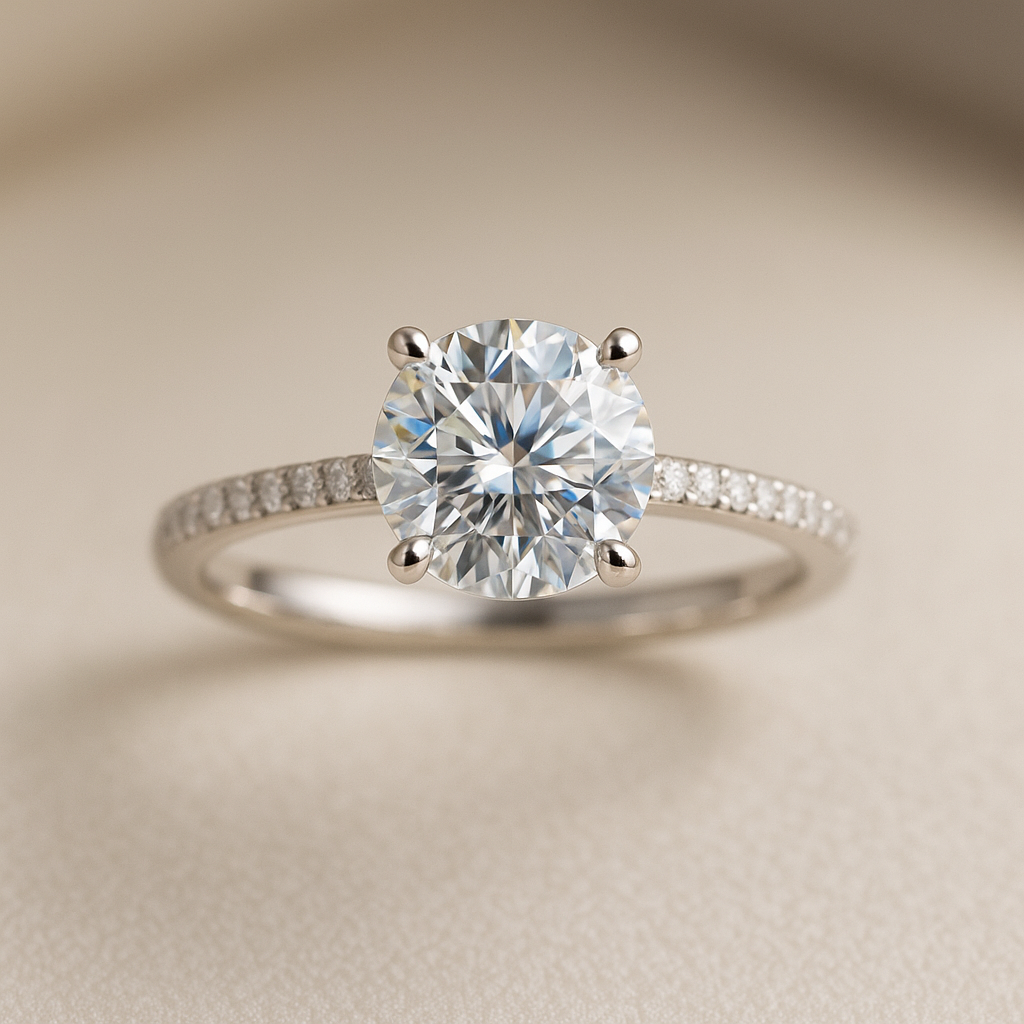

Understanding Lab-Grown Diamonds: A Consumer’s Guide
When it comes to choosing the perfect engagement ring, diamonds are often at the forefront of consumers’ minds. In recent years, lab-grown diamonds have entered the conversation, offering an alternative to traditional natural diamonds. This guide will explore what lab-grown diamonds are, their benefits, and how they compare to natural diamonds to help you make an informed decision.
What Are Lab-Grown Diamonds?
Lab-grown diamonds, also known as synthetic or cultured diamonds, are created in controlled laboratory environments using advanced technology that replicates the natural diamond formation process. These diamonds possess the same physical, chemical, and optical properties as natural diamonds, making them indistinguishable to the naked eye.
How Lab-Grown Diamonds Are Made
There are two primary methods for creating lab-grown diamonds: High Pressure High Temperature (HPHT) and Chemical Vapor Deposition (CVD).
- High Pressure High Temperature (HPHT): This method mimics the natural conditions under which diamonds form in the Earth’s mantle. Carbon is subjected to extreme pressure and temperature, leading to the crystallization of diamond.
- Chemical Vapor Deposition (CVD): This technique involves placing a carbon source in a vacuum chamber. A gas mixture is introduced, which breaks down and deposits carbon atoms onto a substrate, forming a diamond layer by layer.
Benefits of Lab-Grown Diamonds
1. Cost-Effective: Lab-grown diamonds typically cost 20-40% less than their natural counterparts, allowing consumers to purchase larger stones or higher quality diamonds for the same budget.
2. Ethical Considerations: The origin of natural diamonds has often been associated with unethical mining practices and conflicts. Lab-grown diamonds offer a more transparent and ethical option, as they are not linked to such issues.
3. Environmentally Friendly: The environmental impact of mining natural diamonds can be significant, leading to habitat destruction and water pollution. In contrast, lab-grown diamonds have a smaller environmental footprint, using less land and water.
4. Quality and Variety: Lab-grown diamonds are available in a range of colors and qualities. They can also be crafted to specifications, ensuring that every diamond meets your exact requirements.
Lab-Grown vs. Natural Diamonds: Key Differences
1. Origin
The most obvious difference between lab-grown diamonds and natural diamonds is their origin. Natural diamonds are formed over billions of years beneath the Earth’s surface, while lab-grown diamonds are produced in a matter of weeks or months.
2. Value Retention
Natural diamonds are often perceived as better investments, as they have a long history of value retention and appreciation. Lab-grown diamonds, while less costly, may not retain their value in the same way due to market perception and resale challenges.
3. Appraisal and Certification
Both types of diamonds can be graded by reputable gemological laboratories. It’s critical to look for certifications from recognized organizations like the Gemological Institute of America (GIA) or the International Gemological Institute (IGI). These certifications ensure that you are purchasing a quality product, whether natural or lab-grown.
Frequently Asked Questions
Are lab-grown diamonds real diamonds?
Yes, lab-grown diamonds are real diamonds. They have the same physical, chemical, and optical properties as natural diamonds and are classified as diamond in every sense.
How can I tell if a diamond is lab-grown?
While lab-grown diamonds are virtually indistinguishable from natural diamonds to the naked eye, gemological laboratories can identify their origin through advanced testing techniques.
Do lab-grown diamonds hold value?
Lab-grown diamonds generally do not hold their value as well as natural diamonds. While they are less expensive to begin with, their resale value may be lower, reflecting their market perception.
Can I upgrade my lab-grown diamond in the future?
Yes, many retailers offer upgrade policies for lab-grown diamonds, allowing you to trade your stone for a larger or higher quality diamond in the future.
Are lab-grown diamonds a better choice for the environment?
Lab-grown diamonds have a significantly smaller environmental footprint than natural diamonds, making them a more environmentally friendly choice.
Conclusion
Choosing between a lab-grown and a natural diamond ultimately comes down to personal values and preferences. Lab-grown diamonds offer a cost-effective, ethical, and environmentally friendly alternative, while natural diamonds carry a legacy of rarity and value. As you embark on your jewelry shopping journey, consider what aspects matter most to you and make an informed decision that aligns with your beliefs and budget.