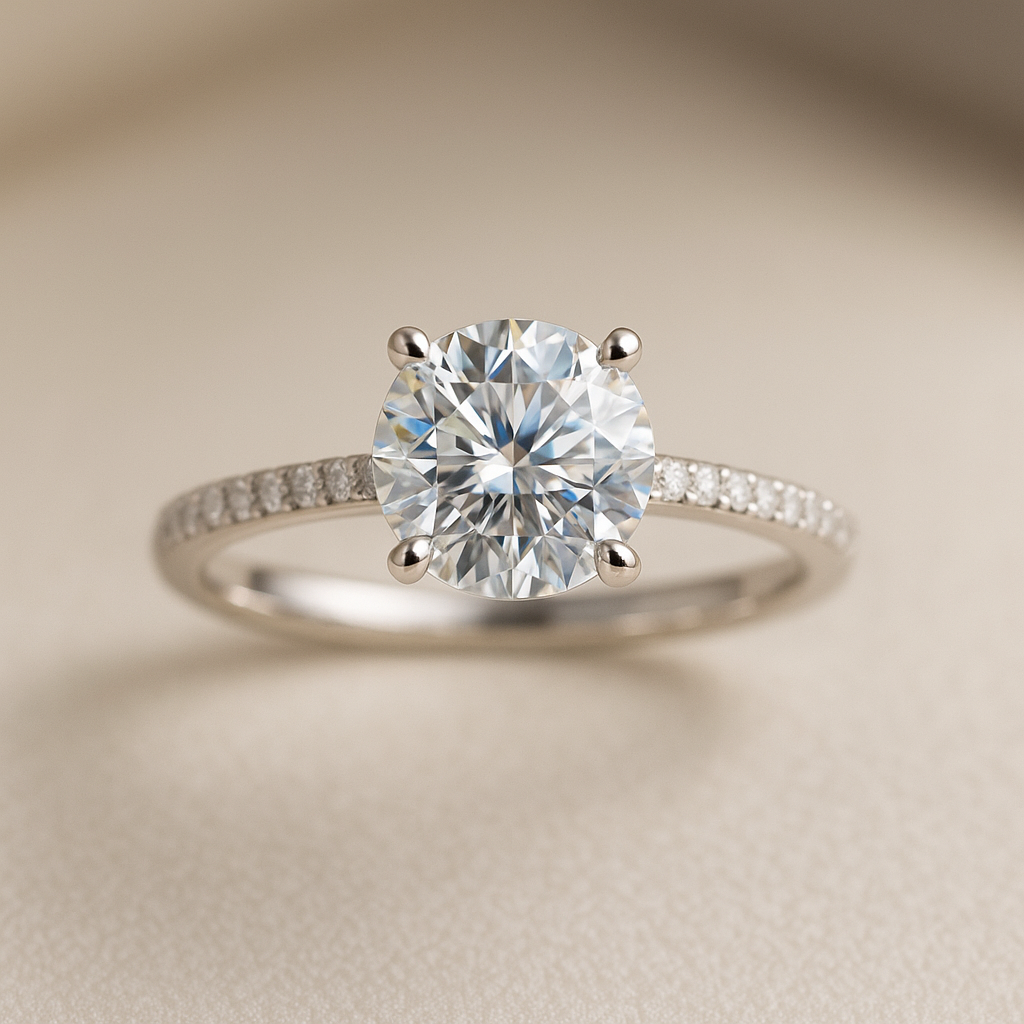

Understanding Lab-Grown Diamonds: A Modern Choice for Engagement Rings
In recent years, lab-grown diamonds have emerged as a compelling alternative to traditional natural diamonds. With their stunning beauty and ethical appeal, they are increasingly favored by couples looking for the perfect engagement ring. This article will delve into what lab-grown diamonds are, how they differ from natural diamonds, and why they might be the right choice for your engagement ring or fine jewelry purchase.
What Are Lab-Grown Diamonds?
Lab-grown diamonds, also known as synthetic or cultured diamonds, are real diamonds created in a controlled environment using advanced technological processes. These diamonds are chemically, physically, and optically identical to natural diamonds. They are made from carbon, the same element that forms natural diamonds, and are produced using two primary methods: High Pressure High Temperature (HPHT) and Chemical Vapor Deposition (CVD).
The Process of Creating Lab-Grown Diamonds
The creation of lab-grown diamonds begins with a tiny diamond seed. In the HPHT method, this seed is subjected to extreme pressure and temperature mimicking the conditions that occur in the Earth’s mantle. The CVD method uses a gas mixture in a vacuum chamber to build up carbon atoms on the seed, layer by layer, until a diamond is formed. Both methods can produce diamonds of various sizes and qualities, catering to different preferences and budgets.
Differences Between Lab-Grown and Natural Diamonds
While lab-grown diamonds are often compared to natural diamonds, there are key differences that potential buyers should be aware of:
- Origin: Natural diamonds are formed over millions of years deep within the Earth, while lab-grown diamonds are produced in a matter of weeks.
- Price: Lab-grown diamonds typically cost 20-40% less than their natural counterparts, making them an attractive option for budget-conscious consumers.
- Environmental Impact: Lab-grown diamonds have a significantly lower environmental impact compared to natural diamond mining, which can result in habitat destruction and ecological disruption.
- Ethical Considerations: Lab-grown diamonds are free from the ethical concerns associated with conflict diamonds. Consumers can purchase them with confidence, knowing they are supporting sustainable practices.
Choosing a Lab-Grown Diamond for Your Engagement Ring
When selecting a lab-grown diamond, you’ll want to consider the same key factors used in choosing a natural diamond: the Four Cs: Cut, Color, Clarity, and Carat weight.
Cut
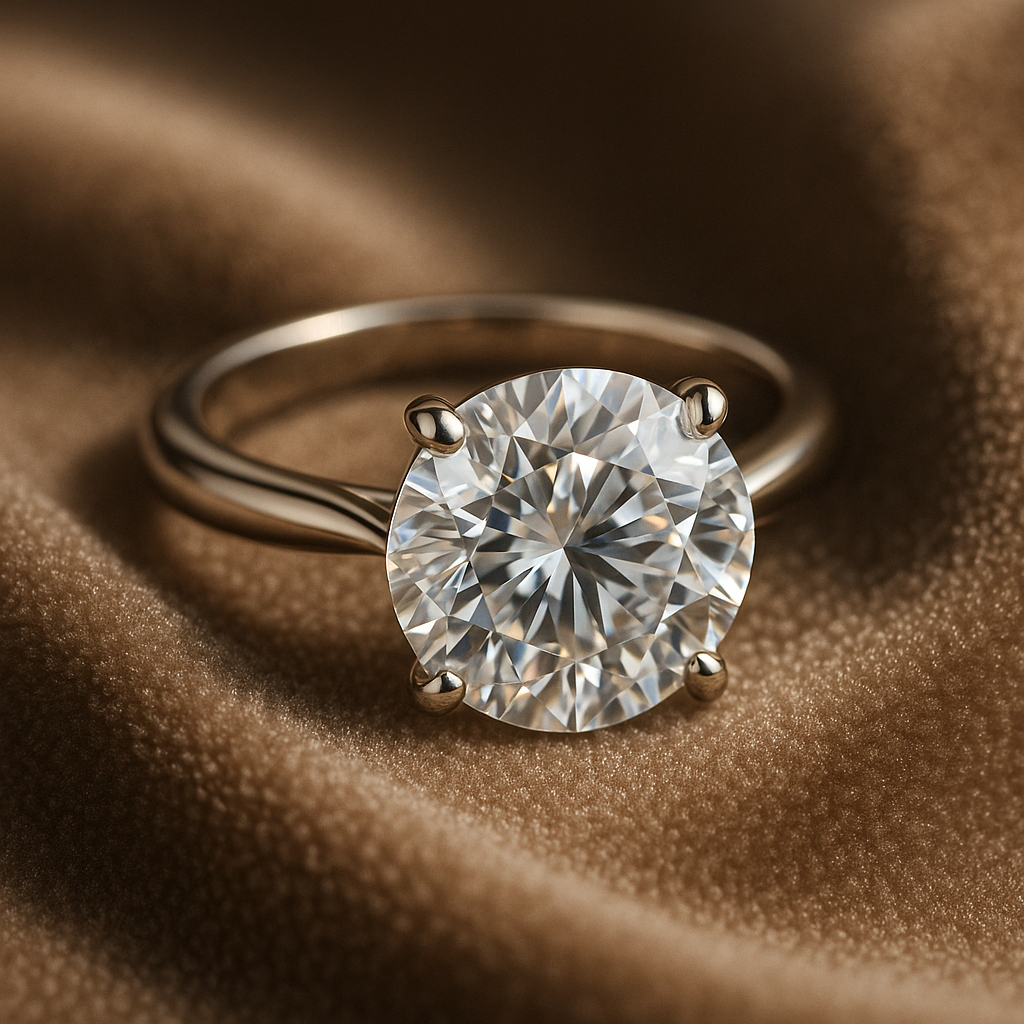
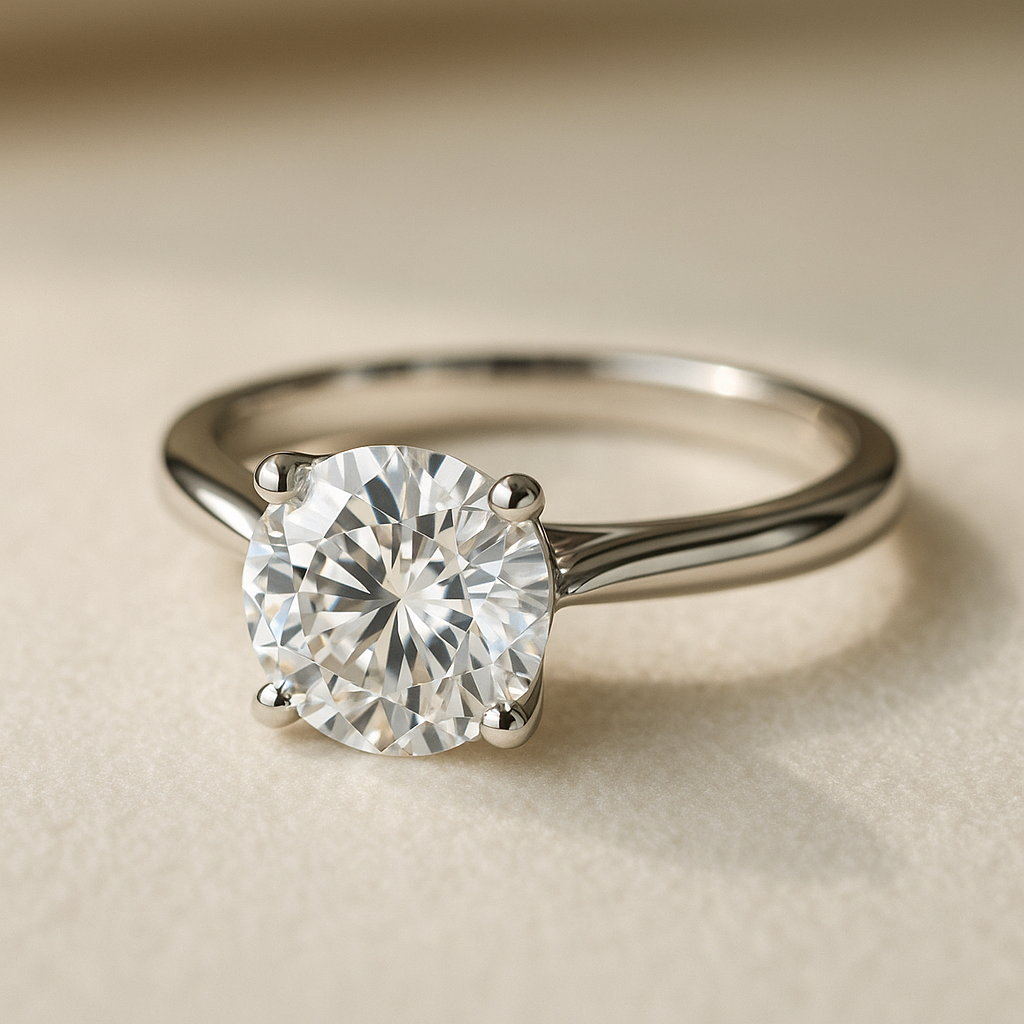
The cut of a diamond influences its brilliance and overall appearance. A well-cut lab-grown diamond will reflect light beautifully, creating that coveted sparkle. Evaluating the cut can be subjective, but the most common grades include Excellent, Very Good, Good, Fair, and Poor.
Color
Color refers to the presence of any hue in the diamond. Most consumers prefer diamonds that are colorless or near-colorless, graded as D through J on the GIA scale. Lab-grown diamonds can also be produced in a variety of colors, allowing for unique personalization.
Clarity
Clarity measures the presence of internal or external imperfections, known as inclusions and blemishes. While most diamonds have some degree of inclusions, lab-grown diamonds can be produced with fewer or less noticeable imperfections. Clarity grades range from Flawless to Included.
Carat Weight
The carat weight indicates the size of the diamond. Larger diamonds are rarer and, therefore, more expensive. Lab-grown diamonds can provide more size options within a given budget, allowing consumers to choose a more substantial stone without breaking the bank.
Pros and Cons of Lab-Grown Diamonds
As with any significant purchase, there are advantages and disadvantages to consider when buying lab-grown diamonds:
Pros
- Affordability: Lab-grown diamonds tend to be more affordable than natural diamonds, allowing consumers to maximize their investment.
- Ethical Assurance: Buyers can feel confident that their diamonds are conflict-free, making them an ethical choice.
- Customization: Many retailers offer a wide range of shapes, sizes, and colors, providing ample choices for personalization.
- Environmental Friendliness: Lab-grown diamonds have a lower ecological footprint compared to mined diamonds.
Cons
- Perceived Value: Some people still view natural diamonds as more desirable, which can affect resale value.
- Recognition: Lab-grown diamonds may not carry the same status as natural diamonds in the eyes of some consumers.
Frequently Asked Questions About Lab-Grown Diamonds
Are lab-grown diamonds real diamonds?
Yes, lab-grown diamonds are real diamonds. They have the same chemical and physical properties as natural diamonds and are graded using the same criteria.
How can I tell the difference between lab-grown and natural diamonds?
The primary difference lies in their origin. While they are nearly indistinguishable from one another, gemological laboratories can differentiate them based on their growth patterns and inclusions.
Do lab-grown diamonds last as long as natural diamonds?
Yes, lab-grown diamonds are just as durable as natural diamonds, making them a long-lasting choice for engagement rings and other fine jewelry.
Will my lab-grown diamond look different from a natural diamond?
No, lab-grown diamonds are virtually identical to natural diamonds in appearance. Any differences are imperceptible to the naked eye.
Conclusion
Lab-grown diamonds present a modern and responsible choice for consumers seeking engagement rings and fine jewelry. Their affordability, ethical considerations, and stunning beauty make them an appealing option for new generations of jewelry buyers. As you embark on your journey to find the perfect ring, consider the merits of lab-grown diamonds and the exceptional value they can bring to your special occasion. With advancements in technology and growing awareness around ethical sourcing, lab-grown diamonds are likely to continue gaining popularity in the jewelry market.