
Understanding Lab-Grown Diamonds: A Comprehensive Guide
As consumers become more discerning about their purchases, the rise of lab-grown diamonds has transformed the jewelry market. This comprehensive guide will help you understand what lab-grown diamonds are, how they compare to natural diamonds, and why they may be the perfect choice for your engagement ring or fine jewelry.
What Are Lab-Grown Diamonds?
Lab-grown diamonds, also known as synthetic or cultured diamonds, are real diamonds that are created in a controlled laboratory environment. They possess the same physical, chemical, and optical properties as natural diamonds. The primary methods for creating lab-grown diamonds are High Pressure High Temperature (HPHT) and Chemical Vapor Deposition (CVD).
High Pressure High Temperature (HPHT)
The HPHT method mimics the natural process by which diamonds are formed deep within the Earth. Under extreme heat and pressure, carbon atoms crystallize into diamonds. This method produces diamonds that are both beautiful and authentic.
Chemical Vapor Deposition (CVD)
CVD involves breaking down carbon-rich gases to form a diamond layer on a substrate. This technique allows for precise control over the diamond’s growth process and can lead to fewer impurities compared to diamonds formed by other methods.
Benefits of Lab-Grown Diamonds
Choosing a lab-grown diamond comes with several significant benefits:
1. Ethical Sourcing
Lab-grown diamonds are created in a controlled environment, eliminating concerns about human rights abuses, conflict diamonds, and environmentally damaging mining practices. This ethical sourcing makes lab-grown diamonds an appealing choice for socially conscious consumers.
2. Cost-Effective
Lab-grown diamonds typically cost 20-40% less than their natural counterparts. This price difference allows consumers to purchase larger or higher-quality stones without exceeding their budget, making it easier to find the perfect engagement ring.
3. Same Quality, Same Beauty
The quality and beauty of lab-grown diamonds are on par with natural diamonds. They are graded using the same criteria (the Four Cs: Cut, Color, Clarity, and Carat Weight) and come with certification from reputable gemological laboratories.
4. Variety of Choices
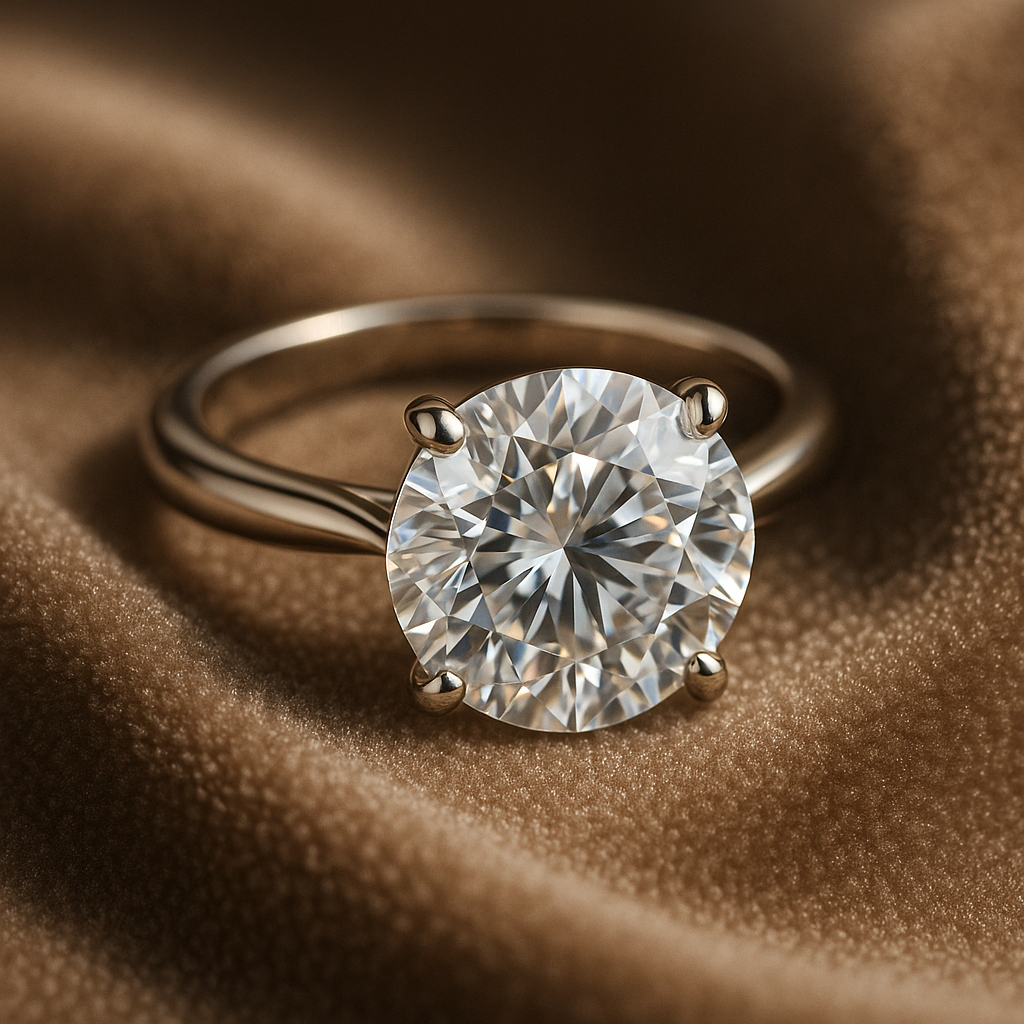
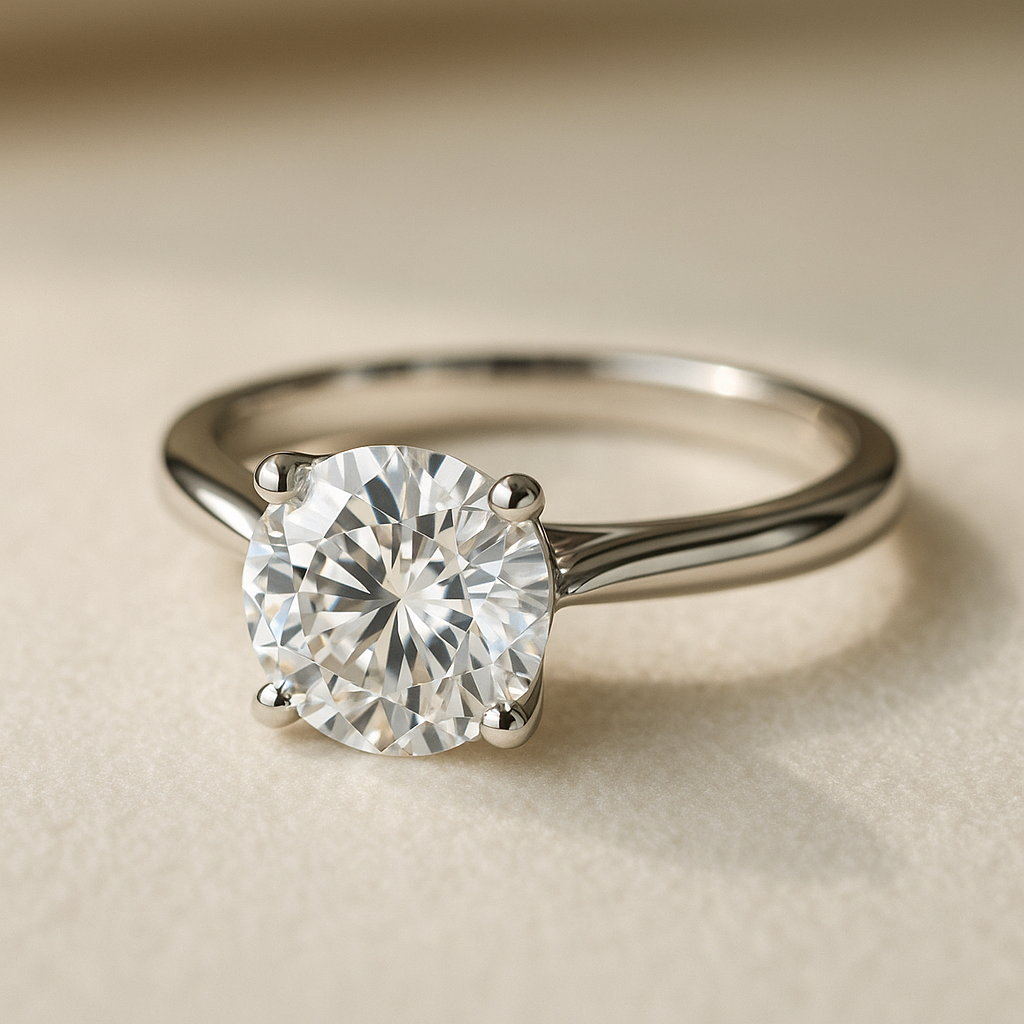
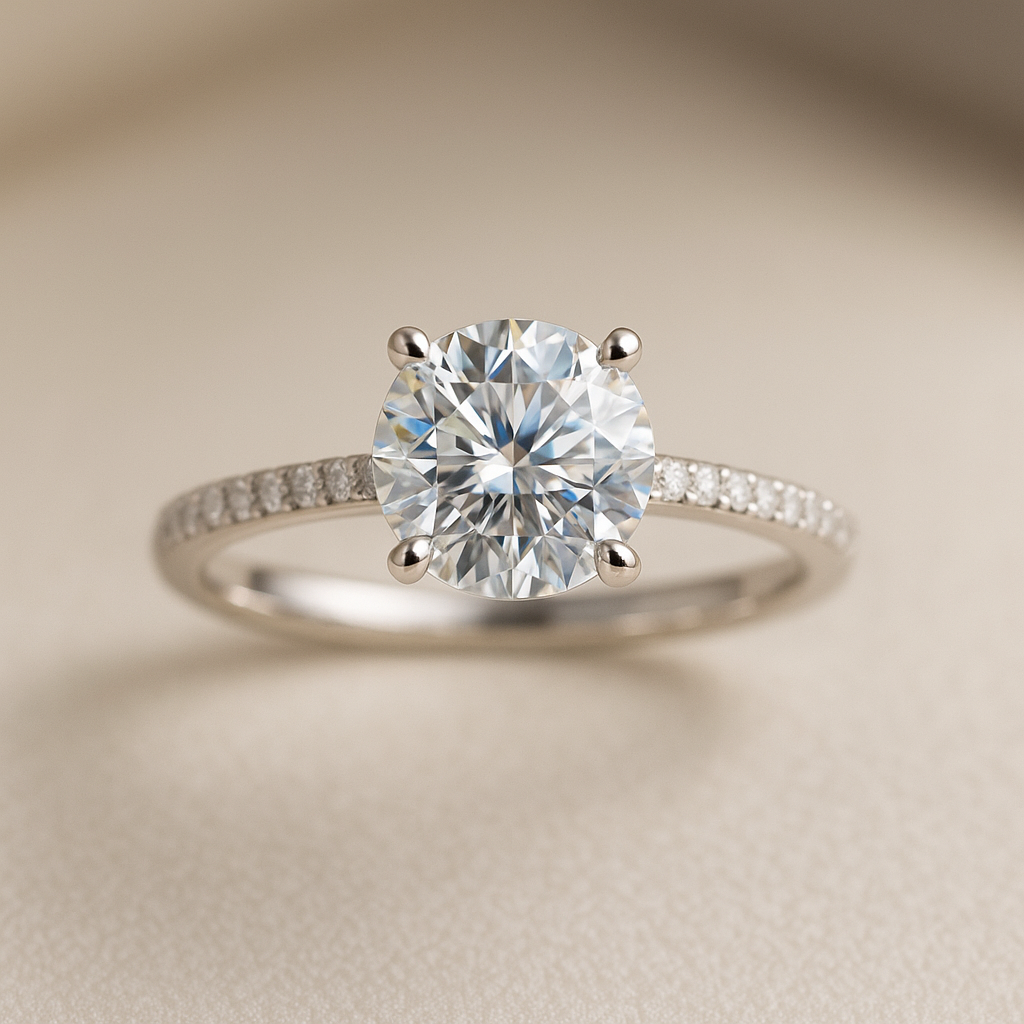
Lab-grown diamonds come in a wide range of sizes, shapes, and styles, making it easier to find a diamond that matches your aesthetic preferences. Whether you prefer a classic round cut or a trendy oval shape, there’s a lab-grown option for you.
Lab-Grown Diamonds vs. Natural Diamonds
When comparing lab-grown diamonds and natural diamonds, it’s essential to understand the distinctions in terms of value, resale, and emotional significance.
Value and Resale
Lab-grown diamonds tend to maintain less resale value compared to natural diamonds. This is partly due to the perception that natural diamonds are rarer and therefore more valuable. However, as consumer awareness of lab-grown diamonds increases, their market value may stabilize over time.
Emotional Significance
For some, the allure of a natural diamond lies in its natural origin and rarity. Others may feel that the ethical considerations and affordability of lab-grown diamonds enhance their personal significance. Ultimately, this choice is deeply personal and varies for each individual.
Frequently Asked Questions
Are lab-grown diamonds real?
Yes, lab-grown diamonds are real diamonds. They have the same chemical composition, physical properties, and brilliance as natural diamonds.
How can I tell if a diamond is lab-grown?
Lab-grown diamonds can be identified through advanced gemological testing. They often come with certification indicating their origin, and some may even have inscriptions on the girdle confirming they are lab-grown.
Do lab-grown diamonds get cloudy over time?
No, lab-grown diamonds do not cloud over time. They are durable and maintain their brilliance, just like natural diamonds, provided they are cared for properly.
Can I have a custom engagement ring with a lab-grown diamond?
Absolutely! Many jewelers offer custom engagement ring designs featuring lab-grown diamonds, allowing you to create a unique piece that reflects your style.
Are lab-grown diamonds better for the environment?
Lab-grown diamonds typically have a lower environmental impact than natural diamonds, which require extensive mining. However, it’s essential to research and choose a reputable lab that follows sustainable practices.
Conclusion
Lab-grown diamonds offer a beautiful, ethical, and cost-effective alternative to natural diamonds. As you consider your options for an engagement ring or fine jewelry, think about the values that matter most to you. In a world where conscious consumerism is increasingly important, lab-grown diamonds stand out as a choice that combines luxury with responsibility.