The Comprehensive Guide to Lab-Grown Diamonds in 2026
In recent years, lab-grown diamonds have emerged as a popular choice for consumers seeking engagement rings and fine jewelry. This guide aims to provide in-depth knowledge about lab-grown diamonds, helping you make an informed decision when comparing them to natural diamonds.
What Are Lab-Grown Diamonds?
Lab-grown diamonds, also known as synthetic or cultured diamonds, are real diamonds that are created in controlled laboratory environments. They possess the same physical, chemical, and optical properties as natural diamonds, which are formed over millions of years beneath the Earth’s surface.
How Lab-Grown Diamonds Are Made
There are two main methods for creating lab-grown diamonds: the High Pressure High Temperature (HPHT) method and Chemical Vapor Deposition (CVD). Both methods simulate the natural conditions under which diamonds form.
High Pressure High Temperature (HPHT)
The HPHT process mimics the extreme heat and pressure found in the Earth’s mantle. A diamond seed is placed in a chamber with carbon and then exposed to high pressure and temperature, causing the carbon to crystallize into a diamond.
Chemical Vapor Deposition (CVD)
CVD involves placing a diamond seed in a chamber filled with carbon-rich gases. These gases are heated, causing carbon atoms to deposit onto the seed and form a diamond layer. This method allows for more control over the diamond’s properties and can result in larger stones.
Lab-Grown vs. Natural Diamonds
When comparing lab-grown diamonds and natural diamonds, several factors come into play:
1. Pricing
Lab-grown diamonds are generally 20% to 40% less expensive than their natural counterparts. This price difference makes it possible for consumers to purchase larger or higher-quality stones for the same budget.
2. Environmental Impact
Lab-grown diamonds are often considered more environmentally friendly than mined diamonds. The diamond mining industry can have significant ecological consequences, whereas lab-grown diamonds minimize land disruption and reduce carbon footprints.
3. Ethical Considerations
Lab-grown diamonds eliminate many ethical concerns associated with conflict diamonds and unethical mining practices. Consumers looking for ethically sourced jewelry often find lab-grown options to be a more appealing choice.
Quality and Popularity
Lab-grown diamonds are graded using the same criteria as natural diamonds: the Four Cs – cut, color, clarity, and carat weight. They come in various shapes and sizes, and advancements in technology continue to enhance their quality.
Cut
The cut of a diamond greatly influences its brilliance. Lab-grown diamonds can be cut to maximize light performance, showcasing their beauty.
Color
Lab-grown diamonds are available in a wide range of colors, from colorless to fancy shades. The color grades of lab-grown diamonds can often match or exceed those of natural diamonds.
Clarity
Thanks to their controlled creation process, lab-grown diamonds often have fewer inclusions and blemishes compared to natural diamonds, leading to higher clarity grades.
Popular Lab-Grown Diamond Jewelry Trends
As lab-grown diamonds gain popularity, they are increasingly featured in various types of jewelry:
Engagement Rings
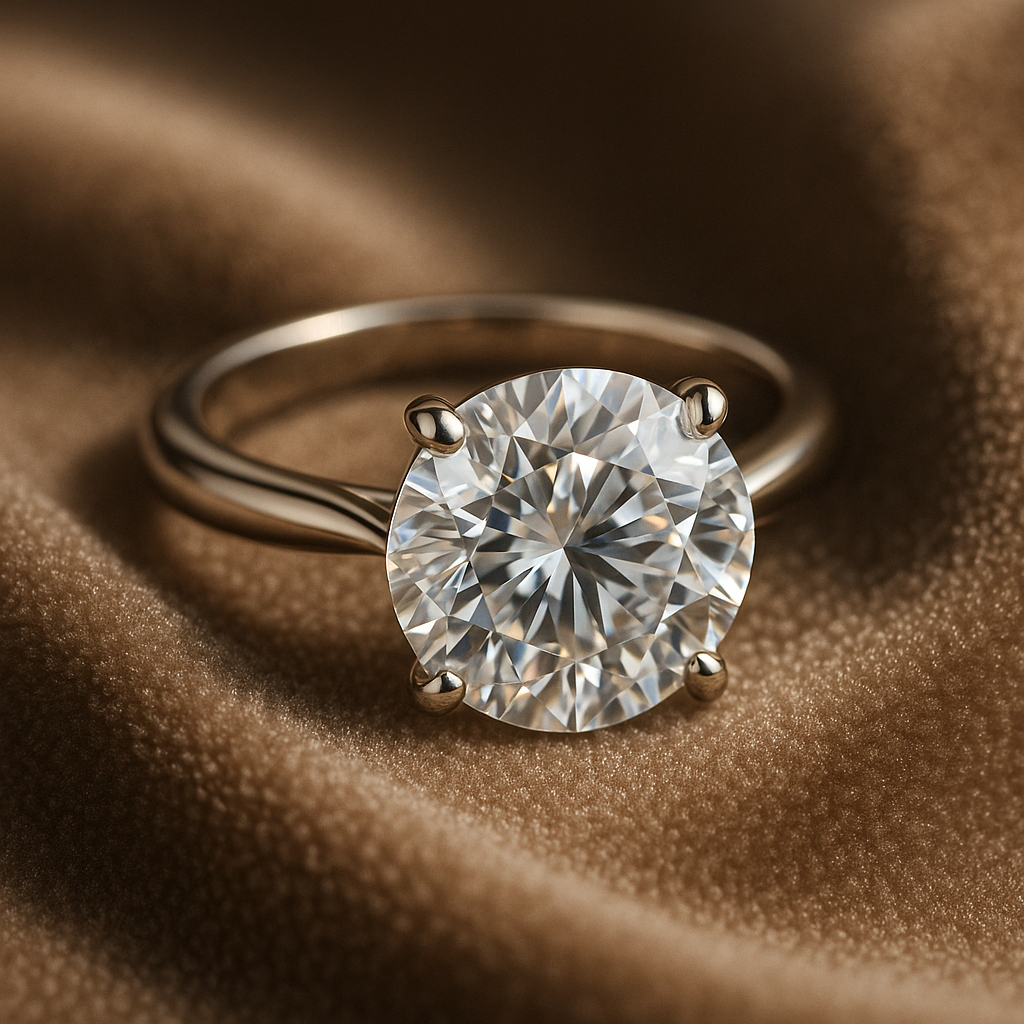
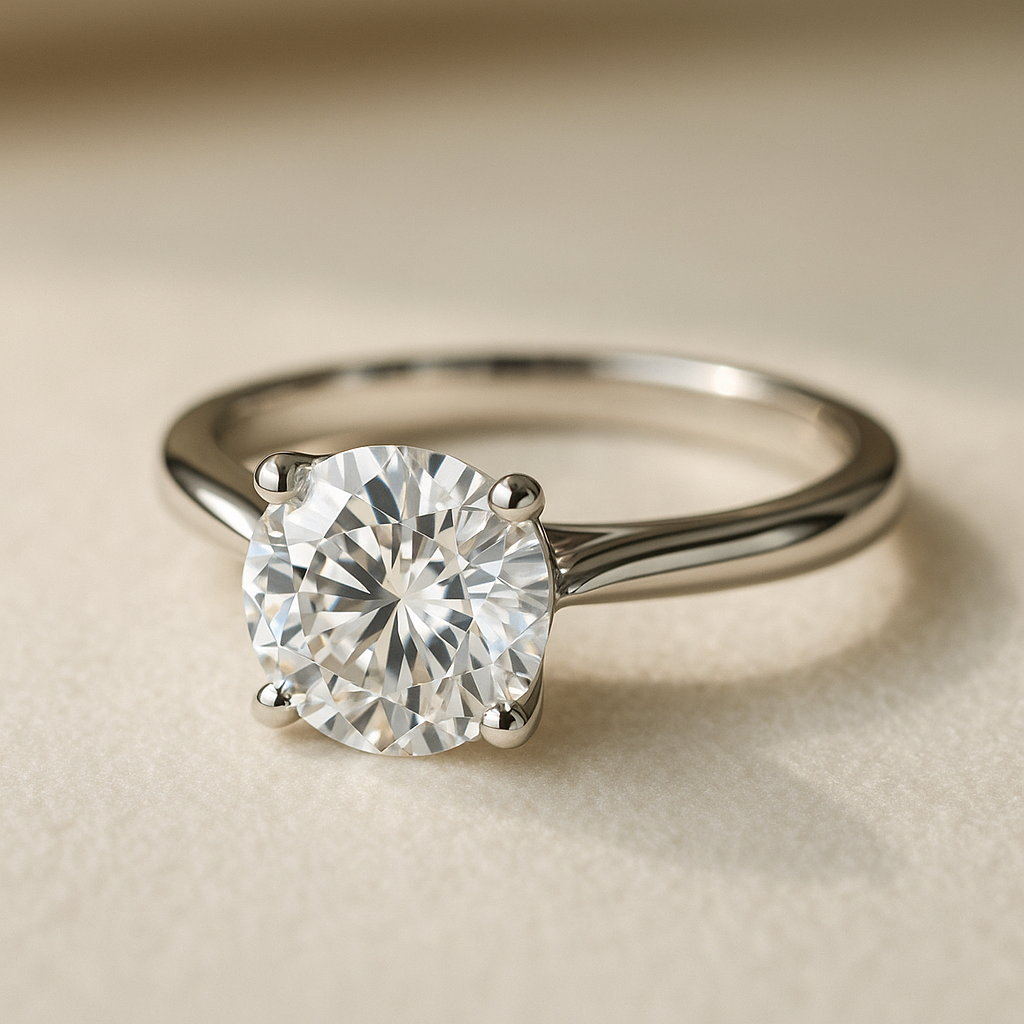
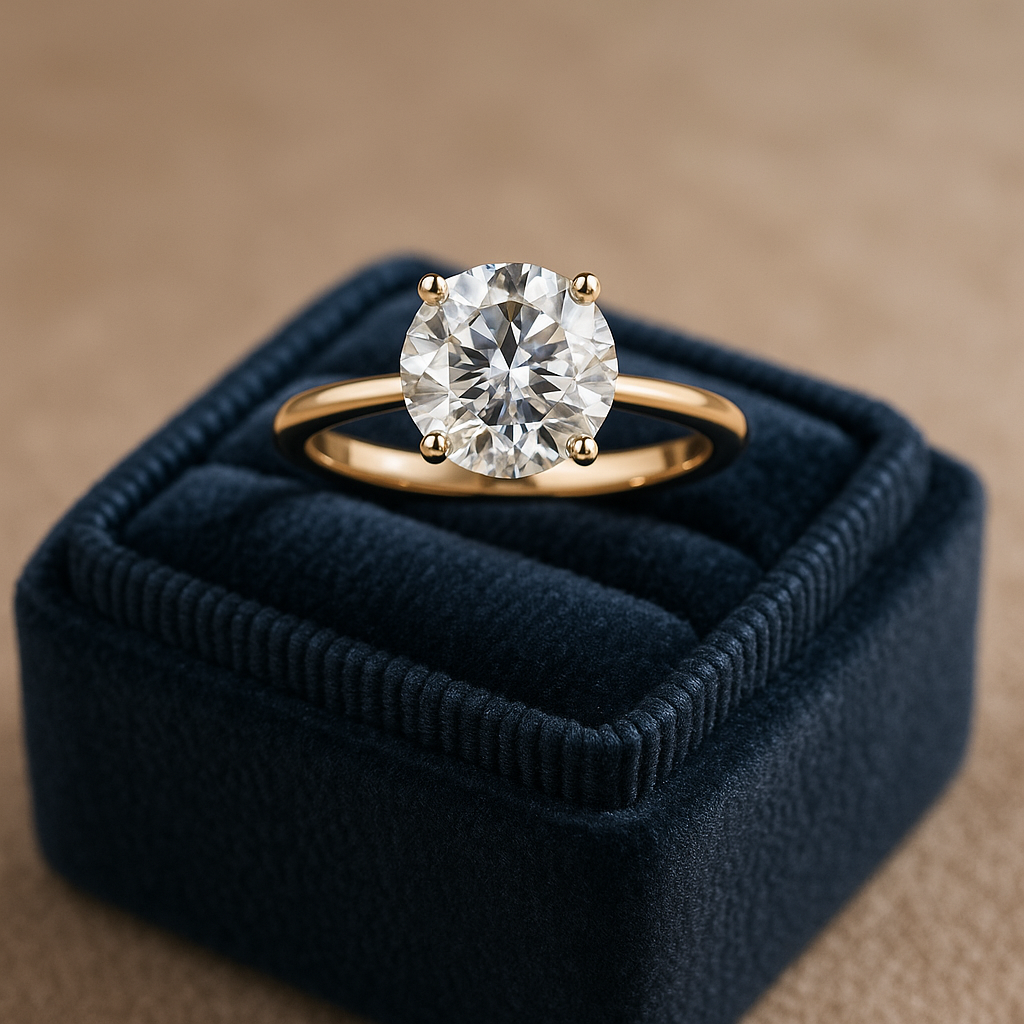
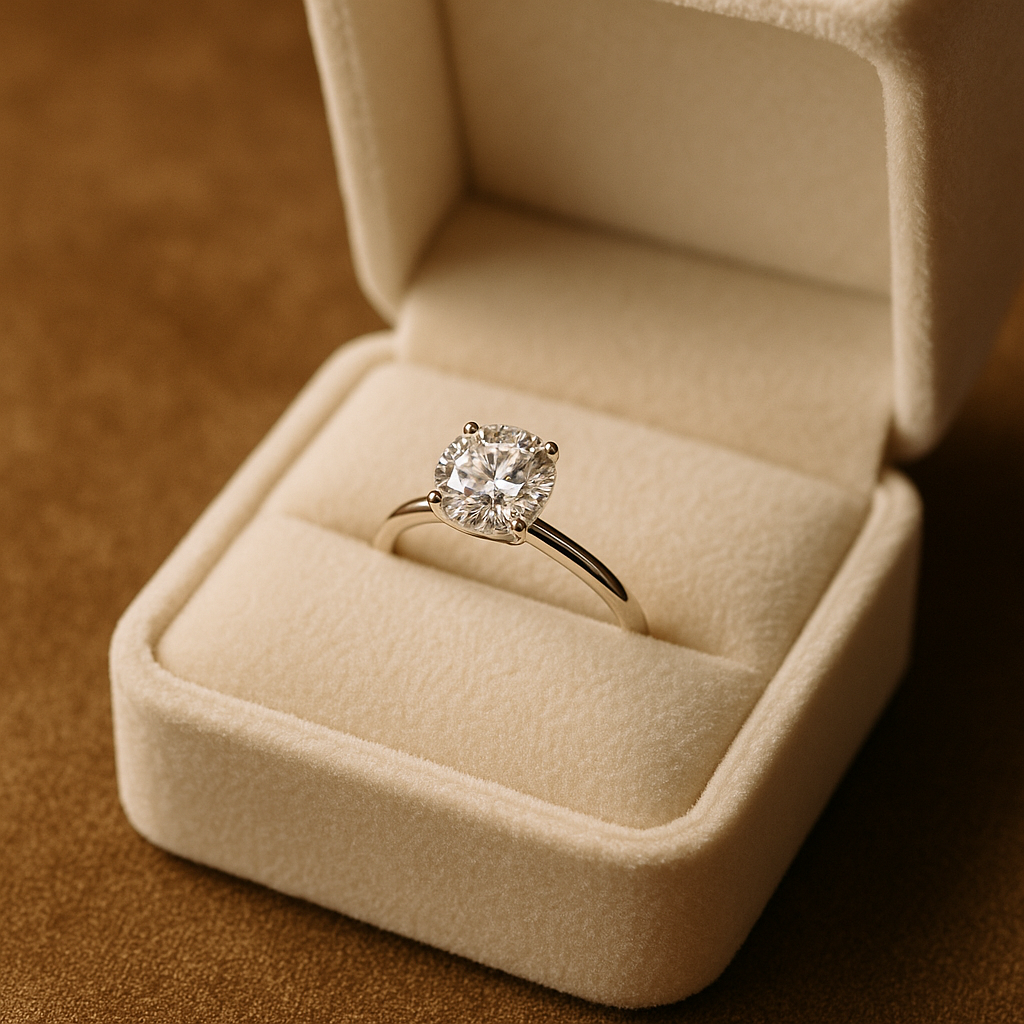
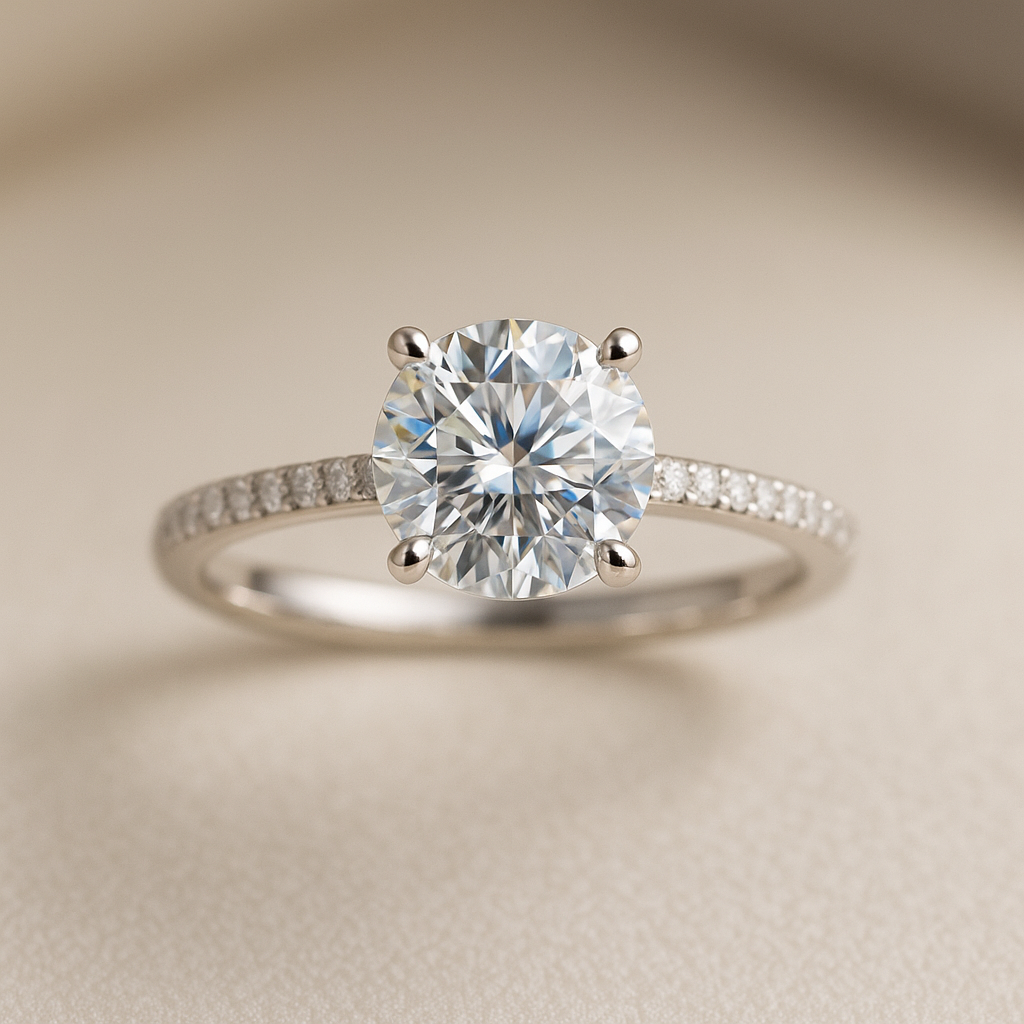
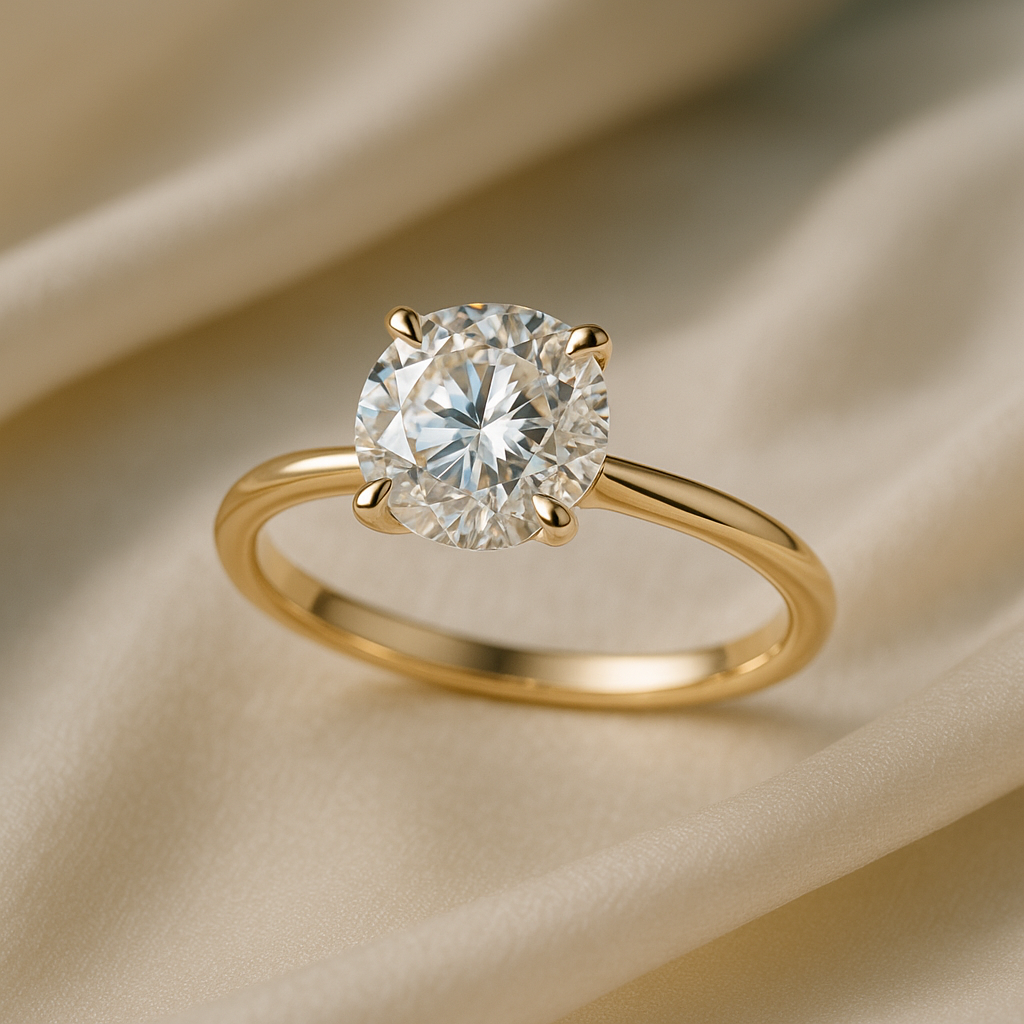
Lab-grown diamonds are particularly popular for engagement rings, offering an ethical and budget-friendly alternative without sacrificing quality. Customization options are plentiful, allowing couples to create unique designs.
Fine Jewelry
Lab-grown diamonds are also making their mark in fine jewelry collections, including necklaces, bracelets, and earrings. Their affordability allows for more intricate designs that might be cost-prohibitive with natural diamonds.
Frequently Asked Questions (FAQs)
Are lab-grown diamonds real diamonds?
Yes, lab-grown diamonds are real diamonds. They have the same chemical composition and physical properties as natural diamonds.
How can I tell if a diamond is lab-grown?
Lab-grown diamonds may come with a grading report from a reputable gemological laboratory that specifies whether they’re natural or lab-grown. Additionally, specialized equipment can detect the growth patterns unique to lab-grown diamonds.
Do lab-grown diamonds lose value?
Lab-grown diamonds typically do not hold their value as well as natural diamonds. However, they offer significant savings upfront, making them a practical choice for many consumers.
What should I consider when buying a lab-grown diamond?
Consider the Four Cs (cut, color, clarity, carat weight), your budget, and the source of the diamond. Ensure you purchase from a reputable retailer that provides certification for authenticity.
Conclusion
Lab-grown diamonds present a compelling choice for consumers looking for beautiful, ethical, and budget-friendly options. With their growing popularity and technological advancements, they continue to revolutionize the jewelry industry. Whether you’re shopping for an engagement ring or a unique piece of fine jewelry, lab-grown diamonds deserve your consideration.