Understanding Lab-Grown Diamonds: The Future of Fine Jewelry
In recent years, lab-grown diamonds have emerged as a transformative option in the fine jewelry market, particularly for engagement rings. With increasing consumer awareness and evolving technology, these gemstones offer a sustainable and ethical alternative to mined diamonds. This article explores the characteristics, benefits, and comparisons of lab-grown versus natural diamonds, helping you make an informed decision when shopping.
What Are Lab-Grown Diamonds?
Lab-grown diamonds, also known as synthetic or cultured diamonds, are real diamonds that are created in controlled lab environments. They possess the same physical, chemical, and optical properties as natural diamonds, which are formed over millions of years beneath the Earth’s crust. The primary methods for producing lab-grown diamonds include High Pressure High Temperature (HPHT) and Chemical Vapor Deposition (CVD).
How Are Lab-Grown Diamonds Made?
The HPHT method simulates the natural diamond-forming process by using high pressure and high temperature to transform carbon into diamond. Conversely, the CVD process involves using a gas mixture to deposit carbon atoms onto a substrate, gradually building up a diamond crystal layer by layer. Both techniques result in diamonds that are virtually indistinguishable from their mined counterparts.
Benefits of Choosing Lab-Grown Diamonds
1. Ethical Considerations
One of the strongest selling points of lab-grown diamonds is their ethical implications. Traditional diamond mining has been associated with human rights abuses, environmental destruction, and conflict financing. Lab-grown diamonds, on the other hand, are produced without the same controversies, making them a more ethical choice.
2. Environmental Impact
The environmental footprint of lab-grown diamonds is significantly lower compared to mined diamonds. While mining requires extensive land disruption and can lead to ecosystem degradation, lab-grown diamonds are produced using a fraction of the resources and with minimal environmental impact.
3. Cost Efficiency
Lab-grown diamonds are often 20-40% less expensive than their natural counterparts. This price advantage allows consumers to purchase larger or higher-quality stones for the same budget, offering better value for money in the long run.
4. Purity and Quality
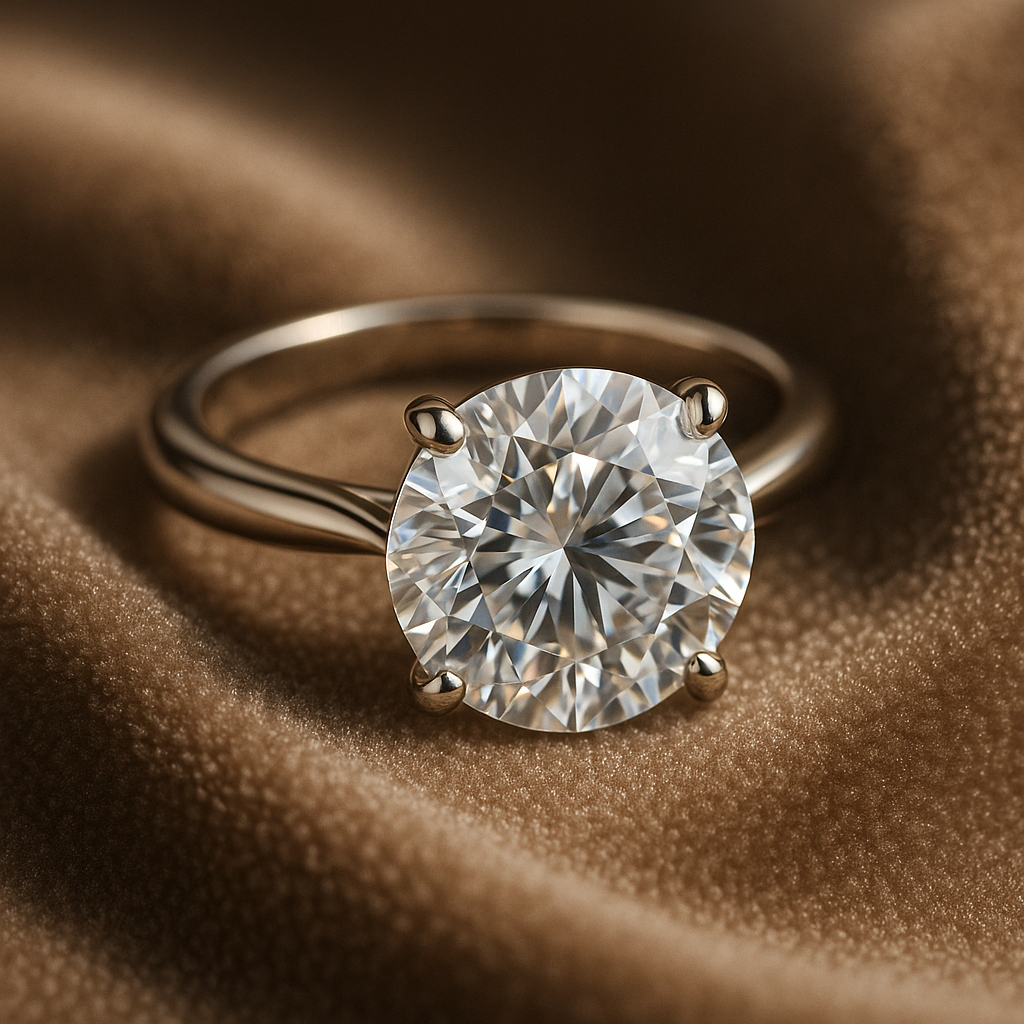
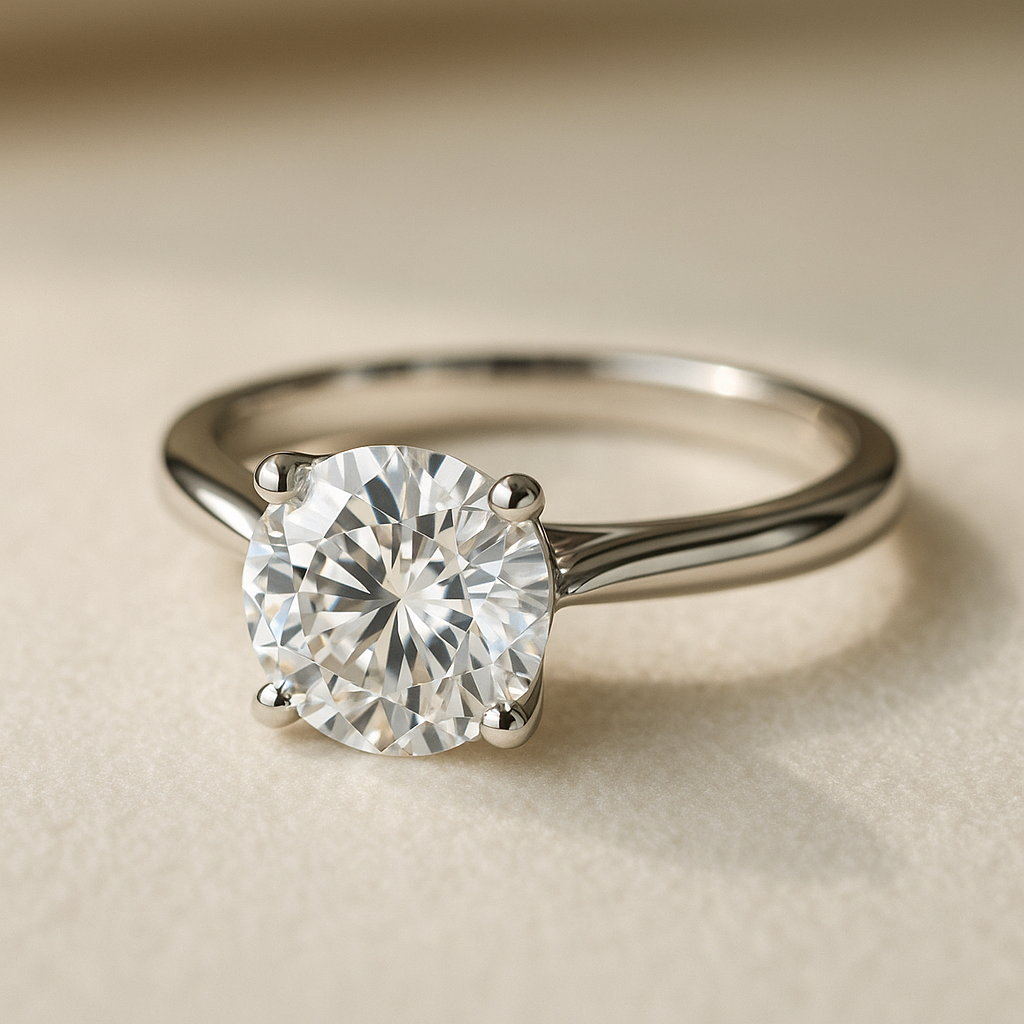
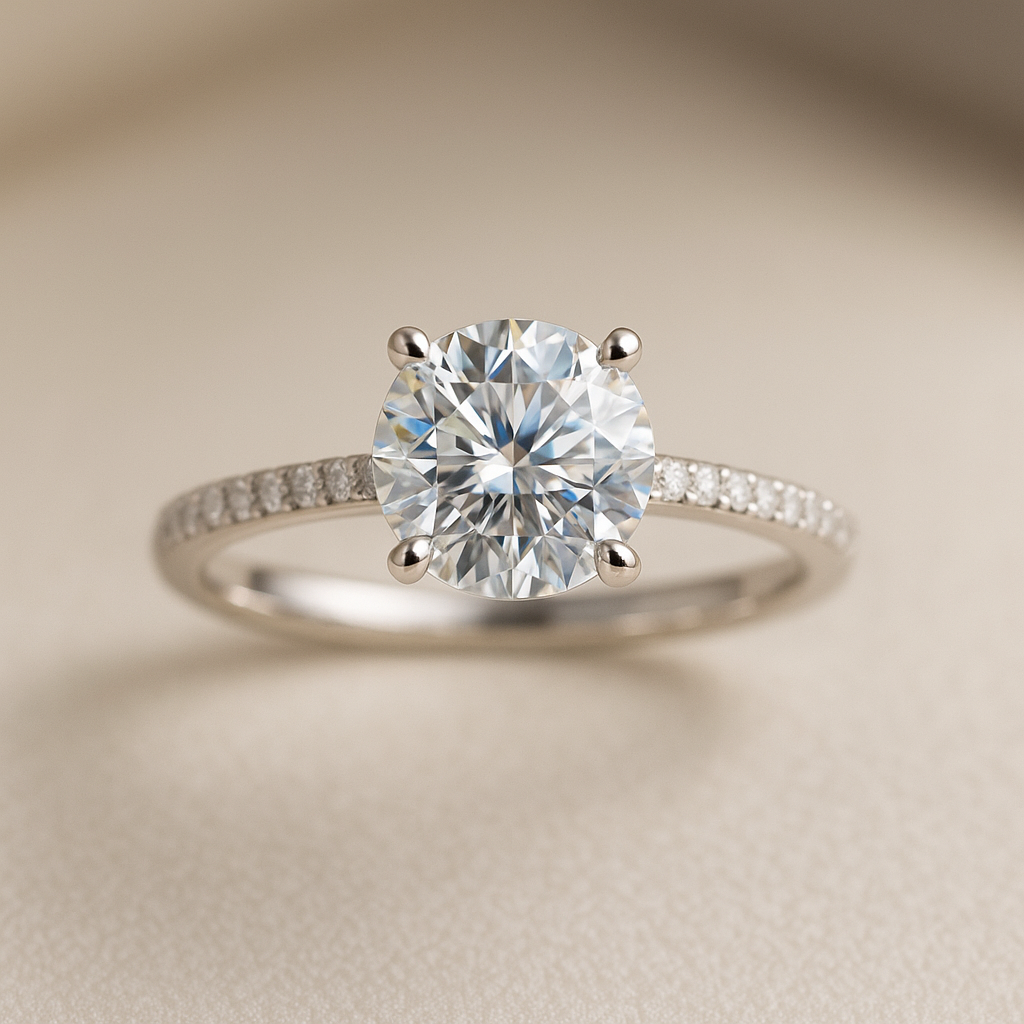
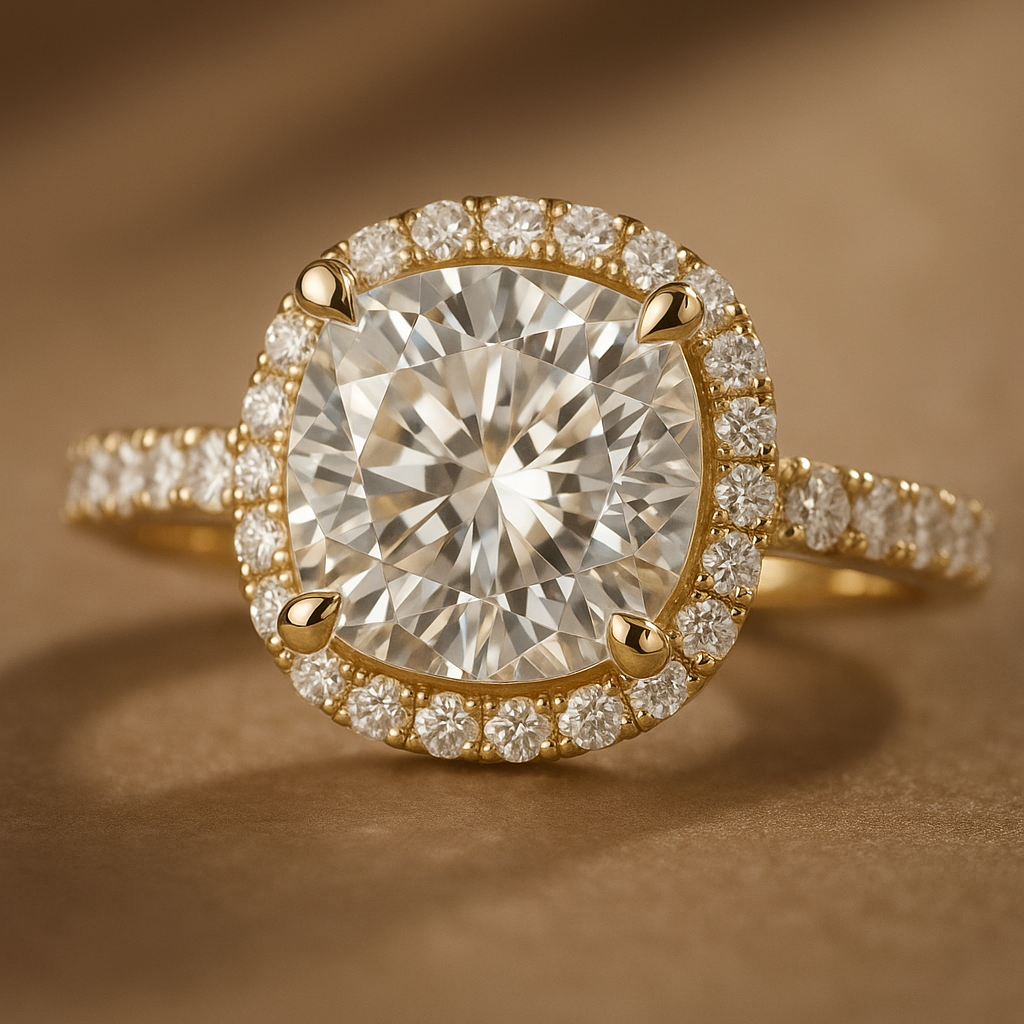
Lab-grown diamonds are typically superior in purity. Since they are created in a controlled environment, they are less likely to have inclusions or imperfections. This means you can often find a more brilliant and flawless diamond for your engagement ring.
Comparing Lab-Grown and Natural Diamonds
Durability and Longevity
Both lab-grown and natural diamonds boast a rating of 10 on the Mohs scale, indicating they are equally durable and long-lasting. This means that whether you choose lab-grown or natural, they will withstand the test of time and maintain their brilliance.
Value Retention
It’s important to note that lab-grown diamonds typically do not hold their value as well as natural diamonds. Natural diamonds have a long-standing market history and tend to appreciate in value over time, whereas lab-grown diamonds are viewed more as fashion items. If resale value is a significant factor for you, this is something to consider.
Market Perception
Natural diamonds have traditionally been valued for their rarity, while lab-grown diamonds are often perceived as more accessible. However, as awareness about the ethical implications of diamond sourcing increases, the perception of lab-grown diamonds is evolving. More consumers are prioritizing sustainability and ethical sourcing over traditional notions of rarity.
Frequently Asked Questions (FAQs)
Are lab-grown diamonds real diamonds?
Yes, lab-grown diamonds are real diamonds. They have the same chemical composition and physical properties as natural diamonds, making them indistinguishable without specialized equipment.
How can I tell if a diamond is lab-grown or natural?
While most lab-grown diamonds are graded and certified similarly to natural diamonds by reputable gemological laboratories, some may come with specific reports indicating their origin. If in doubt, consult with a reputable jeweler.
Do lab-grown diamonds last as long as natural diamonds?
Absolutely. Lab-grown and natural diamonds are equally durable and will last a lifetime, making them both excellent choices for engagement rings and fine jewelry.
Can lab-grown diamonds be resold?
Yes, lab-grown diamonds can be resold, but it’s important to note that their resale value is typically lower compared to natural diamonds.
What should I consider when buying a lab-grown diamond?
When purchasing a lab-grown diamond, pay attention to the 4 Cs: cut, color, clarity, and carat weight. Additionally, consider the certification from a recognized gemological authority.
Conclusion
Lab-grown diamonds represent a significant shift in the jewelry industry, prioritizing ethical sourcing, environmental sustainability, and cost-effectiveness. Understanding the nuances between lab-grown and natural diamonds empowers consumers to make informed decisions that align with their values and preferences. Whether you choose a lab-grown or natural diamond, the most important aspect is the sentiment and love it represents as you embark on a journey of commitment and celebration.