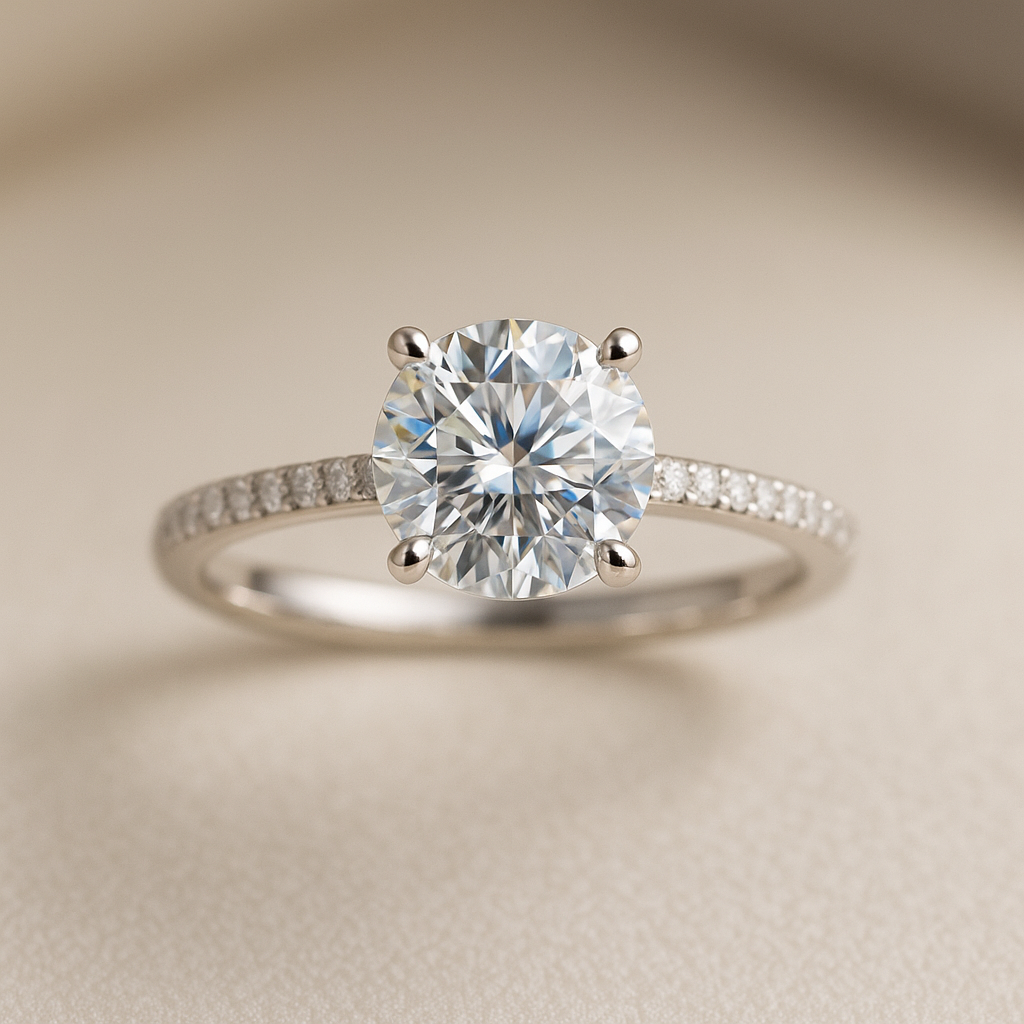

Understanding Lab-Grown Diamonds: An In-Depth Guide
As couples embark on the journey of choosing the perfect engagement ring, they often face a significant decision: whether to select a lab-grown diamond or a natural diamond. In recent years, lab-grown diamonds have emerged as a popular choice, offering both ethical and environmental advantages. This comprehensive guide will delve into what lab-grown diamonds are, how they compare to natural diamonds, and why they might be the right choice for your engagement ring or fine jewelry.
What Are Lab-Grown Diamonds?
Lab-grown diamonds, also known as synthetic or cultured diamonds, are real diamonds created in controlled environments using advanced technological processes. They share the same physical, chemical, and optical properties as natural diamonds, which means they are composed of carbon atoms arranged in a crystal structure. The primary methods for producing lab-grown diamonds are High Pressure High Temperature (HPHT) and Chemical Vapor Deposition (CVD).
How Are Lab-Grown Diamonds Made?
High Pressure High Temperature (HPHT)
The HPHT method mimics the natural processes that create diamonds deep within the Earth. By exposing carbon to extreme heat and pressure, a diamond crystal is formed. This method was the first technology developed for producing synthetic diamonds and is still widely used today.
Chemical Vapor Deposition (CVD)
The CVD process involves placing a diamond seed in a chamber with carbon-rich gas, which then breaks down and allows carbon atoms to deposit onto the seed, gradually growing a diamond crystal. This method is known for producing high-quality diamonds and allows for more control over the final product.
Lab-Grown Diamonds vs. Natural Diamonds
When comparing lab-grown diamonds to their natural counterparts, several key differences and similarities should be considered:
1. Composition and Quality
Both lab-grown and natural diamonds are made of carbon and have the same physical and chemical properties. They can both be graded using the four Cs: cut, color, clarity, and carat weight. Lab-grown diamonds often receive high grades in these categories, thanks to the controlled environment in which they are created.
2. Ethical Considerations
One of the most significant advantages of lab-grown diamonds is their ethical sourcing. Natural diamonds can sometimes be associated with conflicts, human rights abuses, and environmental degradation. In contrast, lab-grown diamonds are produced in a way that ensures no negative social or environmental impact.
3. Cost
Lab-grown diamonds typically cost 20-40% less than natural diamonds of similar size and quality. This price difference can allow buyers to invest in a larger or higher-quality diamond without breaking their budget.
4. Resale Value
Natural diamonds have historically held their value well, while lab-grown diamonds tend to depreciate more significantly over time. This factor is important for buyers considering the long-term investment aspect of their purchase.
The Growing Popularity of Lab-Grown Diamonds
Lab-grown diamonds have seen a surge in popularity in recent years. According to industry reports, consumer awareness and acceptance of lab-grown diamonds are on the rise, with many shoppers actively seeking them out. Factors contributing to this trend include:
- Informed Consumers: More consumers are researching their options and becoming aware of the ethical and environmental benefits of lab-grown diamonds.
- Social Media and Marketing: Jewelry brands are increasingly promoting lab-grown diamonds through social media, highlighting their benefits and unique features.
- Celebrity Influence: Many celebrities and influencers are choosing lab-grown diamonds for their engagement rings, further bolstering their appeal.
Frequently Asked Questions (FAQs)
Are lab-grown diamonds real diamonds?
Yes, lab-grown diamonds are real diamonds. They have the same physical, chemical, and optical properties as natural diamonds.
Can lab-grown diamonds be distinguished from natural diamonds?
Lab-grown diamonds can be distinguished from natural diamonds using advanced gemological equipment. However, to the naked eye, they appear identical.
Do lab-grown diamonds last as long as natural diamonds?
Yes, lab-grown diamonds are just as durable as natural diamonds and will last a lifetime.
Will a lab-grown diamond lose its value?
Lab-grown diamonds generally have a lower resale value compared to natural diamonds, primarily due to market demand and supply dynamics.
Conclusion: Making the Right Choice for You
The choice between a lab-grown diamond and a natural diamond ultimately depends on your values, preferences, and budget. Lab-grown diamonds offer compelling benefits, including ethical sourcing, lower costs, and high quality. On the other hand, natural diamonds carry a historical allure and potential for value retention. Regardless of your choice, both options provide stunning and meaningful symbols of love and commitment that can be cherished for a lifetime.