Understanding Lab-Grown Diamonds: A Guide for Smart Shoppers
In recent years, lab-grown diamonds have taken the jewelry market by storm, offering a stunning and sustainable alternative to natural diamonds. As consumers increasingly prioritize eco-friendliness and ethical sourcing, many find themselves asking: what exactly are lab-grown diamonds, and how do they compare to their natural counterparts? In this comprehensive guide, we’ll delve into the world of lab-grown diamonds, exploring their creation, benefits, and what you should consider when purchasing one.
What Are Lab-Grown Diamonds?
Lab-grown diamonds, also known as synthetic or cultured diamonds, are gemstones that are created in controlled laboratory environments using advanced technology. These diamonds have the same physical, chemical, and optical properties as natural diamonds, which means they are composed of carbon atoms arranged in a crystal structure. The two primary methods for creating lab-grown diamonds are High Pressure High Temperature (HPHT) and Chemical Vapor Deposition (CVD).
High Pressure High Temperature (HPHT)
The HPHT method replicates the high-pressure and high-temperature conditions under which natural diamonds form deep within the Earth. By mimicking these conditions, scientists can produce diamonds that are virtually indistinguishable from those mined from the ground.
Chemical Vapor Deposition (CVD)
The CVD method involves vaporizing carbon-rich gases, which then crystallize on a substrate, forming a diamond layer. This process allows for greater control over the diamond’s characteristics, such as size and clarity, making it a popular choice for lab-grown diamond production.
Benefits of Lab-Grown Diamonds
Choosing a lab-grown diamond comes with several compelling advantages that resonate with today’s conscious consumers:
1. Ethical Sourcing
Lab-grown diamonds eliminate the concerns associated with conflict diamonds, or “blood diamonds,” which are mined in war zones and sold to finance armed conflict. By opting for lab-grown, consumers can ensure their purchase is ethically sourced.
2. Environmental Impact
The environmental footprint of lab-grown diamonds is significantly lower than that of natural diamonds. Mining natural diamonds can lead to habitat destruction, soil erosion, and water pollution. In contrast, lab-grown diamonds require less land and produce fewer emissions.
3. Cost-Effectiveness
Lab-grown diamonds are typically 20-40% less expensive than natural diamonds of comparable size and quality. This cost savings allows consumers to either choose a larger stone or save money for other aspects of their engagement or fine jewelry purchase.
4. Quality and Variety
Lab-grown diamonds can be created in various sizes and qualities, providing a wider selection for consumers. Additionally, advancements in technology mean that lab-grown diamonds often have fewer inclusions and blemishes compared to natural diamonds.
Comparing Lab-Grown Diamonds to Natural Diamonds
When it comes to deciding between lab-grown and natural diamonds, it’s essential to understand the key differences and similarities:
1. Appearance
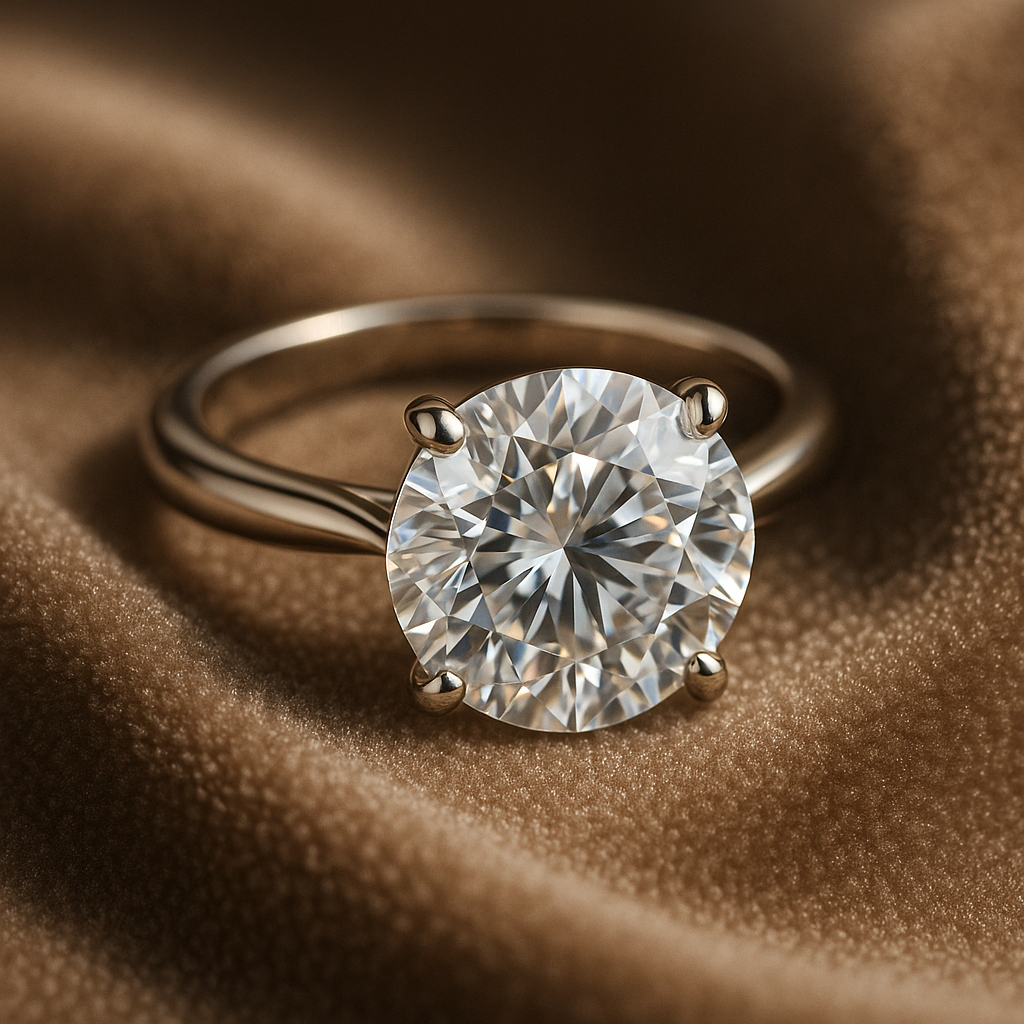
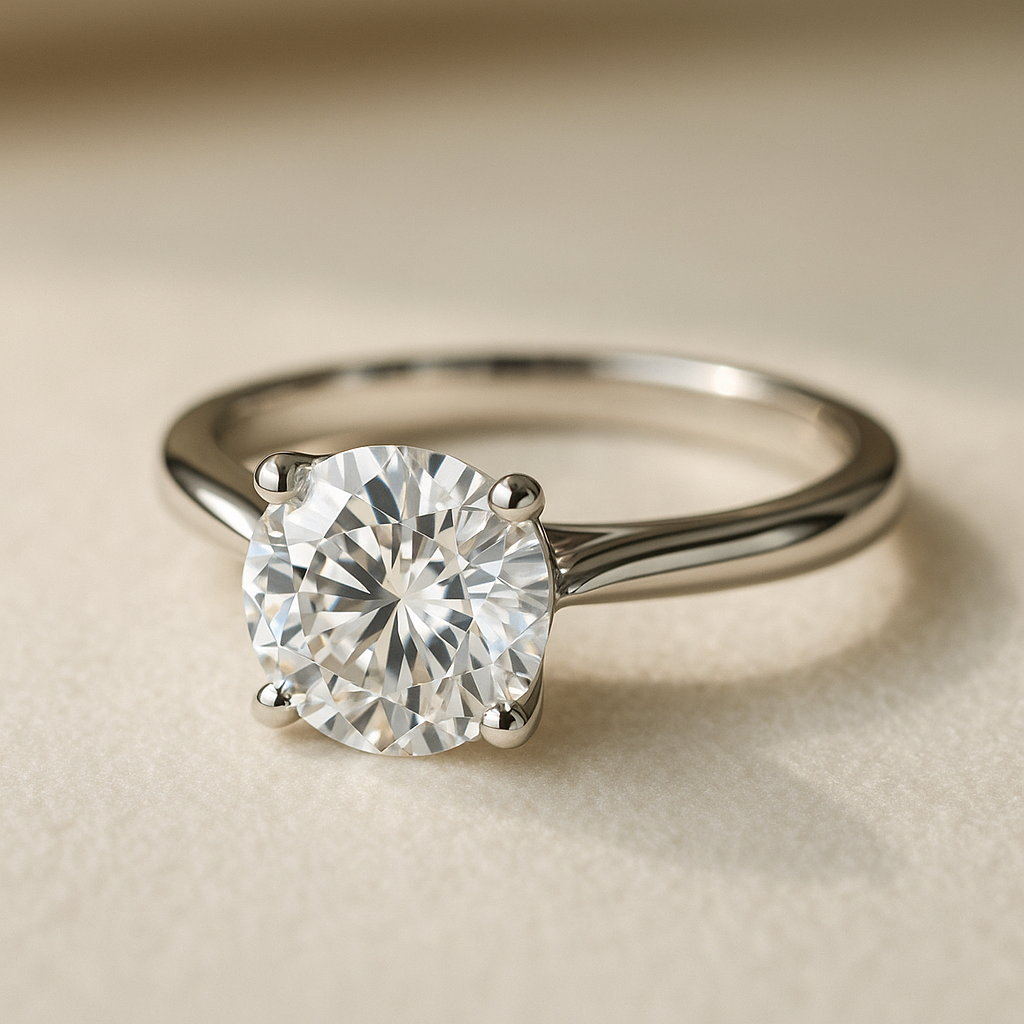
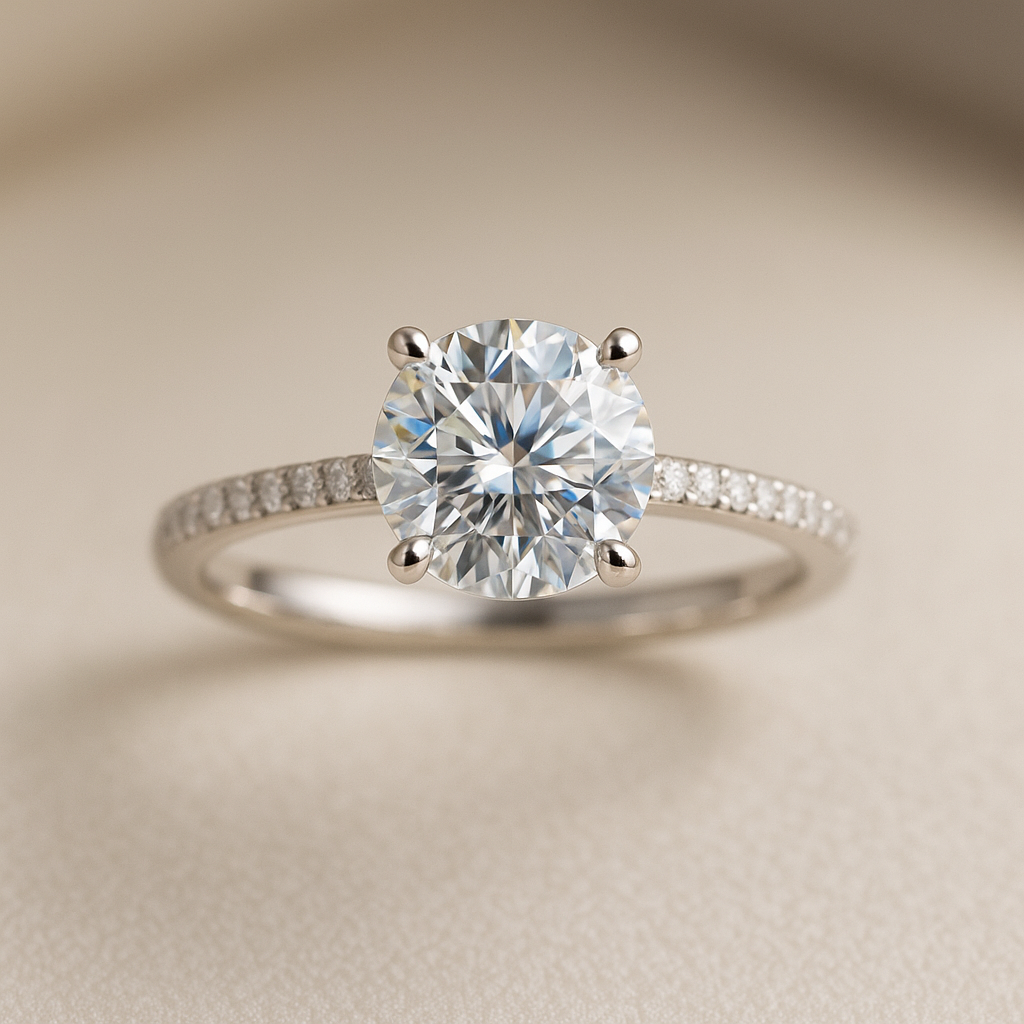
Visually, lab-grown and natural diamonds are nearly identical. Both types of diamonds are graded using the same criteria: the Four Cs—cut, color, clarity, and carat weight. However, lab-grown diamonds often achieve a higher clarity grade due to fewer natural imperfections.
2. Value Retention
Natural diamonds have historically retained their value well and are often seen as an investment. Lab-grown diamonds, while less expensive upfront, may not hold their value as effectively due to the potential for increased supply and manufacturing advancements. Consumers should consider their long-term goals when purchasing.
3. Certification
Both lab-grown and natural diamonds can be certified by reputable gemological laboratories. Look for certifications from well-known organizations like the Gemological Institute of America (GIA) or the International Gemological Institute (IGI) to ensure the quality and authenticity of your diamond.
Making an Informed Purchase
As with any significant purchase, it is crucial to do your research before buying a lab-grown diamond. Here are some tips to guide you:
1. Understand Your Preferences
Consider what matters most to you. Are you prioritizing ethical sourcing, cost, or long-term value? Answering these questions will help you make a more informed decision.
2. Compare Options
Take the time to compare various retailers, both online and in-store. Look for trusted brands that provide detailed information about their diamonds, including origin, grading, and pricing.
3. Ask Questions
Don’t hesitate to ask sellers about the specifics of their lab-grown diamonds. A reputable jeweler will be more than willing to answer your questions and provide transparency about their products.
4. Consider a Design That Speaks to You
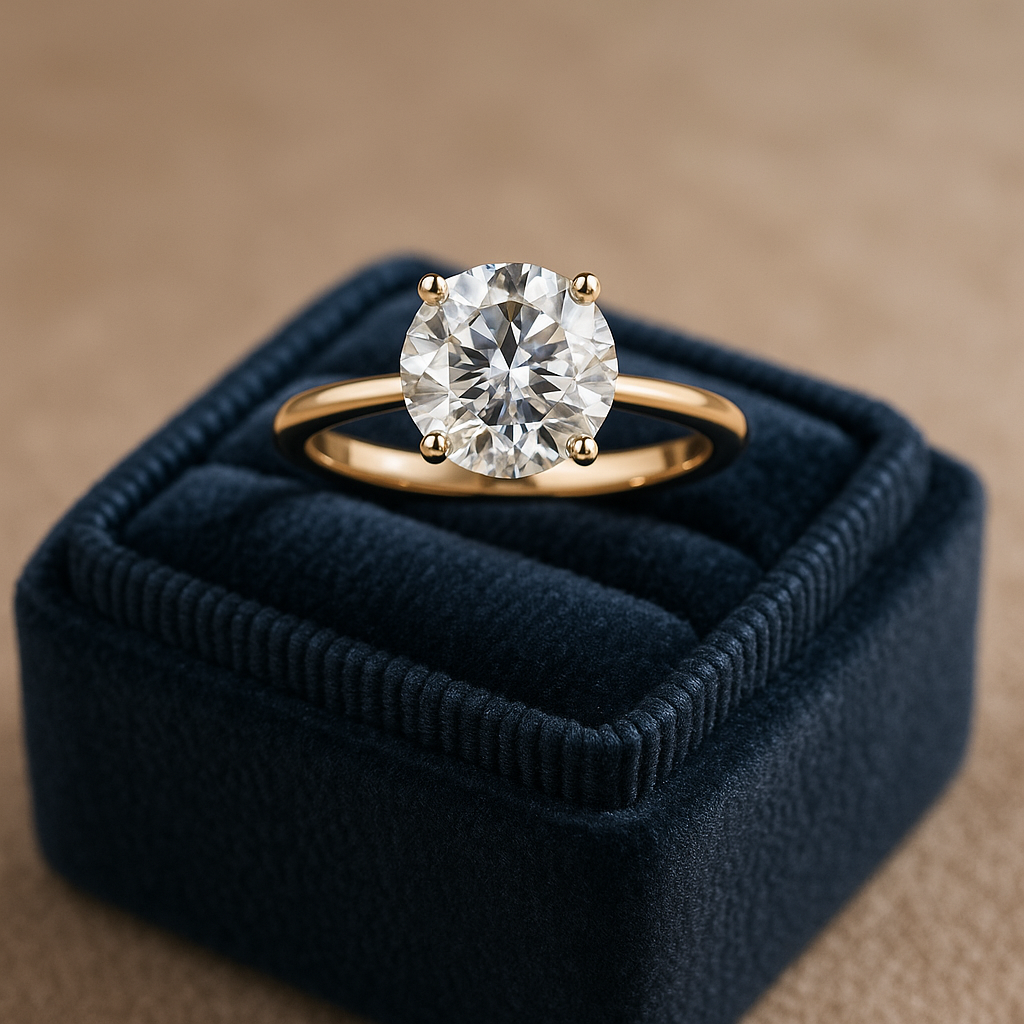
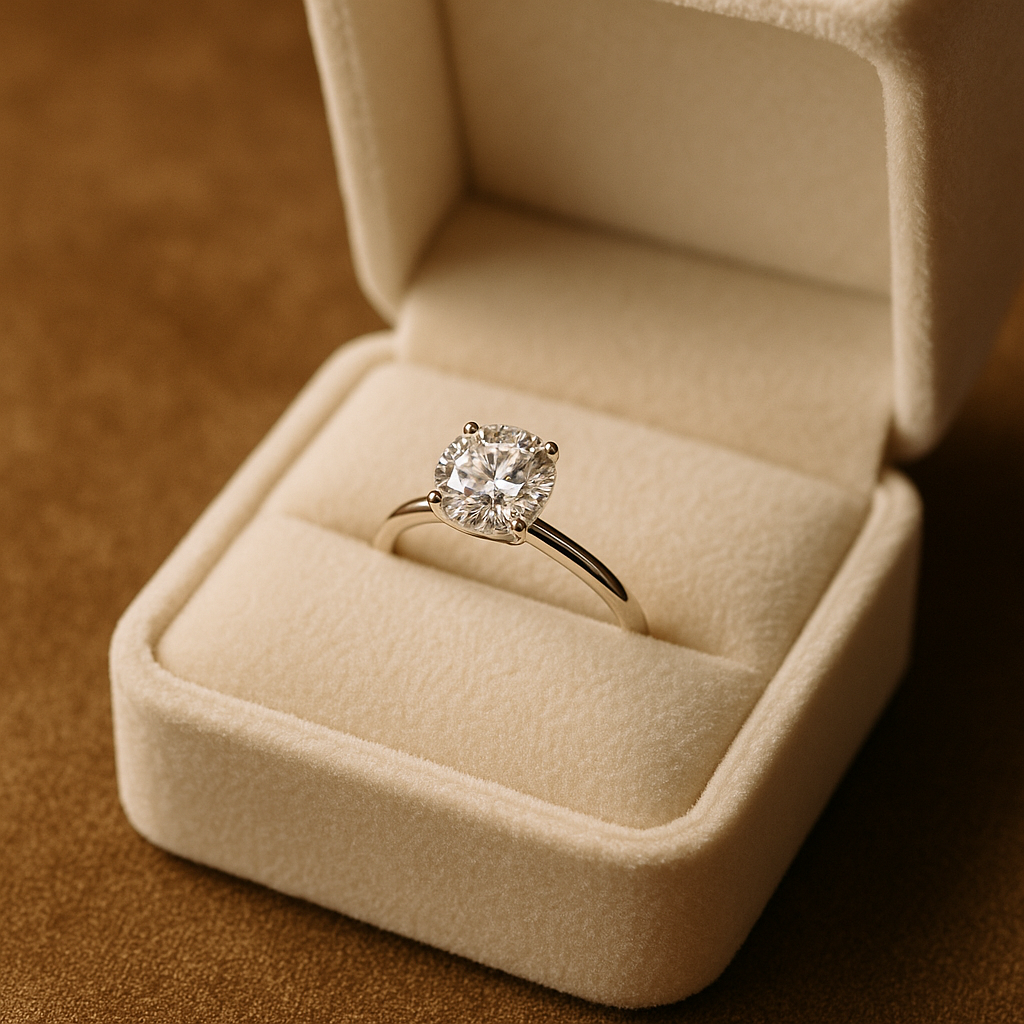
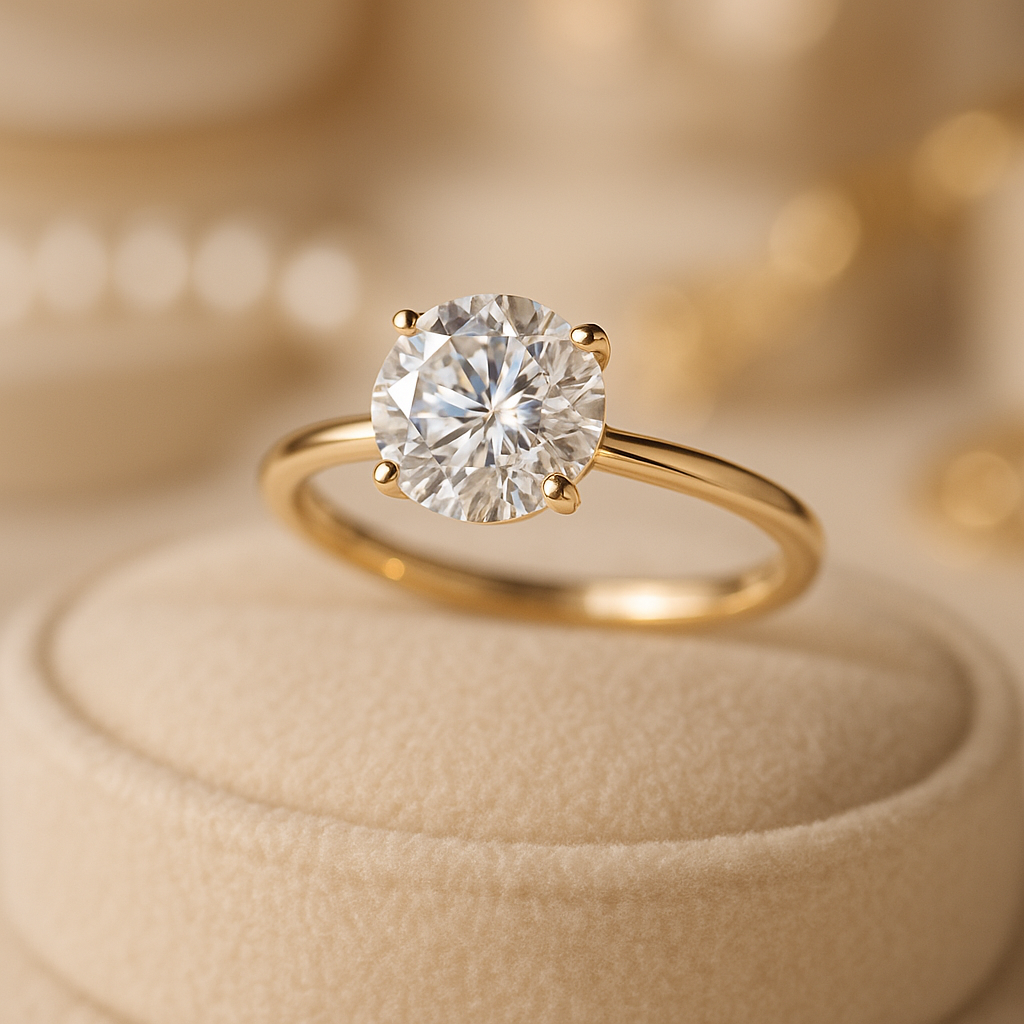
Whether you choose a lab-grown or natural diamond, find a setting and style that reflects your personality and taste. Engagement rings come in countless designs, so take your time to explore options that resonate with you.
Frequently Asked Questions (FAQ)
Are lab-grown diamonds real diamonds?
Yes, lab-grown diamonds are real diamonds. They have the same physical, chemical, and optical properties as natural diamonds.
Do lab-grown diamonds last as long as natural diamonds?
Absolutely! Both lab-grown and natural diamonds are equally durable and will last forever with proper care.
How can I tell if a diamond is lab-grown or natural?
The best way to determine the origin of a diamond is through professional certification from a reputable gemological laboratory, which will indicate whether it is lab-grown or natural.
What is the price difference between lab-grown and natural diamonds?
Lab-grown diamonds are generally more affordable than natural diamonds, often priced 20-40% lower for comparable quality and size.
Conclusion
Lab-grown diamonds represent a modern solution for those seeking beauty, quality, and ethical responsibility in their jewelry. As technology continues to advance, the appeal of lab-grown diamonds will likely grow, making them a popular choice among discerning shoppers. Whether you’re purchasing an engagement ring or fine jewelry, understanding the nuances of lab-grown diamonds empowers you to make an informed choice that aligns with your values and preferences.