Understanding Lab-Grown Diamonds: A Modern Choice for Engagement Rings
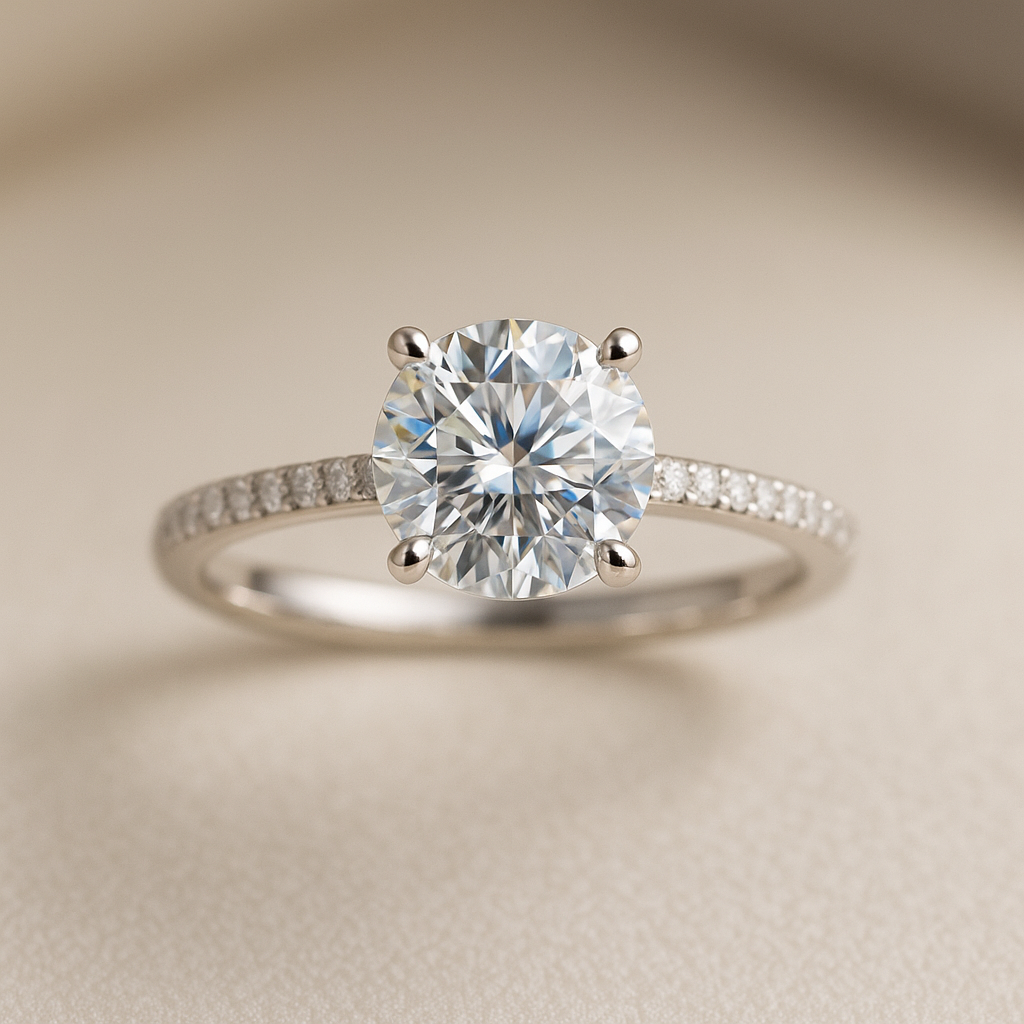
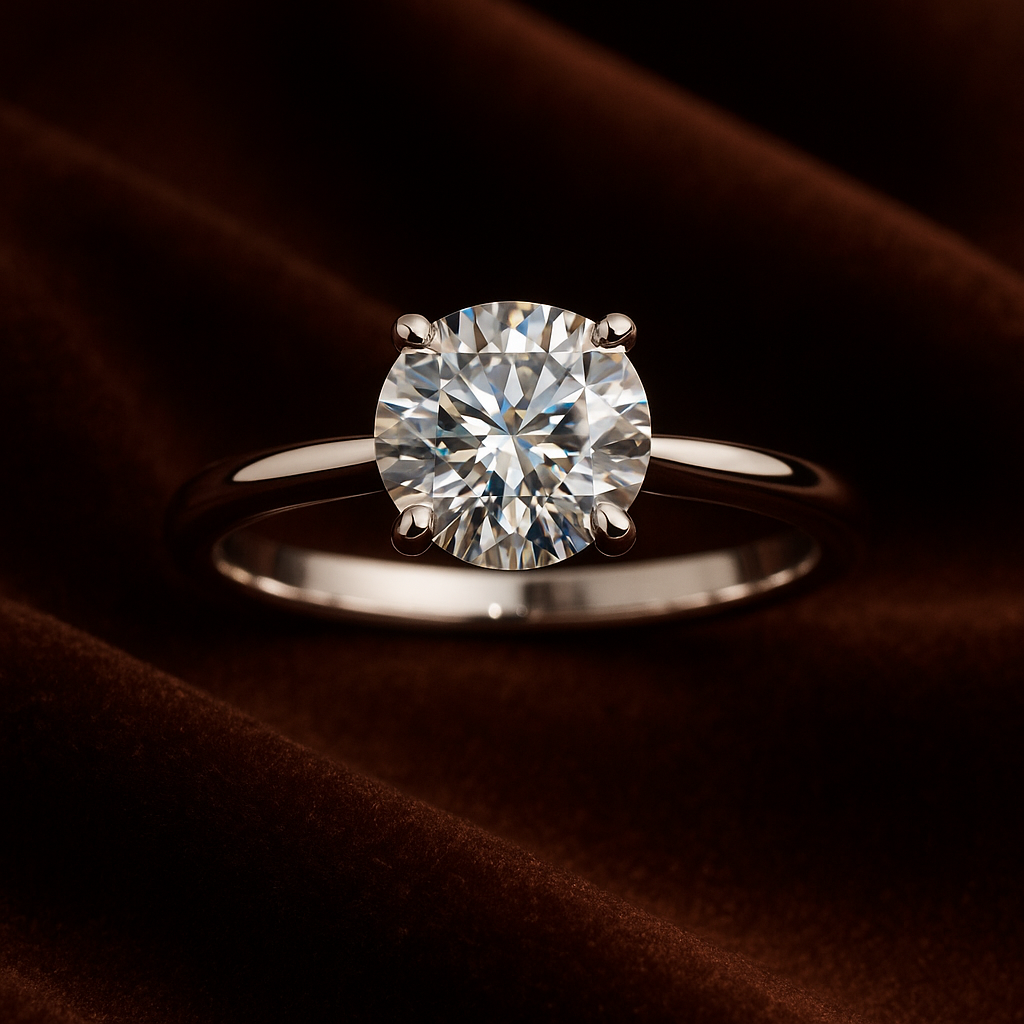
As couples embark on the journey of selecting the perfect engagement ring, the conversation around diamonds has evolved significantly in recent years. Lab-grown diamonds have emerged as a popular choice, captivating the attention of individuals seeking ethical, environmentally friendly, and cost-effective options. In this article, we will explore what lab-grown diamonds are, how they compare to natural diamonds, and why they could be the ideal choice for your special moment.
What Are Lab-Grown Diamonds?
Lab-grown diamonds, also known as synthetic or cultured diamonds, are created using advanced technological processes that mimic the natural conditions under which diamonds form in the Earth. There are two primary methods used to create these diamonds: High Pressure High Temperature (HPHT) and Chemical Vapor Deposition (CVD).
Both methods produce diamonds that are chemically, physically, and optically identical to their natural counterparts. This means that lab-grown diamonds have the same hardness, brilliance, and fire as natural diamonds, and they are graded using the same standards, known as the 4Cs: cut, color, clarity, and carat weight.
The Benefits of Choosing Lab-Grown Diamonds
- Ethical Considerations: One of the most compelling reasons to choose lab-grown diamonds is their ethical nature. Unlike natural diamonds, which can sometimes be associated with conflict and unethical mining practices, lab-grown diamonds are created in controlled environments, ensuring that no human rights abuses are involved in their production.
- Environmental Impact: The environmental footprint of lab-grown diamonds is significantly lower than that of mined diamonds. Mining for natural diamonds can lead to habitat destruction and pollution, while lab-grown diamonds require fewer resources and generate less waste.
- Affordability: Lab-grown diamonds are typically 20-40% less expensive than natural diamonds of comparable quality. This cost-effectiveness allows consumers to invest in larger or higher quality diamonds without exceeding their budget.
- Transparency: The process of creating lab-grown diamonds is transparent, providing consumers with a clear understanding of the diamond’s origin and production.
Comparing Lab-Grown Diamonds and Natural Diamonds
When it comes to choosing between lab-grown and natural diamonds, it’s essential to consider various factors:
1. Visual Quality
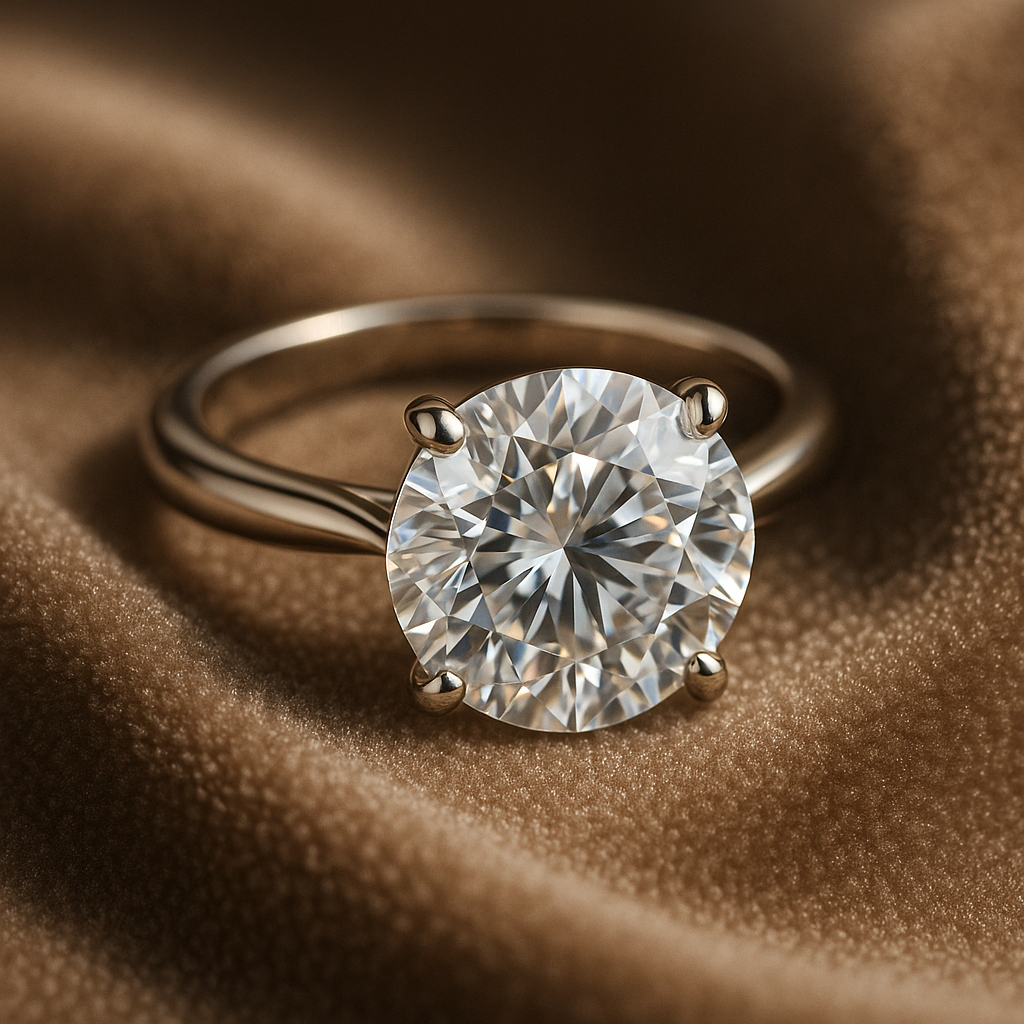
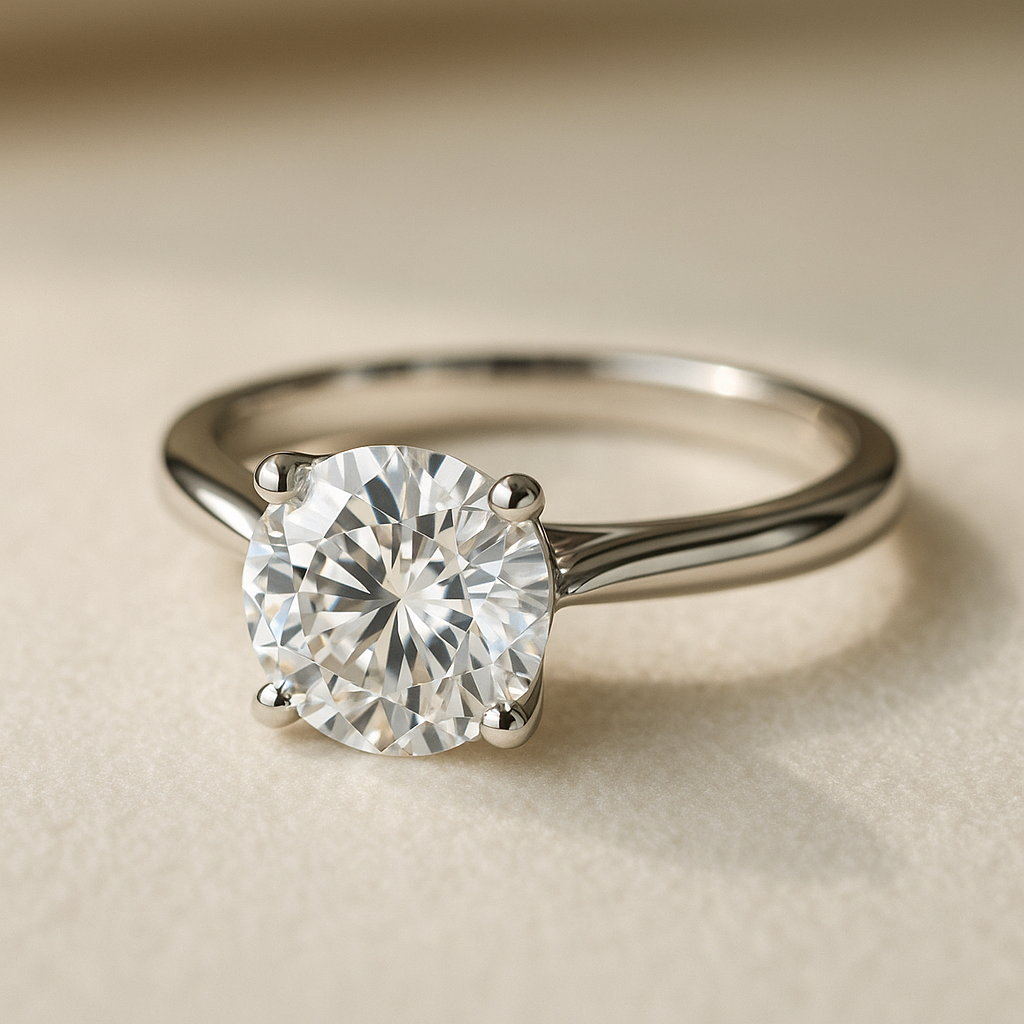
Both lab-grown and natural diamonds can be stunningly beautiful. The visual quality is determined by the same grading criteria. Lab-grown diamonds can even exceed the quality of many natural diamonds since they are crafted with precision in a controlled environment.
2. Resale Value
Natural diamonds generally have a higher resale value compared to lab-grown diamonds. However, the market for lab-grown diamonds is evolving, and some retailers are now offering buy-back programs that may increase the perceived value of lab-grown stones over time.
3. Emotional Value
For some, natural diamonds carry a sentimental value due to their rarity and the romance of their formation over billions of years. Others may feel that the ethical and environmental benefits of lab-grown diamonds resonate more with their personal values.
How to Choose the Right Lab-Grown Diamond
When selecting a lab-grown diamond, consider the following steps:
- Research Certified Retailers: Always purchase from reputable retailers that provide certification from recognized gemological laboratories. This ensures that you are getting a quality product that has been accurately assessed.
- Understand the 4Cs: Familiarize yourself with the 4Cs to make an informed choice. High-quality cut, color, clarity, and carat weight will impact the beauty and value of your diamond.
- Ask Questions: Don’t hesitate to ask your jeweler about the origin of the diamond and the technology used in its creation. A knowledgeable jeweler will be happy to provide you with information that can help you make an informed decision.
Frequently Asked Questions
Are lab-grown diamonds real diamonds?
Yes, lab-grown diamonds are real diamonds. They have the same physical, chemical, and optical properties as natural diamonds, making them genuine diamonds.
Do lab-grown diamonds look different from natural diamonds?
No, lab-grown diamonds are visually indistinguishable from natural diamonds to the naked eye. They can only be differentiated through specialized equipment used by gemologists.
Can lab-grown diamonds be graded?
Yes, lab-grown diamonds are graded using the same criteria as natural diamonds—the 4Cs: cut, color, clarity, and carat weight—by reputable gemological laboratories.
Will my lab-grown diamond hold its value?
Lab-grown diamonds currently have lower resale values than natural diamonds. However, as the market matures, there may be opportunities for greater resale value in the future.
How do I care for my lab-grown diamond?
Caring for a lab-grown diamond is similar to caring for a natural diamond. Regular cleaning with mild soap and water, along with using a soft cloth, will keep it looking beautiful.
Conclusion
Choosing a diamond for an engagement ring is a deeply personal decision. Lab-grown diamonds offer a compelling alternative to natural diamonds, combining beauty, ethical considerations, and affordability. As you explore your options, consider your values and preferences. Ultimately, the best choice is one that resonates with you and your partner as you embark on this exciting journey together.