Understanding Lab-Grown Diamonds
In recent years, the diamond industry has seen a significant shift with the emergence of lab-grown diamonds. These gems are becoming increasingly popular among consumers looking for ethical and sustainable choices without compromising on quality. In this article, we will explore everything you need to know about lab-grown diamonds, their benefits, how they compare to natural diamonds, and why you should consider them when shopping for engagement rings and fine jewelry.
What Are Lab-Grown Diamonds?
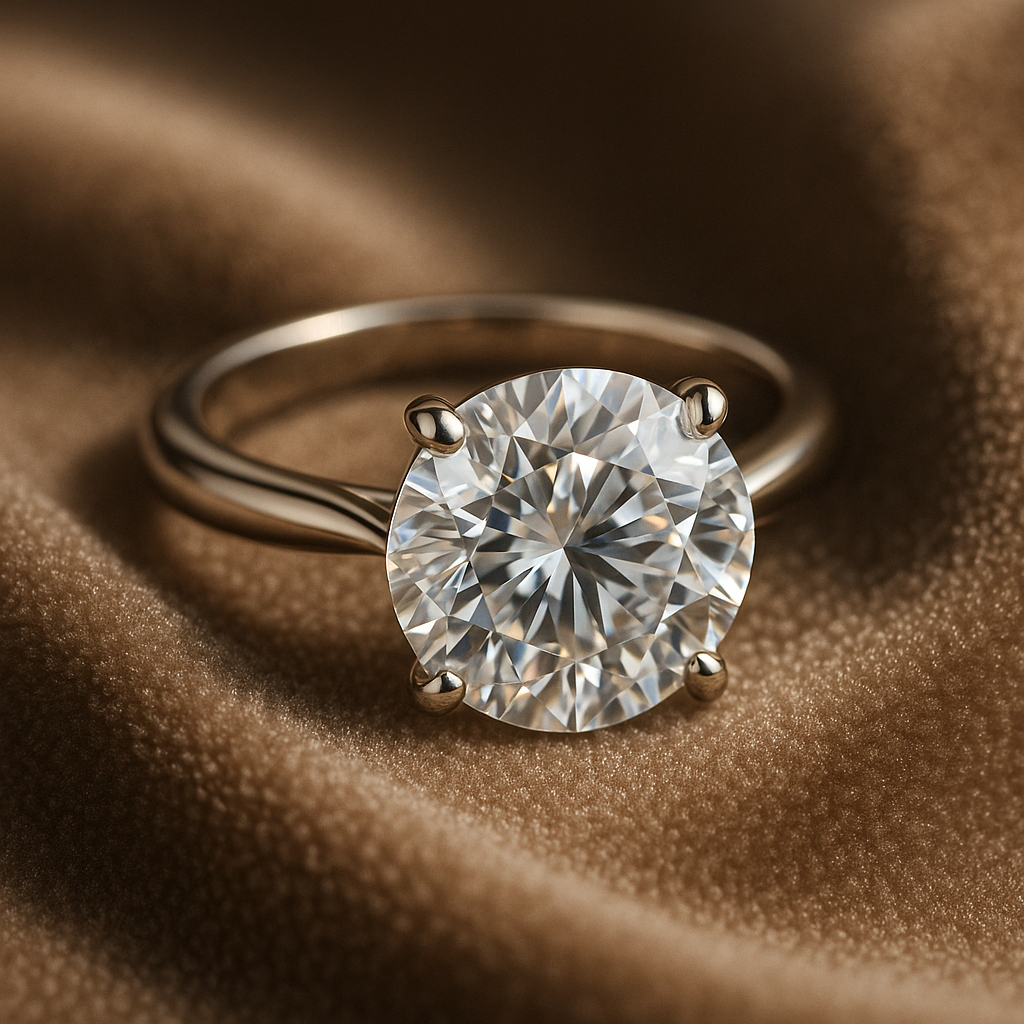
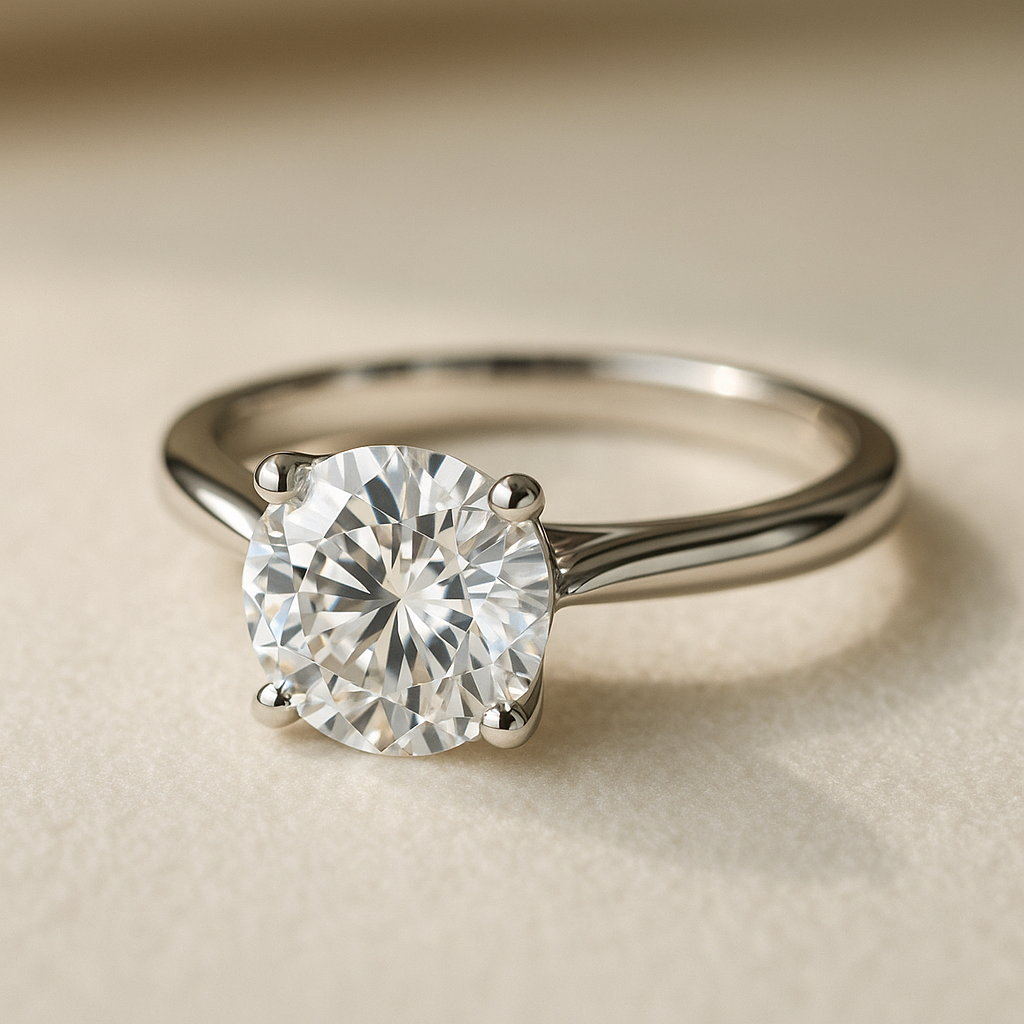
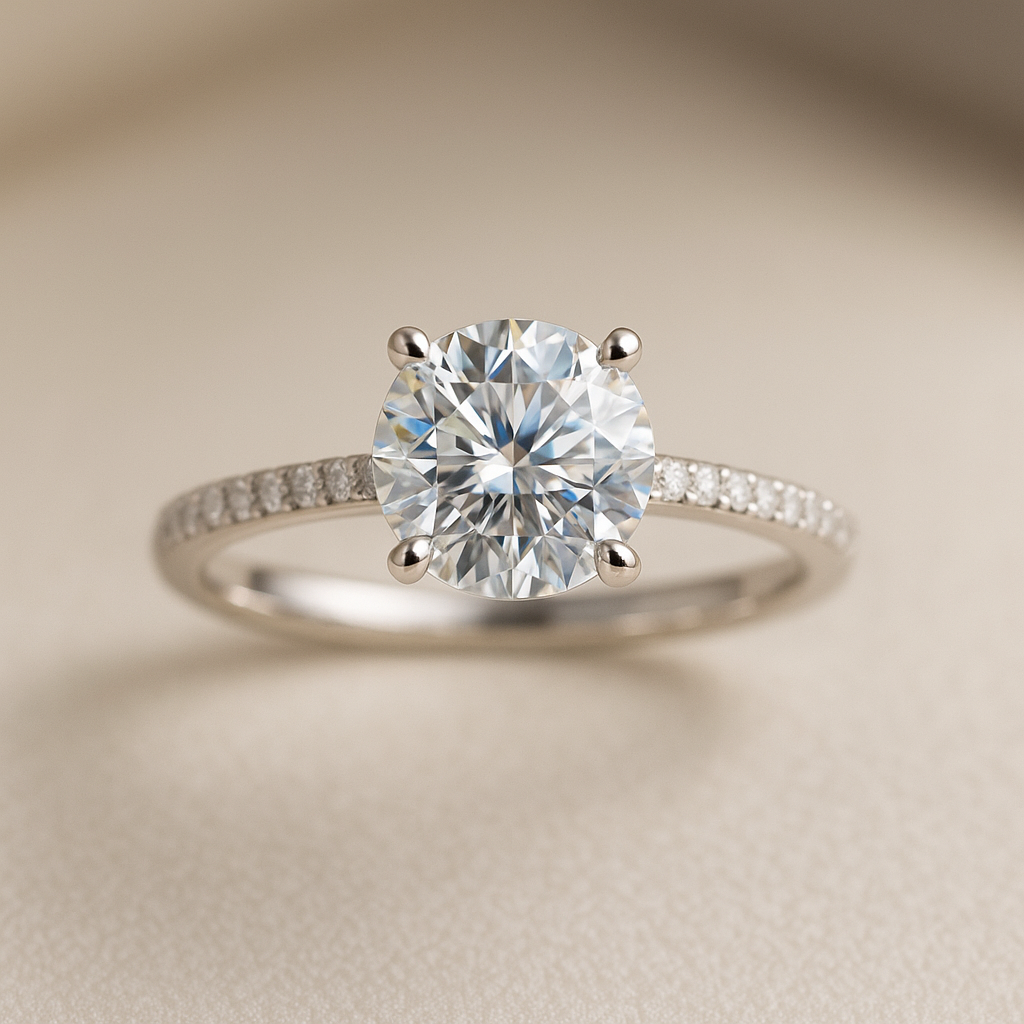
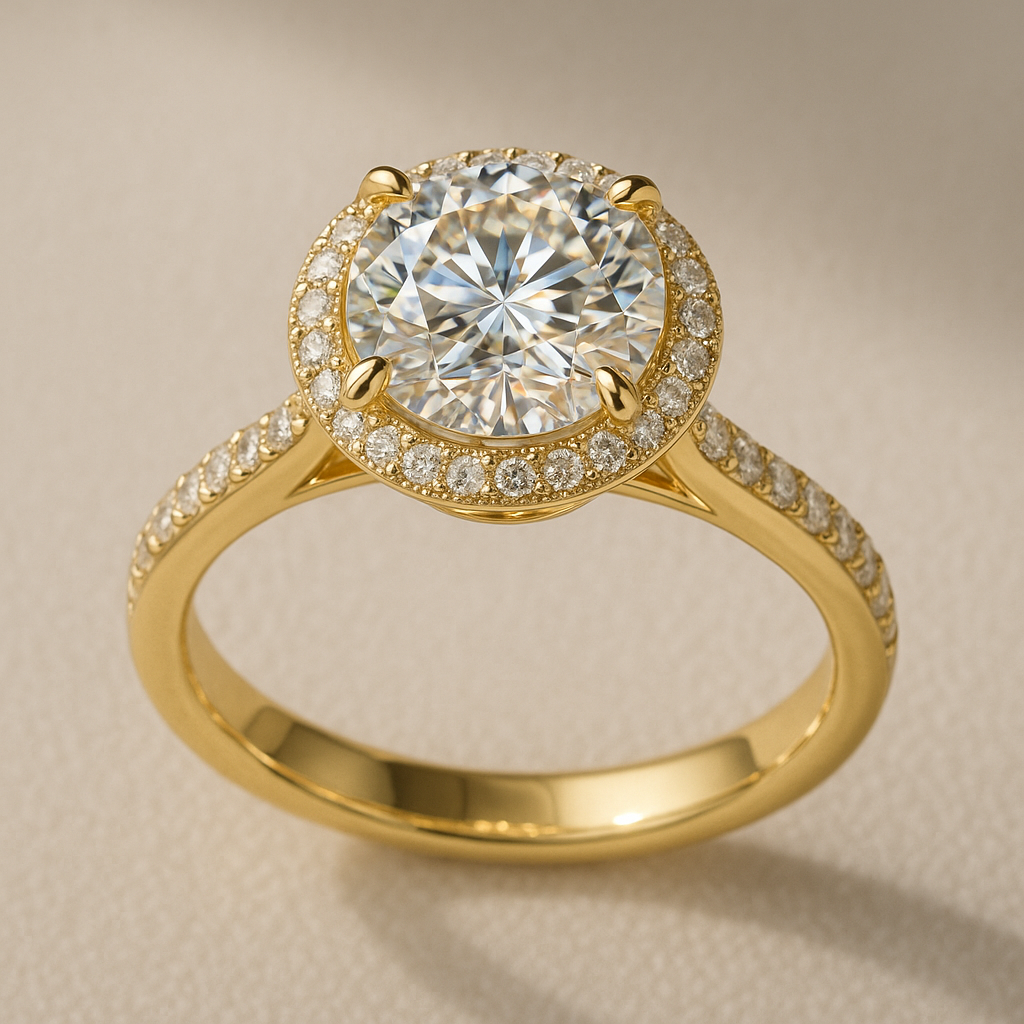
Lab-grown diamonds, also known as synthetic or cultured diamonds, are real diamonds that are produced in a controlled laboratory environment using advanced technology. They possess the same physical, chemical, and optical properties as natural diamonds mined from the earth. In fact, lab-grown diamonds are virtually indistinguishable from their natural counterparts to the naked eye.
The Process of Creating Lab-Grown Diamonds
Lab-grown diamonds are created using two main techniques:
- High Pressure High Temperature (HPHT): This method simulates the extreme conditions under which natural diamonds are formed, utilizing high pressure and high temperature to crystallize carbon into diamond.
- Chemical Vapor Deposition (CVD): CVD involves using a carbon-rich gas, such as methane, which is broken down into carbon atoms. These atoms then bond to create diamond crystals on a substrate.
Both methods yield high-quality diamonds that can be graded and certified by gemological laboratories, ensuring their authenticity and quality.
Why Choose Lab-Grown Diamonds?
There are several compelling reasons to consider lab-grown diamonds for your engagement ring or fine jewelry:
1. Ethical and Sustainable Choice
Lab-grown diamonds are a responsible choice for environmentally-conscious consumers. They do not contribute to the ethical concerns surrounding mining practices, including environmental degradation and human rights violations. By choosing a lab-grown diamond, you are opting for a conflict-free gemstone that aligns with sustainable practices.
2. Cost-Effective
Lab-grown diamonds are typically 20-40% less expensive than natural diamonds of equivalent size and quality. This significant cost saving allows consumers to invest in larger or higher-quality diamonds without breaking the bank. It also opens up opportunities to explore unique styles and settings.
3. Quality and Variety
Since lab-grown diamonds can be produced in a controlled environment, they often exhibit fewer inclusions and more consistent color than natural diamonds. This means that shoppers can find a wider variety of colors and sizes to suit their preferences. Additionally, many lab-grown diamonds come with certification from reputable gemological laboratories, ensuring their quality and authenticity.
Comparing Lab-Grown Diamonds and Natural Diamonds
When it comes to choosing between lab-grown and natural diamonds, it’s important to understand the key differences:
1. Origin
Natural diamonds are formed over billions of years deep within the Earth through natural geological processes, while lab-grown diamonds are created in a matter of weeks in a lab. This difference in origin may influence some consumers’ perceptions of value.
2. Value Retention
Natural diamonds tend to retain their value better than lab-grown diamonds because of their rarity and the historical significance associated with them. However, market trends are evolving, and lab-grown diamonds are gaining acceptance, which may influence future value retention.
3. Resale Potential
Due to the relatively lower demand and perception of lab-grown diamonds, their resale value may be less than that of natural diamonds. If resale is a priority for you, it’s essential to consider this aspect when making your decision.
Frequently Asked Questions (FAQ)
1. Are lab-grown diamonds real diamonds?
Yes, lab-grown diamonds are real diamonds. They have the same physical, chemical, and optical properties as natural diamonds.
2. How can I tell the difference between a lab-grown diamond and a natural diamond?
The only way to tell the difference is through advanced testing done by a certified gemologist, as they require specialized equipment to detect subtle differences.
3. Do lab-grown diamonds have resale value?
Lab-grown diamonds generally have a lower resale value compared to natural diamonds. However, their popularity is rising, and resale values may improve over time.
4. Are lab-grown diamonds more eco-friendly?
Yes, lab-grown diamonds have a lower environmental impact compared to mined diamonds, as they do not involve land disruption or the extensive water use associated with mining.
5. Can I get a lab-grown diamond in any shape or size?
Yes, lab-grown diamonds are available in various shapes and sizes, providing shoppers with a wide range of options to choose from.
Conclusion
Lab-grown diamonds represent a modern alternative to traditional diamonds, offering consumers a blend of beauty, ethical considerations, and cost-effectiveness. When shopping for engagement rings or fine jewelry, consider the advantages of lab-grown diamonds and how they align with your values and preferences. At Celebrity Diamonds, we are committed to providing you with the highest quality lab-grown diamonds that meet your desires and requirements.