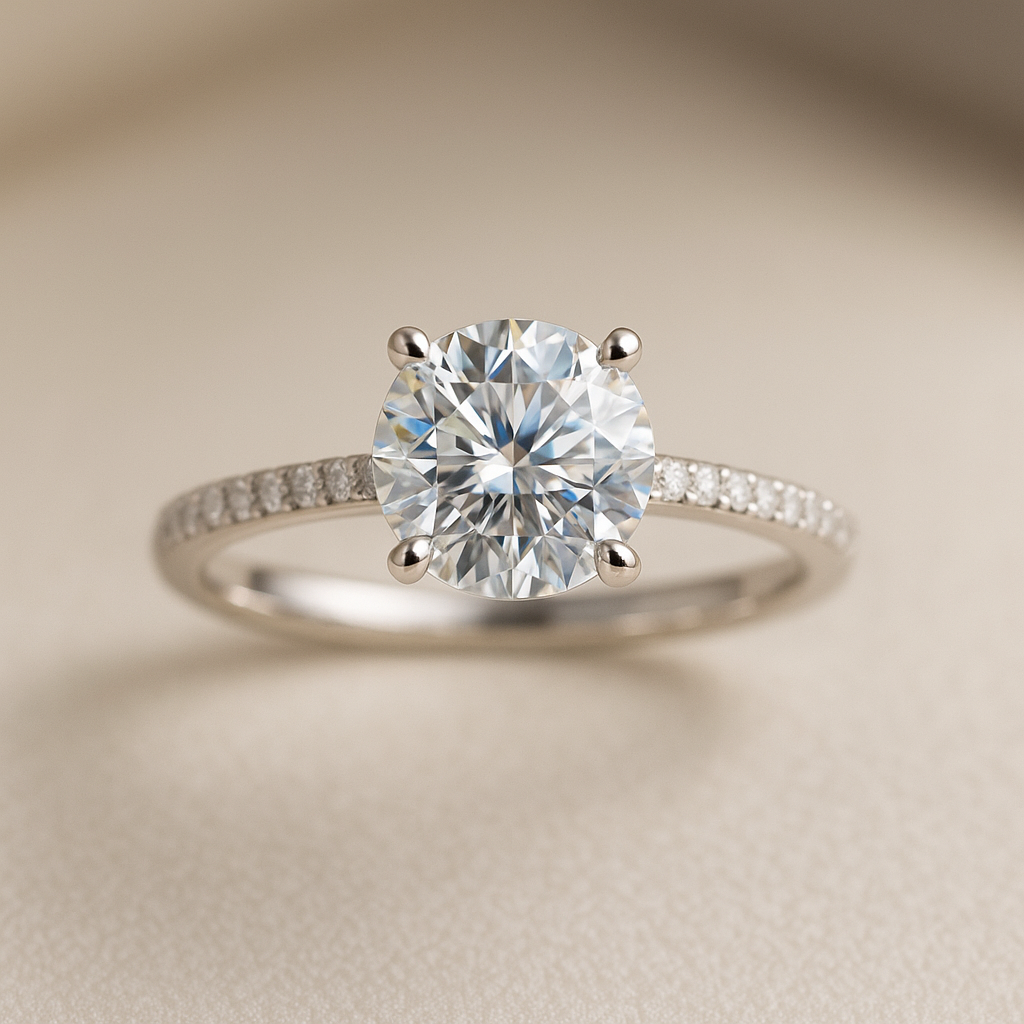
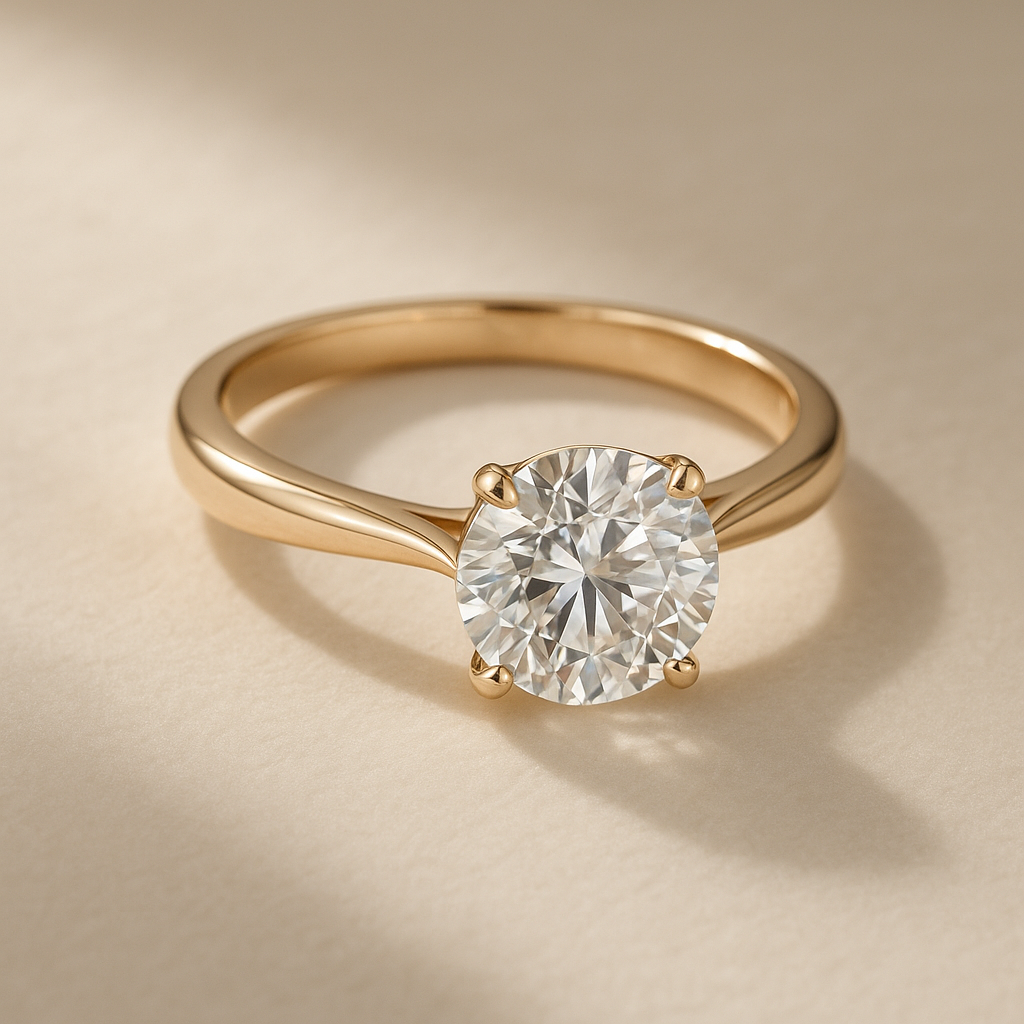
Understanding Lab-Grown Diamonds: A Modern Choice for Engagement Rings
As the diamond industry evolves, consumers are increasingly turning to lab-grown diamonds as a viable and ethical alternative to natural diamonds. This comprehensive guide will explore what lab-grown diamonds are, how they compare to natural diamonds, and why they might be the perfect choice for your engagement ring.
What Are Lab-Grown Diamonds?
Lab-grown diamonds, also known as synthetic or cultured diamonds, are created in controlled laboratory environments using advanced technological processes. These diamonds are chemically, physically, and optically identical to natural diamonds, which form over millions of years beneath the Earth’s surface.
The Process of Creating Lab-Grown Diamonds
There are two primary methods used to create lab-grown diamonds: High Pressure High Temperature (HPHT) and Chemical Vapor Deposition (CVD).
- High Pressure High Temperature (HPHT): This method mimics the natural diamond formation process by applying high pressure and temperature to carbon. The result is a diamond that can take on the same characteristics as a natural diamond.
- Chemical Vapor Deposition (CVD): In this technique, a carbon source is placed in a vacuum chamber, and gas is introduced. The gas breaks down, allowing carbon atoms to deposit on a substrate, gradually forming a diamond.
Lab-Grown Diamonds vs. Natural Diamonds
When comparing lab-grown diamonds to natural ones, it’s essential to consider various factors such as cost, environmental impact, and ethical implications.
Cost Comparison
Lab-grown diamonds typically cost 20-40% less than their natural counterparts of similar size and quality. This price difference allows consumers to purchase larger or higher-quality stones while staying within their budget.
Environmental Impact
Natural diamond mining can have significant environmental consequences, including habitat destruction and carbon emissions. In contrast, lab-grown diamonds have a much smaller ecological footprint, making them a more sustainable option for eco-conscious consumers.
Ethical Considerations
The diamond industry has faced scrutiny over unethical mining practices, including conflict diamonds. Lab-grown diamonds offer a guaranteed ethical alternative, as they are created in controlled environments free from human rights violations.
Why Choose Lab-Grown Diamonds for Your Engagement Ring?
Choosing a lab-grown diamond for your engagement ring comes with a range of benefits:
- Quality and Variety: Lab-grown diamonds are available in a wide variety of shapes, sizes, and qualities, allowing you to find the perfect stone that matches your vision.
- Transparency: Reputable retailers provide certification for lab-grown diamonds, ensuring you receive a quality product. You can easily access information about the diamond’s origin and characteristics.
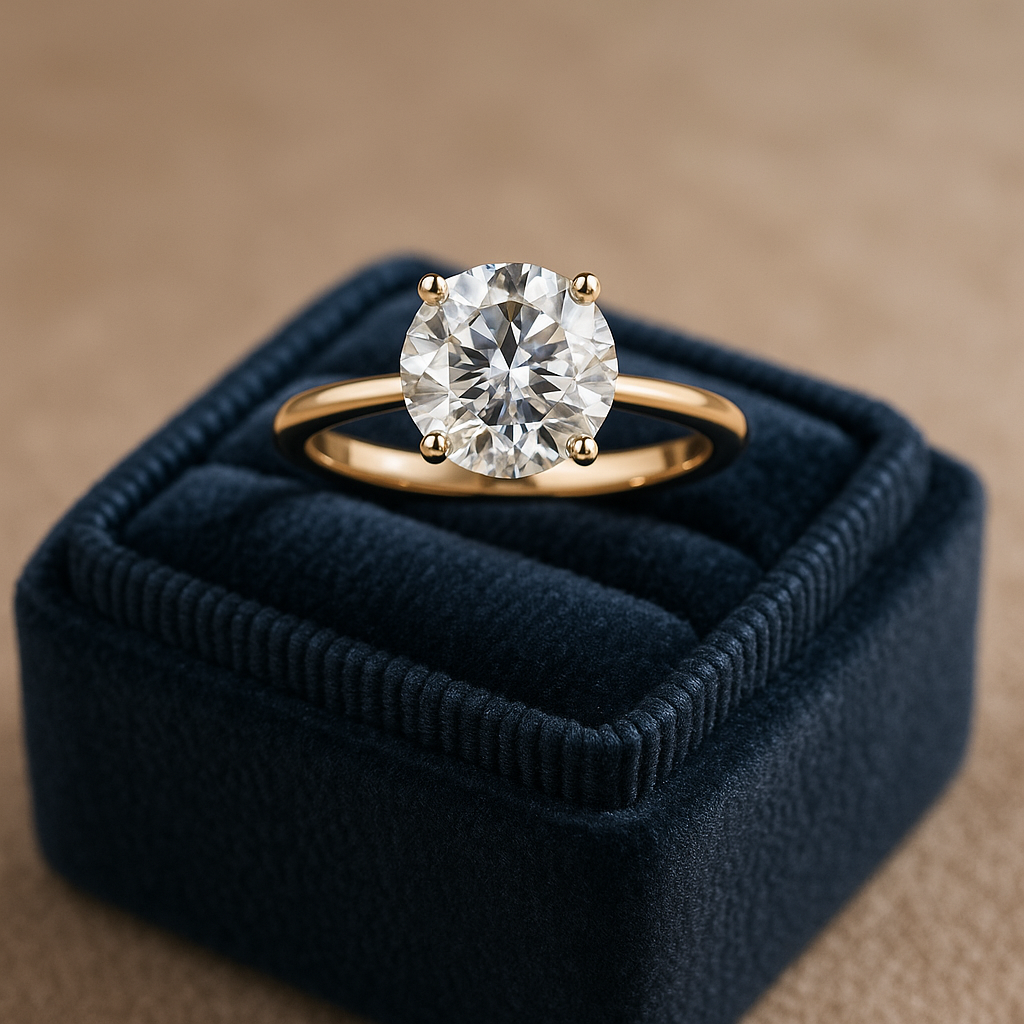
- Customization: Many jewelers offer customization options for lab-grown diamond engagement rings, allowing you to create a unique piece that reflects your personal style.
Common Misconceptions About Lab-Grown Diamonds
Despite their growing popularity, several misconceptions about lab-grown diamonds persist:
- Misconception #1: Lab-Grown Diamonds Are Fake. In reality, lab-grown diamonds are real diamonds. They share the same chemical composition and physical properties as natural diamonds.
- Misconception #2: Lab-Grown Diamonds Lack Value. While lab-grown diamonds generally cost less, they still hold value and can be resold. Their resale value may be lower than that of natural diamonds, but that doesn’t negate their worth.
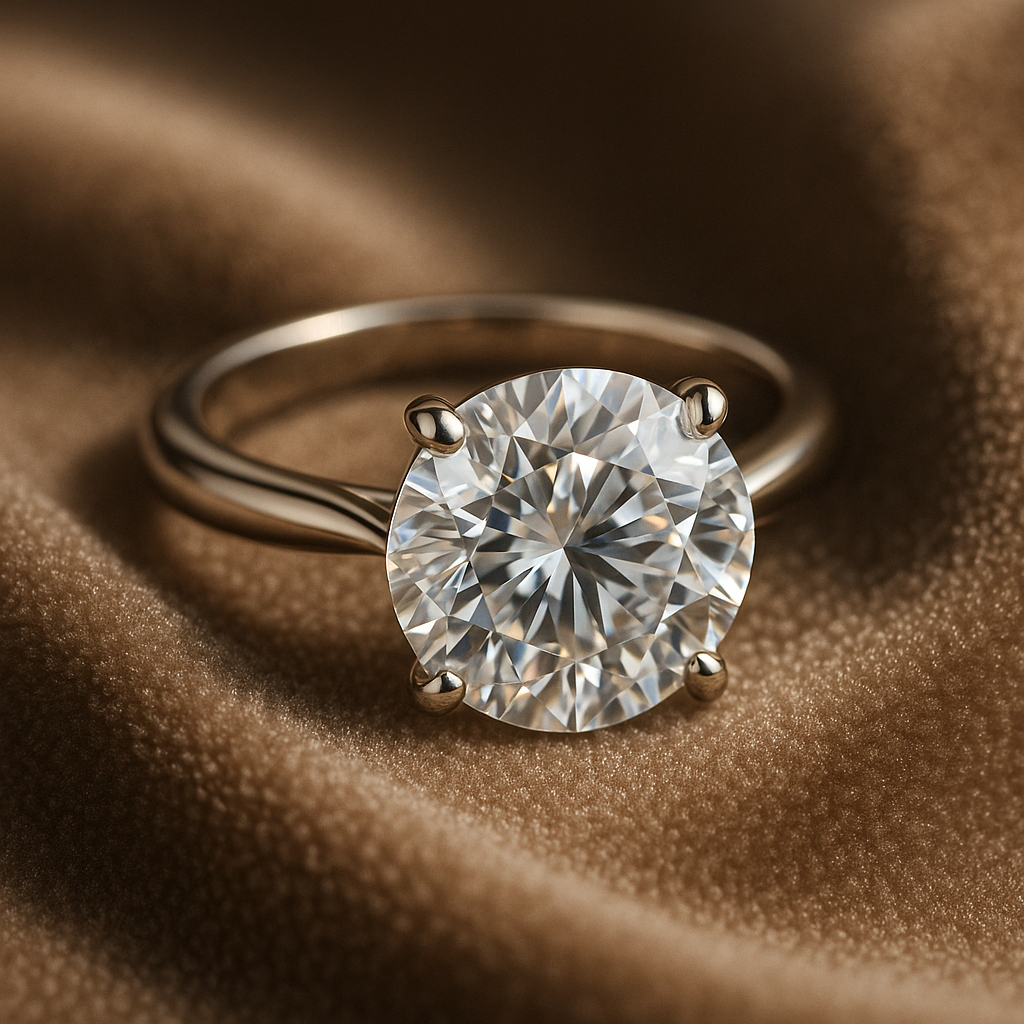
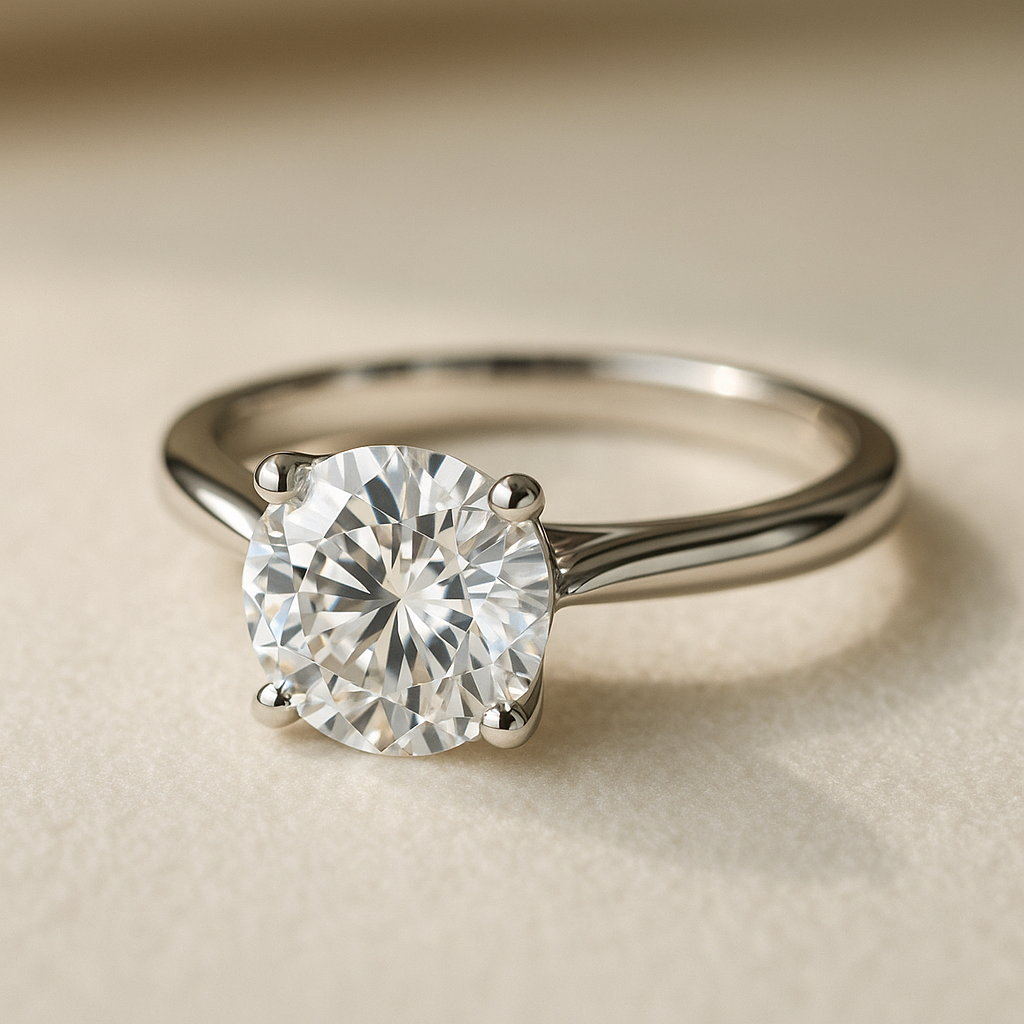
- Misconception #3: Lab-Grown Diamonds Are Not as Beautiful. The beauty of a diamond comes from its cut, clarity, color, and carat weight. Lab-grown diamonds can achieve the same quality and beauty as natural diamonds.
FAQ About Lab-Grown Diamonds
Are lab-grown diamonds more ethical than natural diamonds?
Yes, lab-grown diamonds are considered more ethical as they do not involve mining practices that exploit workers or the environment.
How can I tell if a diamond is lab-grown or natural?
Lab-grown diamonds can be identified through specific characteristics visible only under a microscope or through advanced gemological testing.
Will my lab-grown diamond last as long as a natural diamond?
Absolutely! Lab-grown diamonds are just as durable and will last a lifetime, just like natural diamonds.
Conclusion: The Future of Diamonds
As more consumers seek ethical and sustainable options, lab-grown diamonds are becoming a preferred choice for engagement rings and fine jewelry. They offer the same beauty and quality as natural diamonds, often at a more accessible price point. Considering a lab-grown diamond is not just a modern choice; it’s a decision rooted in responsibility and transparency, ensuring you can celebrate love and commitment with a clear conscience.